
সাজনা (MORINGA OLEIFERA)
ORIGIN
সাজনা is native to:
Northern India
The Himalayan foothills
Bangladesh region
Pakistan
Nepal
It later spread throughout Africa, Southeast Asia, and tropical regions globally.
TAXONOMY
Kingdom: Plantae
Order: Brassicales
Family: Moringaceae
Genus: Moringa
Species: Moringa oleifera
EVOLUTION
সাজনা evolved in semi-arid, drought-prone areas, which shaped several features:
Deep root system
Ability to grow with very little water
Leaves rich in nutrients for survival
Rapid growth to outcompete other plants
It has been cultivated for thousands of years for food, medicine, and oil.
DESCRIPTION
Plant Characteristics
Type: Fast-growing, deciduous tree
Height: 6–12 meters
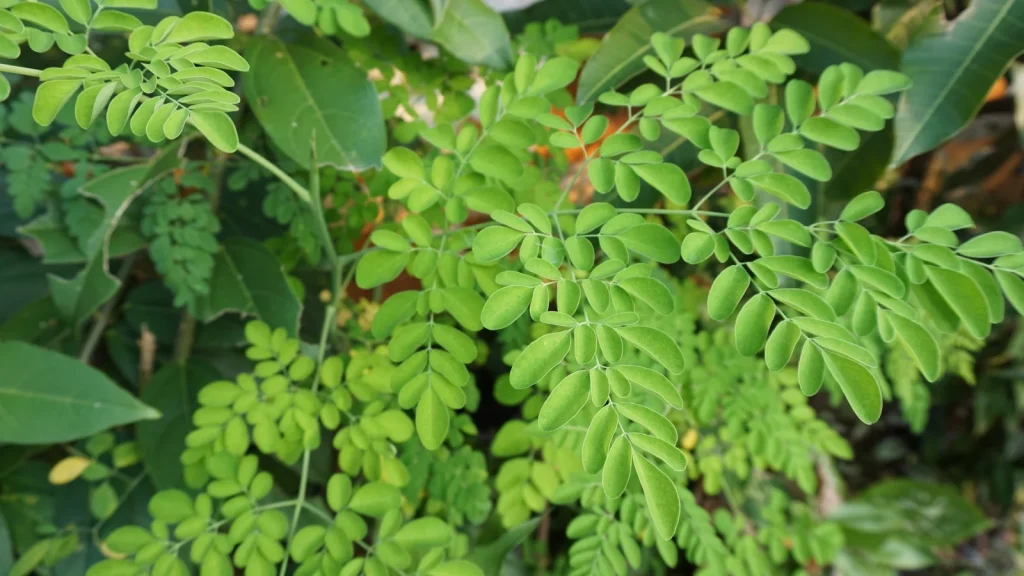
Leaves: Pinnate, small leaflets, rich green
Flowers: Creamy white, fragrant
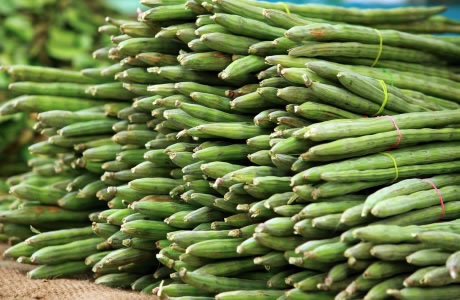
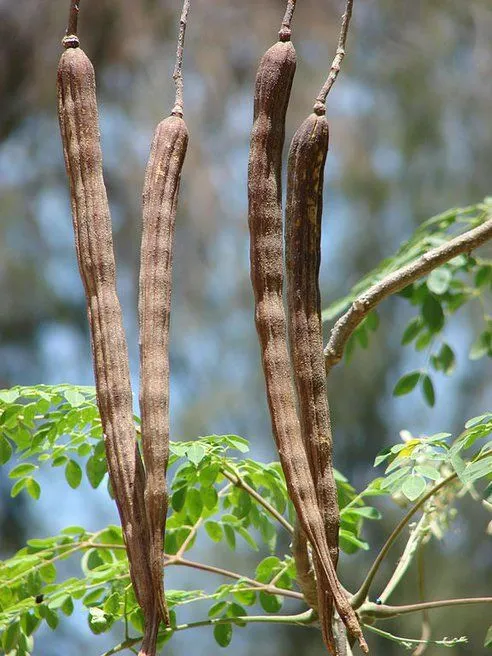
Fruits: Long, slender pods called “drumsticks”
Seeds: Winged, oil-rich
Leaves and pods are the most consumed parts.
ECOLOGY
সাজনা tolerates:
High temperatures
Low rainfall
Poor, sandy soils
Ecological Importance
Useful in reforestation and soil restoration
Leaves enrich soil when decomposed
Seeds purify water (clarifying and antimicrobial)
Supports biodiversity by attracting bees and insects
CULTIVATION
Propagation
Seeds (very easy)
Stem cuttings for faster growth
Growing Conditions
Sunlight: Full sun
Soil: Light, well-drained
Water: Low to moderate
Temperature: 25–35°C
Harvest:
Leaves: every 30–45 days
Pods: seasonal (winter–spring)
It grows extremely fast—up to 3 meters in the first year.
TRADITIONAL USES
Culinary Uses
Leaves used as vegetables, soups, stir-fries
Pods (drumsticks) used in curries (e.g., sambar)
Seeds roasted and eaten like peas
Flowers made into fritters
Household Uses
Seeds used for water purification
Oil (“Ben oil”) used for cooking, skin care, and lamps
Cultural Uses
Considered a symbol of health and vitality in many Asian cultures
MEDICINAL USES
সাজনা is valued for its exceptional medicinal and nutritional benefits.
Key Properties
Antioxidant
Anti-inflammatory
Antidiabetic
Antimicrobial
Nutrient-rich
Anti-anemic
Hepatoprotective
Cardio-protective
Common Therapeutic Uses
Malnutrition (superfood rich in vitamins & minerals)
Diabetes (helps lower blood sugar)
High blood pressure
Digestive issues
Anemia
Joint pain & inflammation
Liver disorders
Immunity boosting
Lactation enhancement (galactagogue)
Parts Used
Leaves
Pods
Seeds
Flowers
Bark
Root (used cautiously)
Leaves contain:
Vitamin A, B, C
High calcium, iron, potassium
Essential amino acids
Beta-carotene
Polyphenols
RESEARCH
Major Active Compounds
Quercetin
Chlorogenic acid
Kaempferol
Moringinine
Glucosinolates
Omega-3 fatty acids
Scientific Findings
Antidiabetic effects – improves insulin sensitivity
Antioxidant activity – prevents cell damage
Anti-inflammatory effects – useful in arthritis
Antimicrobial – works against bacteria and fungi
Cholesterol-lowering effects
Supports liver function
Nutritional powerhouse – combats malnutrition
সাজনা is extensively studied for functional foods and phytomedicine.
BIOLOGY
Life Cycle
Seed → Seedling → Rapid growth → Mature tree → Flowering → Pod formation
Physiology
Stores nutrients in leaves for growth survival
Seeds contain oil with high oxidative stability
Deep roots enable drought resistance
TOXICITY
সাজনা is generally very safe, but:
Precautions
Root and bark contain alkaloids that may be toxic in large doses
Excess leaf powder may cause:
Stomach upset
Gas
Diarrhea
Pregnant women should avoid root and bark (uterine stimulant effect)
Leaves and pods are safe for all ages.
CONCLUSION
সাজনা (Moringa oleifera) is one of the world’s most valuable plants, known for its nutritional richness, medicinal versatility, ecological benefits, and ease of cultivation. It serves as food, medicine, water purifier, and a sustainable agriculture resource. Modern science increasingly confirms the traditional wisdom of using Moringa as a superfood and natural medicine.
Moringa truly deserves its title as the “Miracle Tree.”