
হলুদ (CURCUMA LONGA)
ORIGIN
হলুদ Turmeric is native to:
The Indian subcontinent
Bangladesh region
Southern China
Southeast Asia
It has been cultivated for over 4,000 years and is deeply rooted in Ayurveda.
TAXONOMY
Kingdom: Plantae
Order: Zingiberales
Family: Zingiberaceae
Genus: Curcuma
Species: Curcuma longa
হলুদ Turmeric is closely related to ginger (Zingiber officinale).
EVOLUTION
Turmeric evolved in warm, humid tropical forests:
Developed rhizomes rich in curcuminoids to protect against infections
Produced bright yellow pigments to deter herbivores
Evolved thick underground stems to survive seasonal changes
Selective cultivation by humans enhanced its color and medicinal potency.
DESCRIPTION
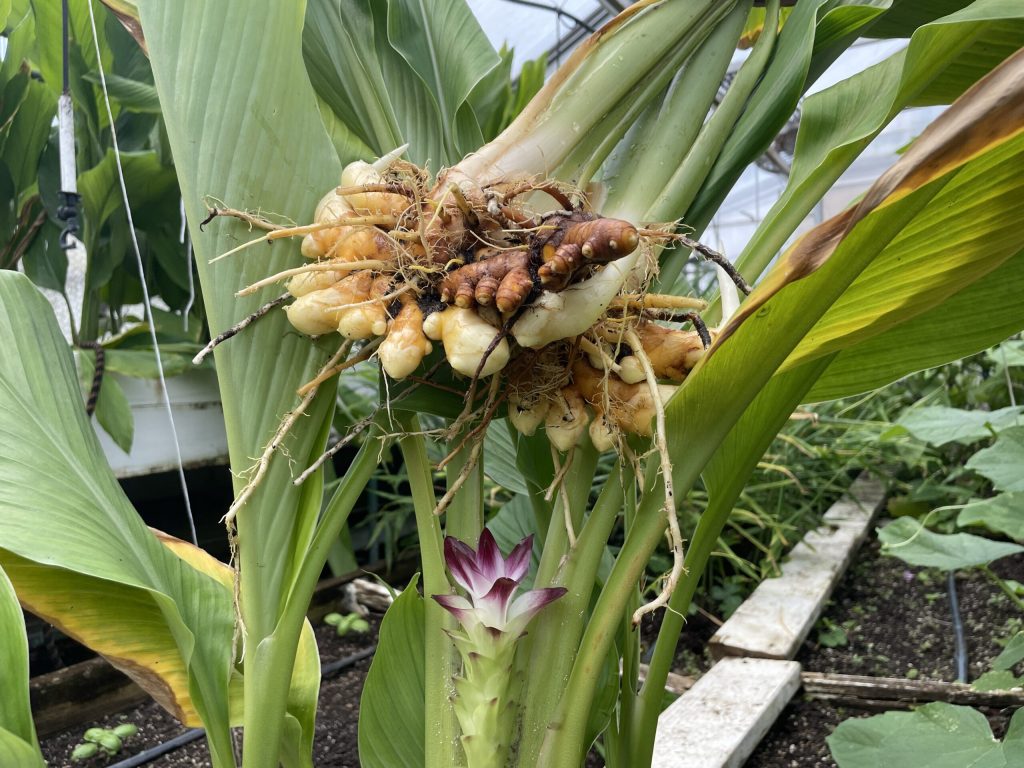
Plant Characteristics
Type: Perennial herb
Height: 1–1.2 meters
Leaves: Large, oblong, bright green
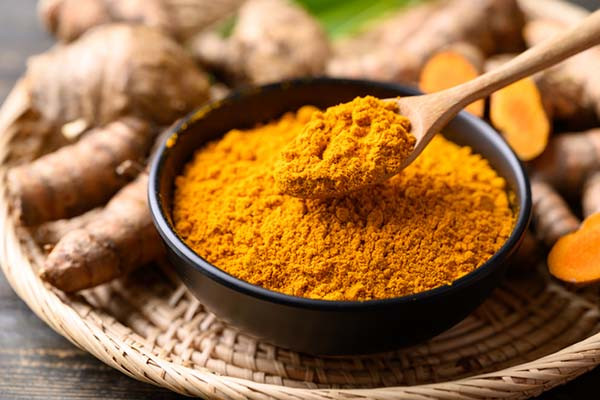
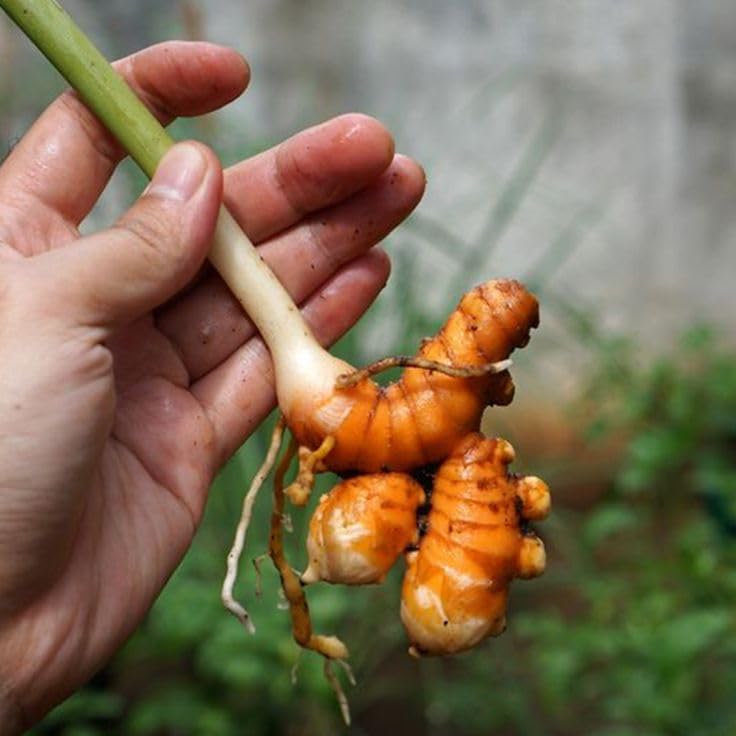
Rhizome: Orange-yellow, aromatic, the main medicinal part
Flowers: Pale yellow or white, arranged in conical inflorescence
Fresh rhizomes are boiled, dried, and ground into turmeric powder.
ECOLOGY
হলুদ thrives in:
Tropical climates with heavy rainfall
Warm temperatures
Fertile, well-drained soils
Ecological Features
Requires moist soil for rhizome development
Improves soil biodiversity
Grows well under partial shade
CULTIVATION
Propagation
By rhizome pieces called “seed rhizomes”
Growing Conditions
Soil: Loamy, rich in organic matter
Water: Constant moisture; avoid stagnant water
Temperature: 20–30°C
Sunlight: Partial shade to full sun
Harvest
7–10 months after planting
Rhizomes are dug up, cleaned, boiled, dried, and polished
TRADITIONAL USES
Culinary
Spice in curries, rice, soups, pickles
Used as natural food colorant
Turmeric milk (“haldi doodh” / “golden milk”)
Cultural & Ritual Uses
Used in weddings and religious ceremonies
Used as dye for fabrics
Applied on skin for brightness
Household Uses
Natural antiseptic
Stain-removing and color-dyeing agent
MEDICINAL USES
Turmeric is highly valued in Ayurveda, Siddha, and Traditional Chinese Medicine.
Key Properties
Anti-inflammatory
Antioxidant
Anticarcinogenic
Antimicrobial
Hepatoprotective
Digestive stimulant
Wound-healing
Immunomodulatory
Common Therapeutic Uses
Arthritis & joint pain
Digestive disorders (gas, bloating, indigestion)
Liver detoxification
Wound healing
Skin conditions (eczema, acne)
Cough & cold
Boosting immunity
Controlling cholesterol
Supporting heart health
Parts Used
Rhizome (fresh or dried)
Powder
Oil & extracts
Curcumin supplements
RESEARCH
Major Active Compounds
Curcumin (primary active)
Demethoxycurcumin
Bisdemethoxycurcumin
Turmerone
Essential oils
Scientific Findings
Powerful anti-inflammatory similar to some NSAIDs
Strong antioxidant protects against oxidative stress
Potential anticancer effects (lab studies)
Improves joint pain (osteoarthritis, rheumatoid arthritis)
Supports brain health (neuroprotective)
Improves digestion and gut microbiome
Balances cholesterol and blood sugar
Antimicrobial—effective against bacteria, fungi & viruses
Curcumin absorption increases when combined with black pepper (piperine) or healthy fats.
BIOLOGY
Life Cycle
Rhizome → Shoot → Leaf growth → Flowering → Rhizome multiplication → Dormancy
Physiology
Rhizomes store curcuminoids and essential oils
Leaves gather sunlight to expand rhizome growth
Triggers dormancy during dry season
TOXICITY
Turmeric is generally very safe, but:
Possible Side Effects
Stomach upset (high doses)
Gallbladder irritation
Mild diarrhea
Precautions
Avoid high doses during:
Gallstones
GERD
Pregnancy (excess inside may stimulate uterus)
May interact with:
Blood-thinning drugs
Diabetes medication
Normal culinary use is completely safe.
CONCLUSION
হলুদ (Curcuma longa) is one of the most important medicinal spices in the world. Its active compound curcumin provides powerful anti-inflammatory, antioxidant, and healing benefits. Turmeric plays a major role in traditional medicine, modern health research, and global cuisine. Its versatility, safety, and effectiveness make it one of nature’s finest healing herbs.