
কালোজিরা (NIGELLA SATIVA)

ORIGIN
Nigella sativa is believed to have originated in Southwest Asia, particularly the Middle East, with early cultivation in regions spanning:
Mediterranean basin
North Africa
South Asia (India, Bangladesh, Pakistan)
Archaeological evidence shows its use in Ancient Egypt, where black seeds were found in Tutankhamun’s tomb, indicating its importance over 3,000 years ago.
TAXONOMY
Kingdom: Plantae
Clade: Angiosperms
Clade: Eudicots
Order: Ranunculales
Family: Ranunculaceae
Genus: Nigella
Species: Nigella sativa L.
EVOLUTION
The genus Nigella evolved within the Ranunculaceae family, one of the oldest angiosperm lineages.
Adapted to arid and semi-arid climates
Developed aromatic secondary metabolites (e.g., thymoquinone) as chemical defense against herbivores and pathogens
Seed dispersal and oil-rich endosperm supported survival in harsh environments
DESCRIPTION
Plant type: Annual herb
Height: 20–60 cm
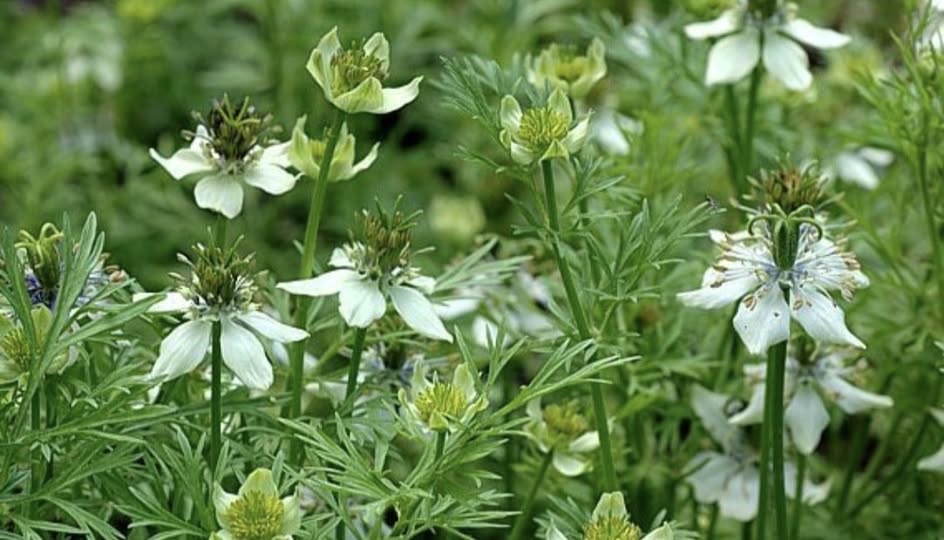
Leaves: Finely divided, linear, feathery
Flowers: Pale blue, white, or light purple with 5–10 petals
Fruit: Inflated capsule with multiple compartments
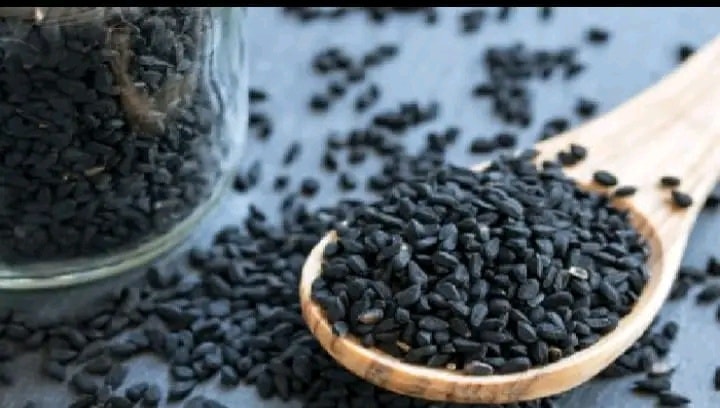
Seeds: Small, black, angular, aromatic
The seeds contain volatile oils, responsible for the strong aroma and medicinal properties.
ECOLOGY
Climate: Warm temperate to subtropical
Soil: Well-drained, loamy to sandy soil
Sunlight: Full sun
Rainfall: Moderate (200–400 mm)
Nigella sativa is drought-tolerant and thrives in low-input agricultural systems.
CULTIVATION
Propagation: Seeds
Sowing time: Winter or early spring
Spacing: 20–30 cm
Harvesting: 120–150 days after sowing, when capsules turn brown
Minimal fertilizer is required; excessive nitrogen reduces oil quality.
TRADITIONAL USES
Ayurvedic Medicine
Digestive aid
Respiratory disorders
Skin diseases
Unani Medicine
Liver tonic
Immune booster
Aphrodisiac
Islamic Tradition
Prophet Muhammad (ﷺ) stated:
“Black seed is a cure for every disease except death.”
MEDICINAL USES
Modern and traditional medicine attribute the following benefits:
Major Therapeutic Effects
Anti-inflammatory
Antioxidant
Antimicrobial
Antidiabetic
Antihypertensive
Immunomodulatory
Used For
Asthma
Diabetes mellitus
Hypertension
Arthritis
Digestive disorders
Skin conditions (eczema, acne)
RESEARCH
Key Bioactive Compounds
Thymoquinone (TQ) – main active compound
Thymohydroquinone
Nigellone
Alkaloids (nigellicine, nigellimine)
Essential fatty acids
Scientific Findings
TQ shows anticancer activity in vitro and in animal models
Neuroprotective effects against oxidative stress
Promising results in metabolic syndrome and immune regulation
Clinical trials are ongoing, but many findings are preclinical.
BIOLOGY
Reproductive system: Self-pollinating, insect-assisted
Chromosome number: 2n = 12
Life cycle: Annual
Seed dormancy: Minimal
Oil content in seeds ranges from 30–40%, depending on genotype and environment.
TOXICITY
Nigella sativa is generally safe at dietary doses.
Possible Side Effects (High Doses)
Gastric irritation
Hypotension
Hypoglycemia
Liver or kidney stress (rare, excessive use)
Contraindications
Pregnancy (high doses may stimulate uterine contraction)
Concurrent use with antihypertensive or antidiabetic drugs (monitoring needed)
CONCLUSION
Nigella sativa (Kalojira) is a medicinally valuable plant with deep historical roots and strong scientific interest.
Its broad spectrum of pharmacological activities—driven mainly by thymoquinone—makes it a promising functional food and complementary medicine.
However:
It should not replace conventional treatment
Standardized dosing and more clinical trials are required