University of Science and Technology Chittagong (USTC)
USTC Pharmacy Medicinal Garden
আমলকি (PHYLLANTHUS EMBLICA)
ORIGIN
Amla (Phyllanthus emblica) is native to the Indian subcontinent, including India, Bangladesh, Nepal, Sri Lanka, Myanmar, and parts of Southeast Asia. It has been used for thousands of years in Ayurvedic medicine, where it is regarded as a powerful “Rasayana” (rejuvenating herb).
TAXONOMY
Kingdom: Plantae
Division: Angiosperms
Class: Eudicots
Order: Malpighiales
Family: Phyllanthaceae
Genus:Phyllanthus
Species:Phyllanthus emblica L. Synonym:Emblica officinalis
EVOLUTION
Amla belongs to the Phyllanthaceae family.
Adapted to seasonal tropical and subtropical climates
Evolution of high vitamin C stability, protected by tannins
Development of polyphenols and antioxidants as defense mechanisms
DESCRIPTION
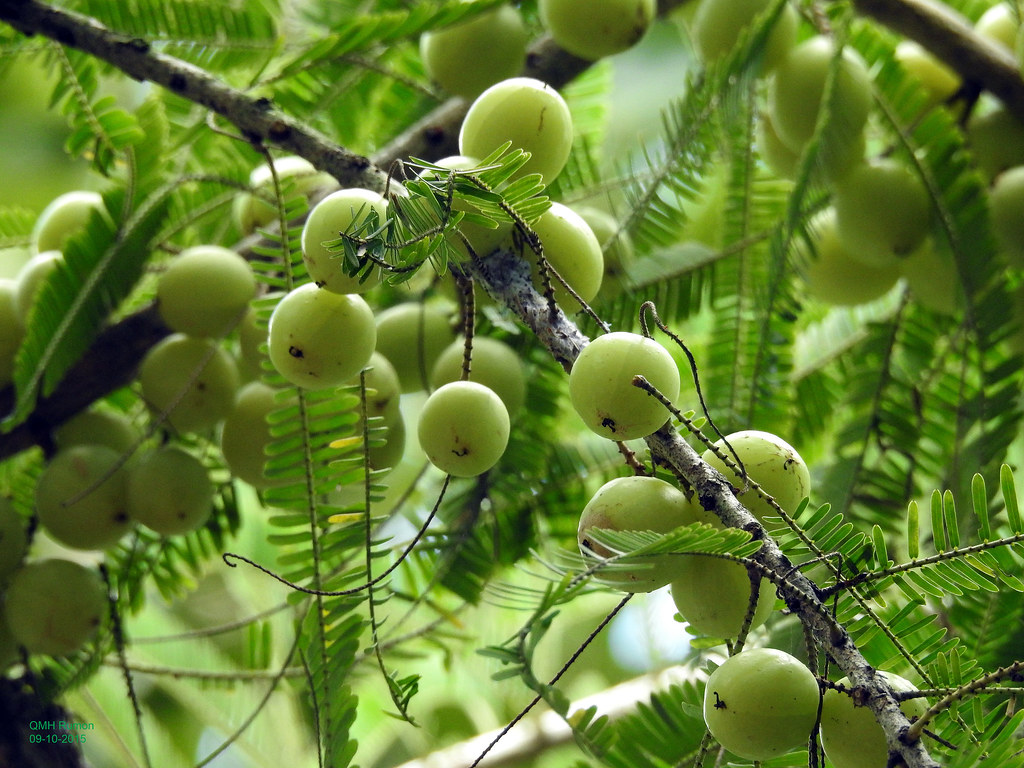
Plant type: Medium-sized deciduous tree
Height: 8–18 meters
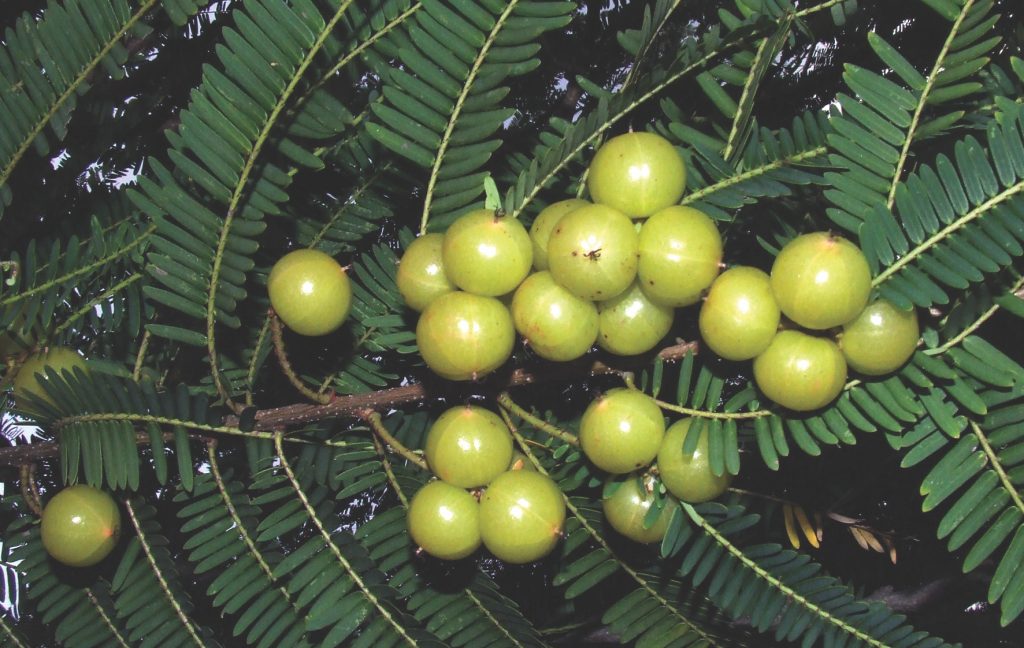
Leaves: Small, narrow, densely arranged along branchlets
Flowers: Greenish-yellow, unisexual
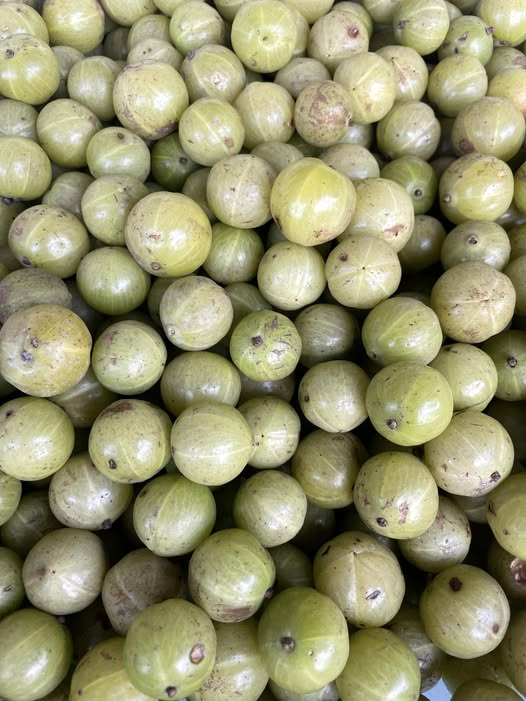
Fruit: Round, smooth, light green to yellow berry
Taste: Sour and astringent
Seeds: Hard, segmented stone inside the fruit
ECOLOGY
Climate: Tropical to subtropical
Soil: Sandy loam to medium clay
Rainfall: 600–1500 mm annually
Sunlight: Full sun
Amla is drought-tolerant and can grow in marginal soils.
CULTIVATION
Propagation: Seeds, budding, grafting
Planting season: Monsoon
Time to fruiting: 4–6 years
Harvesting: Winter season (November–February)
The tree requires minimal irrigation once established.
TRADITIONAL USES
Ayurveda
Main ingredient of Triphala
Enhances immunity and longevity
Improves digestion and metabolism
Traditional & Folk Medicine
Treatment of cough, cold, and fever
Eye and hair health
Skin disorders
MEDICINAL USES
Fruit
Richest natural source of Vitamin C
Boosts immunity
Helps regulate blood sugar and cholesterol
Improves digestive health
Leaves & Bark
Antimicrobial
Anti-inflammatory
Astringent properties
RESEARCH
Major Bioactive Compounds
Ascorbic acid (Vitamin C)
Gallic acid
Ellagic acid
Emblicanin A and B
Flavonoids and tannins
Scientific Evidence
Strong antioxidant activity
Antidiabetic and cardioprotective effects
Neuroprotective and anti-aging potential
Many findings are supported by animal and in-vitro studies, with growing clinical evidence.
BIOLOGY
Pollination: Insects
Chromosome number: 2n = 14
Life cycle: Perennial
Fruiting: Once per year
TOXICITY
Amla is generally safe for regular dietary consumption.
Precautions
Excess intake may cause gastric acidity in sensitive individuals
Diabetic patients should monitor blood glucose levels
Excess medicinal use during pregnancy should be avoided
CONCLUSION
Amla (Phyllanthus emblica) is a highly nutritious and medicinal fruit tree with deep roots in traditional medicine and strong scientific support. Its antioxidant, immunomodulatory, and metabolic benefits make it an important functional food and complementary therapy. However, it should not replace conventional medical treatment.