
তেজপাতা (CINNAMOMUM TAMALA)

ORIGIN
Cinnamomum tamala is native to the Indian subcontinent, particularly the Himalayan foothills of India, Nepal, Bhutan, and Bangladesh. It naturally grows in subtropical forests and has been cultivated for centuries as a culinary and medicinal plant.
TAXONOMY
Kingdom: Plantae
Clade: Angiosperms → Magnoliids
Order: Laurales
Family: Lauraceae
Genus: Cinnamomum
Species: Cinnamomum tamala (Buch.-Ham.) T. Nees & Eberm.
It belongs to the same genus as true cinnamon (Cinnamomum verum).
EVOLUTION
Cinnamomum tamala evolved within the Lauraceae family, developing aromatic leaves rich in essential oils as a defense against herbivores and pathogens. These aromatic compounds also help reduce water loss and provide ecological advantages in forest environments.
DESCRIPTION
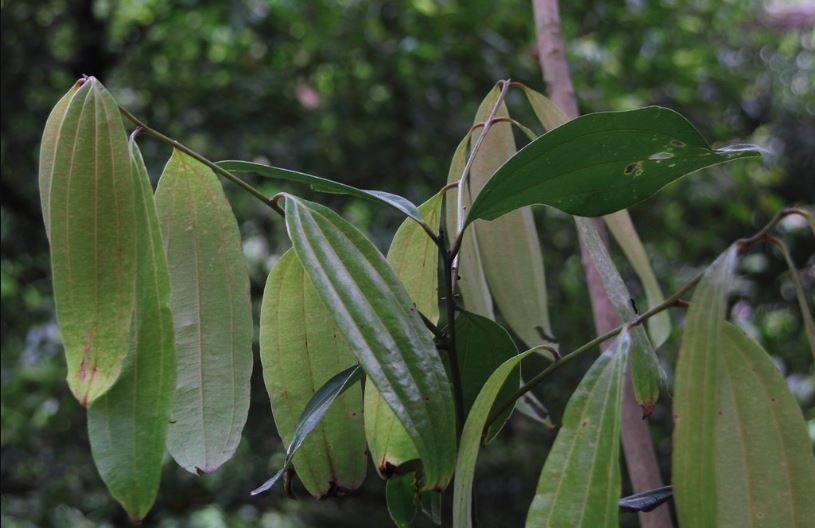
Cinnamomum tamala is an evergreen medium-sized tree, usually growing 8–15 meters tall.
Bark: Smooth, brown to gray
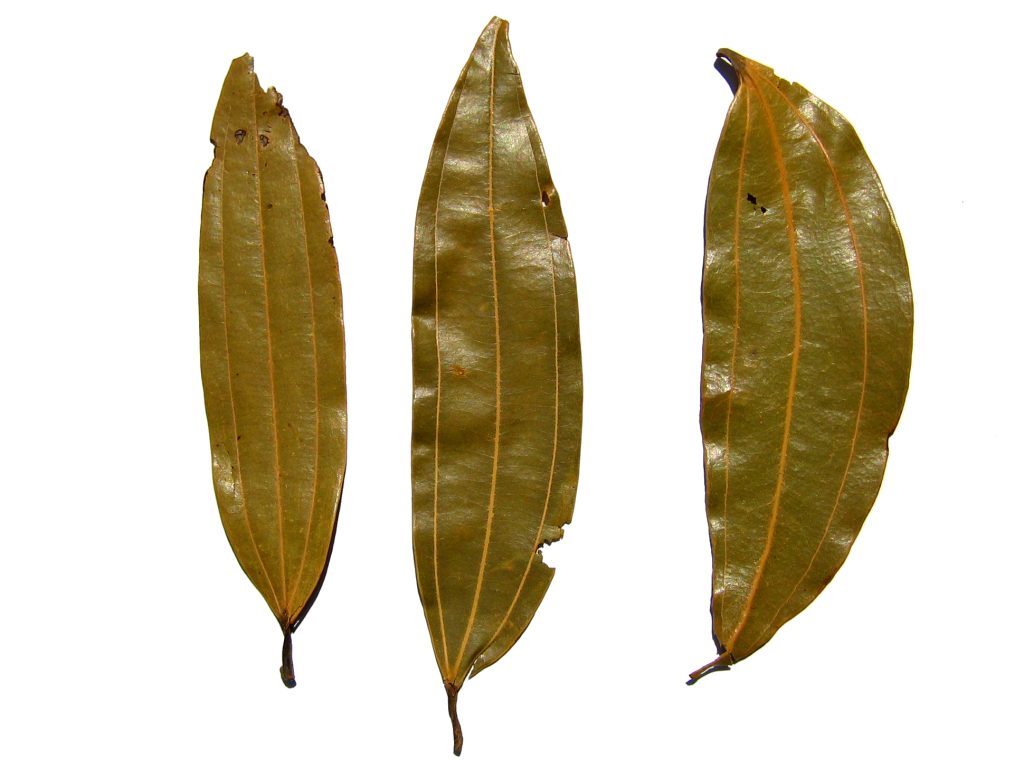
Leaves: Lanceolate, leathery, aromatic, with three prominent veins
Flowers: Small, greenish-white, arranged in panicles
Fruit: Small, dark purple to black berry
The dried leaves are commonly used as a spice known as Tejpat.
ECOLOGY
The plant thrives in subtropical forest ecosystems.
Prefers moderate rainfall and partial shade
Pollinated by insects
Fruits dispersed by birds
Contributes to forest biodiversity and soil stability
CULTIVATION
Cinnamomum tamala is cultivated mainly for its leaves.
Propagation: Seeds
Climate: Subtropical to tropical
Soil: Well-drained loamy soil
Harvesting: Leaves collected and shade-dried
Plants begin leaf harvest within a few years of growth.
TRADITIONAL USES
Traditionally, Tejpat is used for:
Flavoring rice, curries, meat dishes, and spice blends
Herbal teas and digestive formulations
Aromatic use in religious and cultural practices
It is an essential spice in South Asian cuisine.
MEDICINAL USES
In traditional medicine systems (Ayurveda and Unani):
Used as a digestive stimulant and carminative
Helpful in diabetes management
Used for respiratory disorders, cold, and cough
Supports heart health and circulation
RESEARCH
Scientific studies have identified:
Phytochemicals: Essential oils (cinnamaldehyde, eugenol), flavonoids, tannins
Pharmacological activities:
Antioxidant
Antimicrobial
Antidiabetic
Anti-inflammatory
Hypolipidemic
Most evidence comes from in vitro and animal studies, with growing interest in functional food research.
BIOLOGY
Life form: Evergreen tree
Reproduction: Sexual reproduction via seeds
Leaf physiology: High essential oil content
Adaptation: Shade tolerance and aromatic defense
TOXICITY
Cinnamomum tamala is safe when used as a culinary spice.
Excessive medicinal doses may cause gastric irritation
Essential oil should not be consumed undiluted
Safe for long-term dietary use in normal amounts
CONCLUSION
Cinnamomum tamala (Tejpat) is an important culinary and medicinal plant with strong cultural, economic, and therapeutic value. Its traditional uses as a digestive and metabolic aid are increasingly supported by scientific research. With proper cultivation and moderate use, Tejpat remains a valuable spice and medicinal resource in South Asia.