
দারুচিনি (CINNAMOMUM VERUM)

ORIGIN
Cinnamomum verum is native to Sri Lanka, which is considered the center of origin of true cinnamon. From Sri Lanka, it spread to South India, Southeast Asia, and later to Europe and other parts of the world through ancient trade routes. Today, it is cultivated in many tropical regions.
TAXONOMY
Kingdom: Plantae
Clade: Angiosperms → Magnoliids
Order: Laurales
Family: Lauraceae
Genus: Cinnamomum
Species: Cinnamomum verum J.Presl
It is also known as Cinnamomum zeylanicum (older name).
EVOLUTION
Cinnamomum verum evolved within the Lauraceae family with the development of aromatic bark rich in essential oils. These oils act as chemical defenses against herbivores, fungi, and bacteria, while also helping the plant adapt to warm, humid forest environments.
DESCRIPTION
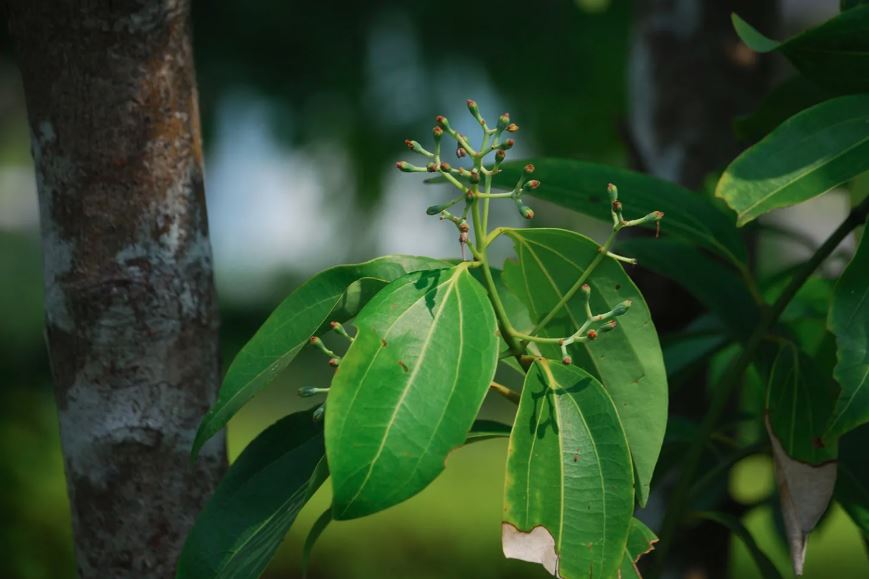
Cinnamomum verum is an evergreen small to medium-sized tree, usually growing 10–15 meters tall.
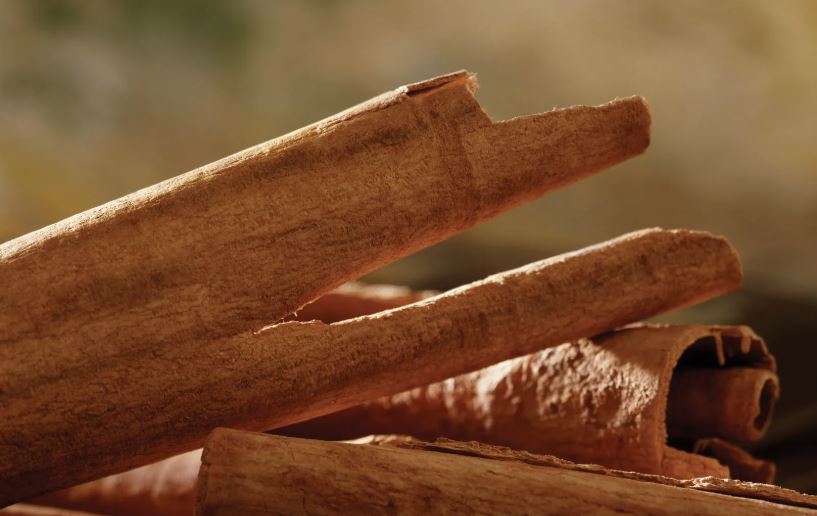
Bark: Thin, smooth, light brown; inner bark forms cinnamon quills when dried
Leaves: Opposite, ovate to lanceolate, leathery, with three main veins
Flowers: Small, yellowish-white, mildly fragrant
Fruit: Dark purple berry (drupe) containing a single seed
The inner bark is the commercially valuable cinnamon spice.
ECOLOGY
The tree naturally grows in tropical evergreen forests.
Prefers warm temperatures and high humidity
Grows best under partial shade
Pollinated by insects
Seeds dispersed mainly by birds
CULTIVATION
Cinnamomum verum is cultivated mainly for its bark.
Propagation: Seeds and cuttings
Climate: Tropical, warm, and humid
Soil: Well-drained sandy or loamy soil
Harvesting: Bark harvested after 2–3 years by coppicing young shoots
Sri Lanka remains the world’s leading producer of true cinnamon.
TRADITIONAL USES
Traditionally, cinnamon has been used for:
Flavoring foods, sweets, beverages, and curries
Food preservation due to its antimicrobial properties
Cultural and religious practices
Traditional herbal formulations across Asia and the Middle East
MEDICINAL USES
In Ayurveda, Unani, and traditional medicine:
Used as a digestive stimulant and carminative
Helps regulate blood sugar levels
Used for cold, cough, and respiratory problems
Supports circulatory and heart health
Acts as a mild antimicrobial and anti-inflammatory agent
RESEARCH
Scientific studies have identified:
Phytochemicals: Cinnamaldehyde, eugenol, cinnamic acid, polyphenols
Pharmacological activities:
Antioxidant
Antidiabetic
Antimicrobial
Anti-inflammatory
Cardioprotective
Neuroprotective (emerging research)
Several studies include animal models and limited human clinical trials, especially in diabetes research.
BIOLOGY
Life form: Evergreen tree
Reproduction: Sexual reproduction via seeds
Growth habit: Coppicing plant with multiple shoots
Physiology: High essential oil production in bark
TOXICITY
Cinnamomum verum is safe when consumed in normal culinary amounts.
Contains very low coumarin levels compared to cassia cinnamon
Excessive medicinal use may cause gastric irritation
Cinnamon essential oil should not be ingested undiluted
CONCLUSION
Cinnamomum verum (True Cinnamon) is one of the most valuable spice plants in the world, prized for its flavor, medicinal properties, and economic importance. Traditional uses are strongly supported by modern research, particularly for metabolic and antimicrobial benefits. With proper cultivation and moderate use, true cinnamon remains a safe and effective natural spice and medicinal resource.