
মহুয়া (MADHUCA LONGIFOLIA)
ORIGIN
Madhuca longifolia is native to the Indian subcontinent, particularly India, Bangladesh, Nepal, and Sri Lanka. It is especially common in dry tropical forests and tribal regions, where it plays an important socio-economic role.
TAXONOMY
Kingdom: Plantae
Clade: Angiosperms → Eudicots
Order: Ericales
Family: Sapotaceae
Genus: Madhuca
Species: Madhuca longifolia (J.Koenig ex L.) J.F.Macbr.
Two main varieties exist: var. longifolia and var. latifolia.
EVOLUTION
Madhuca longifolia evolved as a hardy, drought-tolerant tree, adapting to dry deciduous ecosystems. The development of fleshy, sugar-rich flowers and oil-rich seeds enhanced its reproductive success by attracting animals and humans for pollination and dispersal.
DESCRIPTION
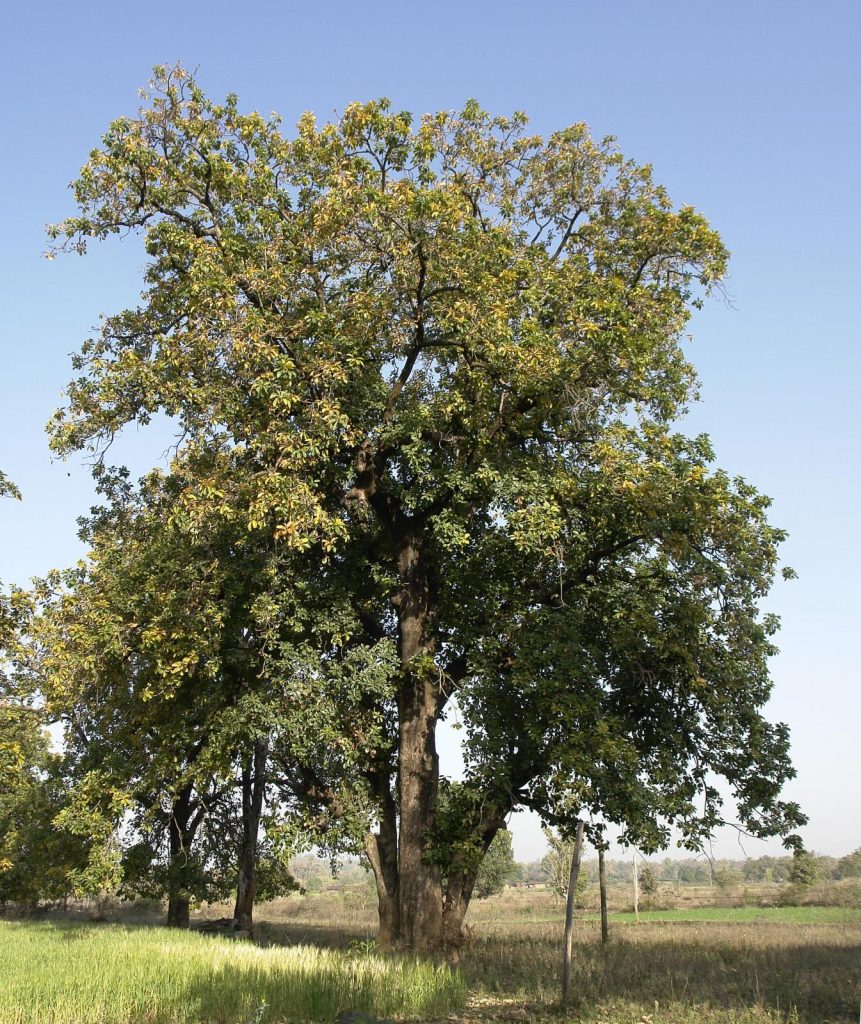
Madhuca longifolia is a large, deciduous tree, growing up to 20–25 meters tall.
Bark: Thick, brownish-grey, rough and cracked
Leaves: Simple, large, leathery, clustered at branch ends
Flowers: Creamy white, fleshy, sweet-scented, rich in sugars
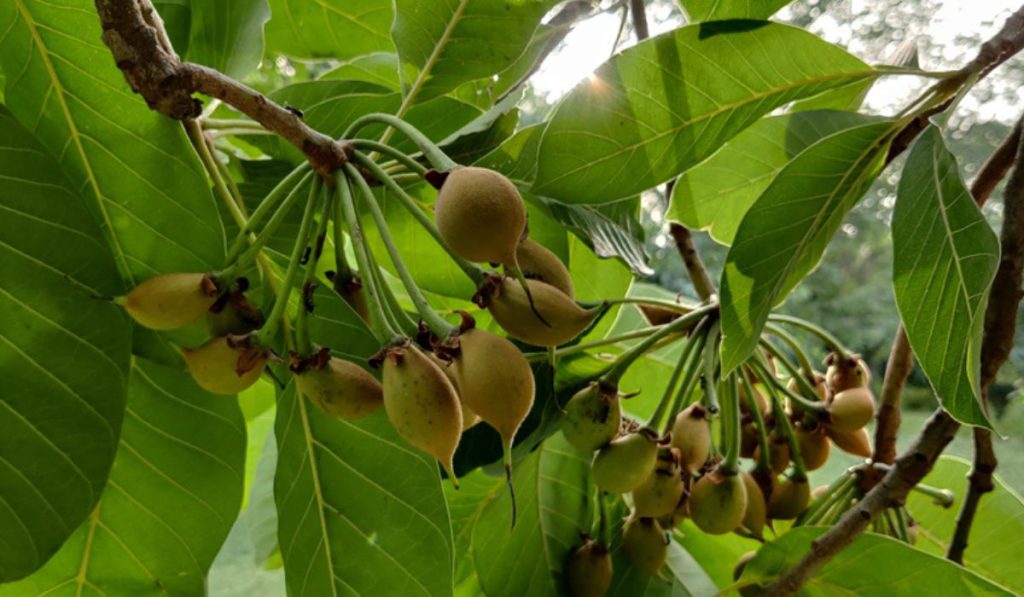
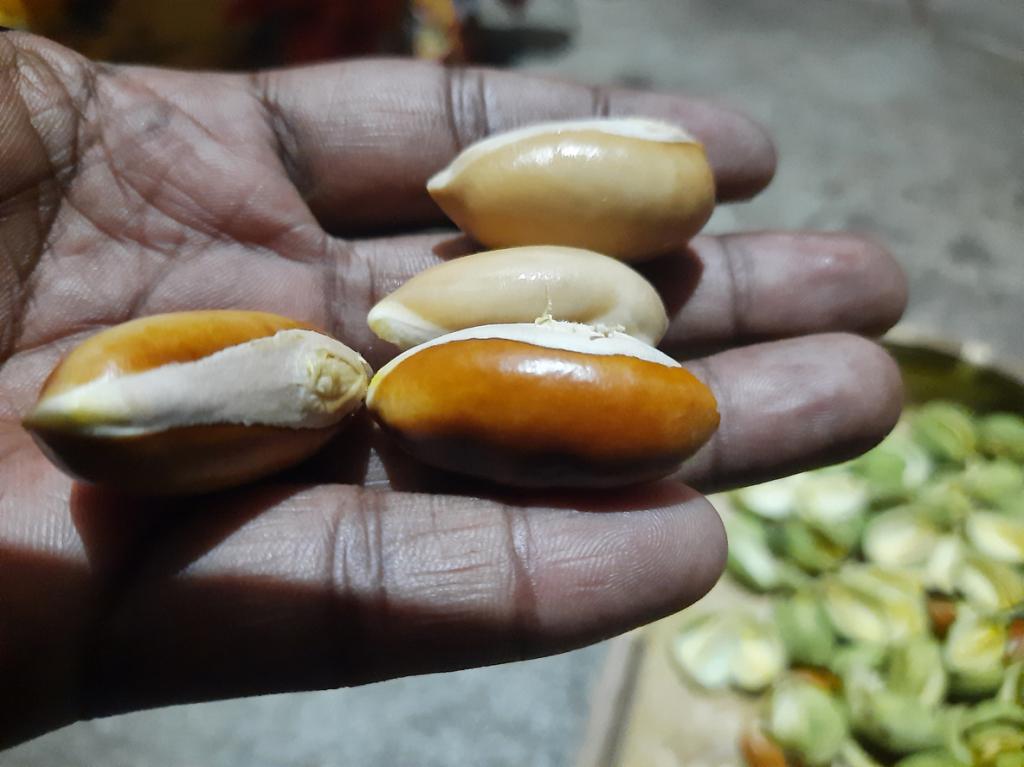
Fruit: Fleshy berry containing 1–4 oil-rich seeds
The flowers and seeds are economically the most valuable parts.
ECOLOGY
The tree thrives in tropical dry and moist deciduous forests.
Highly drought resistant
Pollinated by insects and bats
Fruits and flowers consumed by birds and mammals
Improves soil fertility through leaf litter
It supports both forest biodiversity and rural livelihoods.
CULTIVATION
Madhuca longifolia is commonly grown in agroforestry systems.
Propagation: Seeds
Climate: Tropical to subtropical
Soil: Sandy to loamy, well-drained soils
Water: Low to moderate requirement
The tree requires minimal care once established.
TRADITIONAL USES
Traditionally, Mahua is used for:
Food: Flowers eaten fresh, dried, or fermented
Preparation of traditional alcoholic beverages
Oil extraction for cooking, lamps, soap, and cosmetics
Timber and fuelwood
Cultural and religious rituals among tribal communities
MEDICINAL USES
In traditional medicine:
Flowers used as tonic, cooling agent, and nutritive supplement
Bark used for diabetes, inflammation, and ulcers
Seed oil applied for skin diseases, rheumatism, and wounds
Leaves used for eczema and pain relief
RESEARCH
Scientific studies report:
Phytochemicals: Saponins, flavonoids, triterpenoids, fatty acids
Pharmacological activities:
Antioxidant
Anti-inflammatory
Antidiabetic
Hepatoprotective
Antimicrobial
Research is mostly preclinical, with growing interest in nutraceutical and biofuel applications.
BIOLOGY
Life form: Deciduous tree
Reproduction: Sexual reproduction via seeds
Flowering season: Late winter to early summer
Growth rate: Moderate to slow
The tree can live for several decades.
TOXICITY
Madhuca longifolia is generally safe when traditionally used.
Excessive consumption of fermented flowers may cause intoxication
Raw seed cake is toxic due to saponins (after oil extraction)
Proper processing is essential for medicinal and dietary use
CONCLUSION
Madhuca longifolia (Mahua) is a multipurpose tree of immense ecological, nutritional, medicinal, and economic importance. Deeply integrated into traditional cultures, its benefits are increasingly supported by scientific research. Sustainable cultivation and value-added research can further enhance its role in rural development and natural medicine.