
কদম (NEOLAMARCKIA CADAMBA)
ORIGIN
Neolamarckia cadamba is native to South and Southeast Asia, including India, Bangladesh, Nepal, Sri Lanka, Myanmar, Thailand, Malaysia, Indonesia, and southern China. It naturally occurs in riverbanks, floodplains, and moist tropical forests.
TAXONOMY
Kingdom: Plantae
Clade: Angiosperms → Eudicots
Order: Gentianales
Family: Rubiaceae
Genus: Neolamarckia
Species: Neolamarckia cadamba (Roxb.) Bosser
Formerly known as Anthocephalus cadamba.
EVOLUTION
The Kadamba tree evolved as a fast-growing pioneer species, adapted to colonize open and disturbed habitats. Rapid growth, large leaves, and prolific flowering enhanced its ability to dominate moist lowland ecosystems and compete for sunlight.
DESCRIPTION
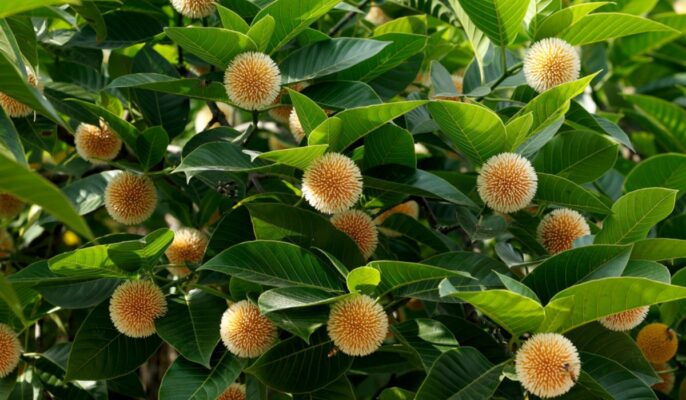
Neolamarckia cadamba is a large, deciduous to semi-evergreen tree, reaching 30–45 meters in height.
Bark: Grey to brown, smooth when young, fissured with age
Leaves: Large, opposite, ovate to elliptic, glossy
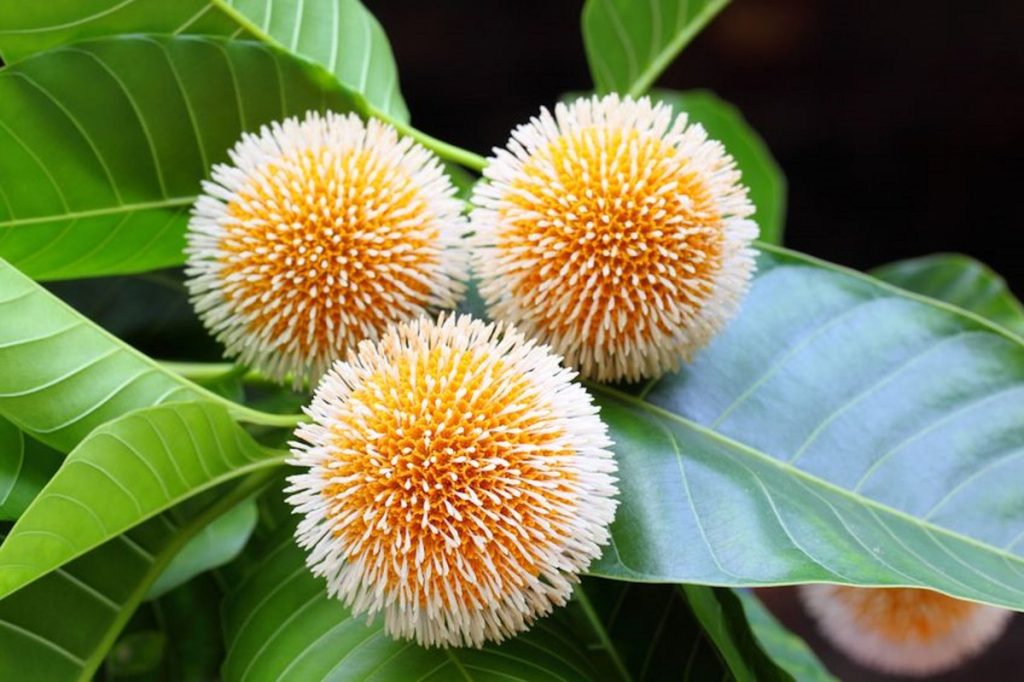
Flowers: Small, orange-yellow, fragrant, arranged in spherical heads
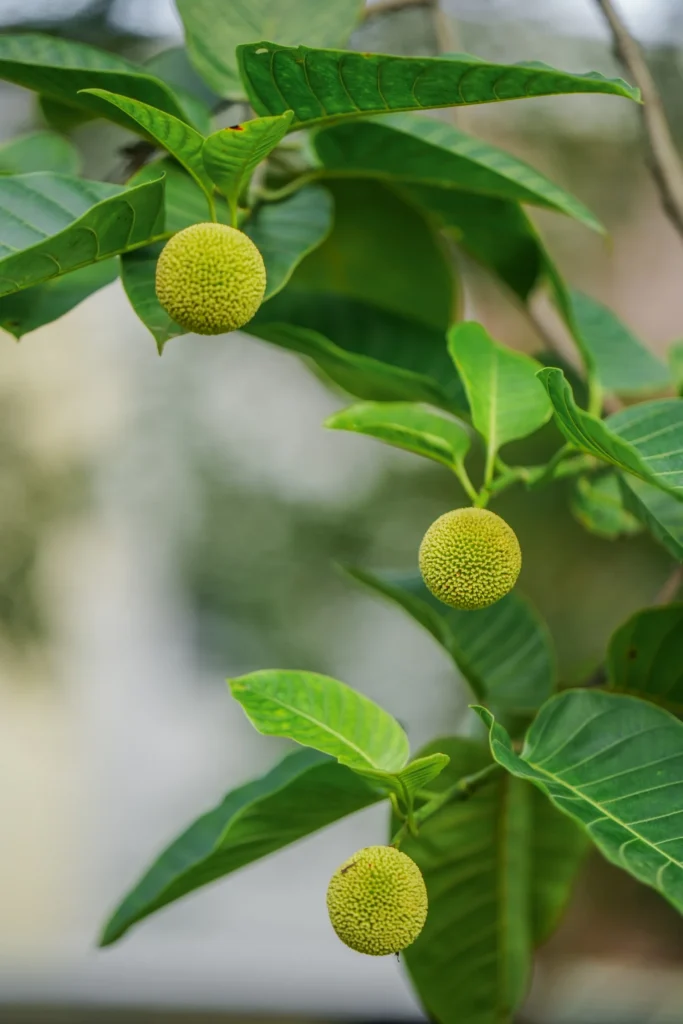
Fruit: Multiple fruit forming a round, spongy structure with many seeds
The flowers are highly attractive to pollinators.
ECOLOGY
The tree thrives in humid tropical and subtropical climates.
Grows well in alluvial and fertile soils
Pollinated mainly by insects
Seeds dispersed by water and animals
Provides shade and habitat for birds and insects
It plays an important role in riparian ecosystems.
CULTIVATION
Kadamba is widely planted for timber and shade.
Propagation: Seeds
Climate: Tropical, warm, and humid
Soil: Deep, well-drained loam or alluvial soil
Water: Moderate to high requirement
It is popular in afforestation and agroforestry programs due to rapid growth.
TRADITIONAL USES
Traditionally, Kadamba is used for:
Religious and cultural significance in Hindu mythology
Timber for plywood, paper pulp, furniture, and boxes
Shade tree along roads and canals
Traditional medicinal preparations
MEDICINAL USES
In traditional medicine:
Bark used for fever, diarrhea, and inflammation
Leaves used for wound healing and skin diseases
Flowers used for cooling and digestive purposes
Root used for urinary and digestive disorders
RESEARCH
Scientific research indicates:
Phytochemicals: Alkaloids (cadambine), flavonoids, triterpenoids, glycosides
Pharmacological activities:
Antioxidant
Anti-inflammatory
Antimicrobial
Antidiabetic
Hepatoprotective
Most studies are preclinical, highlighting potential for drug development.
BIOLOGY
Life form: Large deciduous tree
Reproduction: Sexual reproduction via seeds
Flowering: Summer to monsoon season
Growth rate: Very fast
The tree matures quickly compared to many hardwood species.
TOXICITY
Neolamarckia cadamba is generally safe in traditional medicinal use.
Excessive use may cause gastrointestinal irritation
Long-term medicinal use should be supervised
No major toxicity reported in standard doses
CONCLUSION
Neolamarckia cadamba (Kadamba) is a fast-growing, ecologically important, and culturally significant tree. Its value in timber production, traditional medicine, and ecosystem restoration makes it an essential species for sustainable forestry and rural development.