University of Science and Technology Chittagong (USTC)
USTC Pharmacy Medicinal Garden
চালতা (DILLENIA INDICA)
ORIGIN
Dillenia indica is native to South and Southeast Asia, especially Bangladesh, India, Nepal, Sri Lanka, Myanmar, Thailand, and southern China. It naturally grows in moist forests, riverbanks, and wetlands.
TAXONOMY
Kingdom: Plantae
Clade: Angiosperms → Eudicots
Order: Dilleniales
Family: Dilleniaceae
Genus:Dillenia
Species:Dillenia indica L.
EVOLUTION
Dillenia indica evolved as a moisture-loving forest tree, developing large, hard fruits that resist predation and support seed dispersal by large animals. Its thick leaves and robust structure help it survive in humid tropical environments.
DESCRIPTION
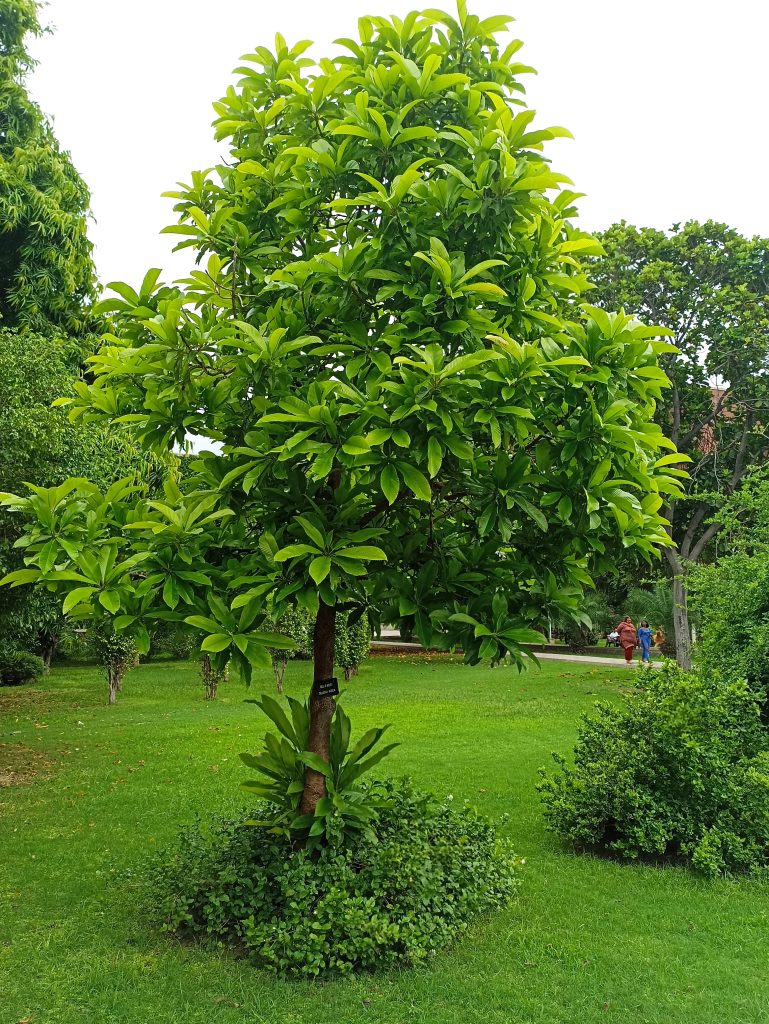
A medium-sized evergreen tree, growing 10–15 meters tall.
Bark: Grey-brown, rough
Leaves: Large, oblong, leathery, serrated margins
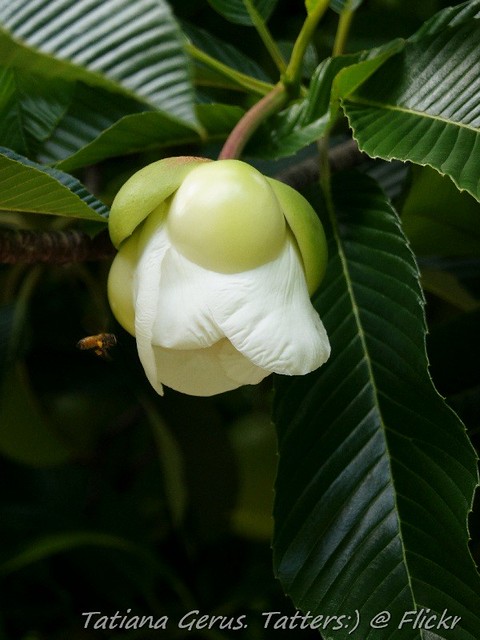
Flowers: Large, white, showy, fragrant
Fruit: Large, green, hard, apple-like with acidic pulp
The fruit is the most distinctive feature of the plant.
ECOLOGY
Thrives in humid tropical and subtropical climates
Prefers moist, fertile, alluvial soils
Pollinated mainly by insects
Fruits eaten by elephants, monkeys, and birds
Important for wetland and forest biodiversity
CULTIVATION
Propagation: Seeds
Climate: Warm, humid tropical
Soil: Moist, well-drained loamy soil
Water: Moderate to high
Often planted in home gardens and village groves.
TRADITIONAL USES
Fruit used in curries, chutneys, pickles, and souring agents
Leaves used as plates and food wrapping
Tree planted near homes for shade
Used in folk and Ayurvedic medicine
MEDICINAL USES
Traditional medicine uses include:
Fruit pulp for digestive disorders and constipation
Research is mainly preclinical, supporting traditional claims.
BIOLOGY
Life form: Evergreen tree
Reproduction: Sexual reproduction via seeds
Flowering: Spring to summer
Growth rate: Moderate
TOXICITY
Dillenia indica is generally safe when used traditionally.
Excess consumption of raw fruit may cause acidity
No serious toxicity reported
Medicinal use should follow traditional dosage
CONCLUSION
Dillenia indica (Chalta / Elephant Apple) is an ecologically important and culturally valued tree, providing food, medicine, and environmental benefits. Traditional uses are increasingly supported by scientific research, highlighting its potential in nutrition, herbal medicine, and conservation-based agriculture.