University of Science and Technology Chittagong (USTC)
USTC Pharmacy Medicinal Garden
কাগজি লেবু (CITRUS AURANTIFOLIA)
ORIGIN
কাগজি লেবুCitrus aurantifolia is believed to have originated in Southeast Asia, particularly the Indo-Malayan region. From there, it spread to South Asia, the Middle East, Africa, and the Americas through ancient trade and human migration.
TAXONOMY
Kingdom: Plantae
Clade: Angiosperms → Eudicots
Order: Sapindales
Family: Rutaceae
Genus:Citrus
Species:Citrus aurantifolia (Christm.) Swingle
It is commonly known as Key lime or Mexican lime.
EVOLUTION
Citrus aurantifolia evolved through natural hybridization and selection within the Citrus group. The development of acidic juice and aromatic oils served as a defense mechanism against herbivores and pathogens while attracting pollinators.
DESCRIPTION
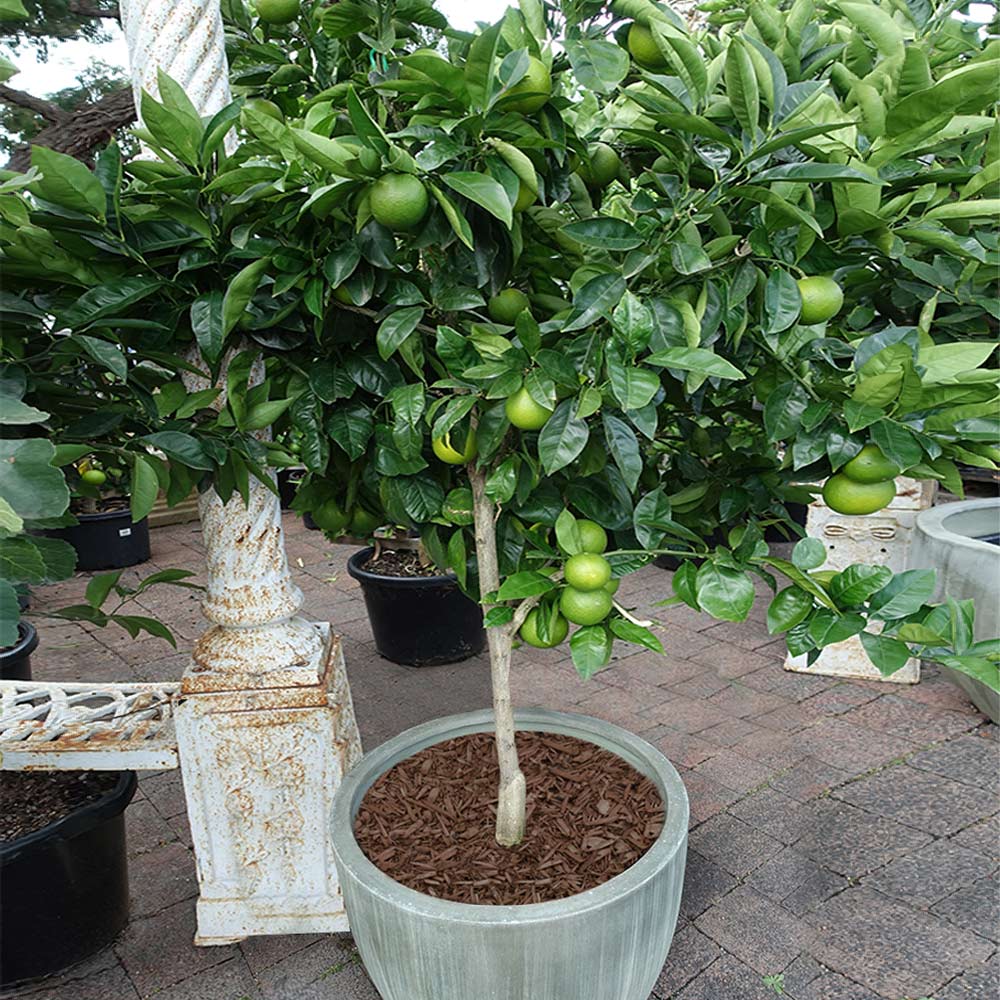
A small evergreen tree or shrub, growing 3–5 meters tall.
Bark: Grey-brown, with short spines
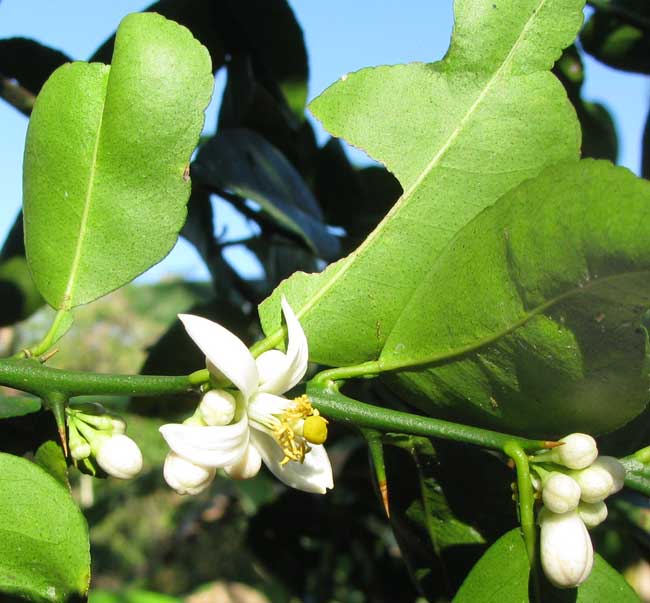
Leaves: Ovate, glossy, aromatic when crushed
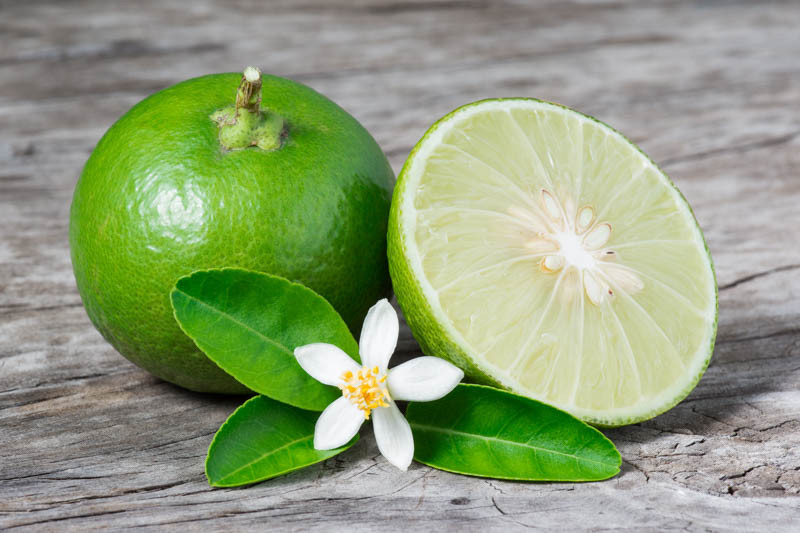
Flowers: Small, white, fragrant, borne singly or in clusters
Fruit: Small, round, green to yellow, thin-skinned, highly acidic
ECOLOGY
Thrives in tropical and subtropical climates
Prefers warm temperatures and full sunlight
Pollinated by insects, especially bees
Seeds dispersed by animals and humans
CULTIVATION
Propagation: Seeds, budding, and grafting
Climate: Warm, frost-free
Soil: Well-drained sandy loam
Water: Moderate; sensitive to waterlogging
Widely cultivated in home gardens and orchards.
TRADITIONAL USES
Fruit juice used in cooking, beverages, pickles, and chutneys
Used as a natural food preservative
Juice and peel used in cleaning and cosmetics
Cultural and religious uses
MEDICINAL USES
Traditional medicine uses include:
Juice for indigestion, nausea, and constipation
Used to prevent and treat scurvy due to high vitamin C
Research supports both nutritional and medicinal value.
BIOLOGY
Life form: Evergreen shrub or small tree
Reproduction: Sexual (seeds) and vegetative
Flowering: Multiple times a year
Growth rate: Moderate
TOXICITY
Citrus aurantifolia is generally safe for consumption.
Excessive intake may cause gastric acidity
Lime peel oil may cause photosensitivity on skin
Seeds and peel should be used cautiously in medicinal doses
CONCLUSION
Citrus aurantifolia (Kachlebu / Key Lime) is a nutritionally rich and medicinally valuable citrus plant, widely used in food, traditional medicine, and cosmetics. Supported by scientific research, it plays an important role in health, agriculture, and cultural practices across tropical regions.
Flower Name
ORIGIN
Lorem ipsum dolor sit amet, consectetur adipiscing elit. Ut elit tellus, luctus nec ullamcorper mattis, pulvinar dapibus leo.
TAXONOMY
Lorem ipsum dolor sit amet, consectetur adipiscing elit. Ut elit tellus, luctus nec ullamcorper mattis, pulvinar dapibus leo.
EVOLUTION
Lorem ipsum dolor sit amet, consectetur adipiscing elit. Ut elit tellus, luctus nec ullamcorper mattis, pulvinar dapibus leo.
DESCRIPTION
Lorem ipsum dolor sit amet, consectetur adipiscing elit. Ut elit tellus, luctus nec ullamcorper mattis, pulvinar dapibus leo.
ECOLOGY
Lorem ipsum dolor sit amet, consectetur adipiscing elit. Ut elit tellus, luctus nec ullamcorper mattis, pulvinar dapibus leo.
CULTIVATION
Lorem ipsum dolor sit amet, consectetur adipiscing elit. Ut elit tellus, luctus nec ullamcorper mattis, pulvinar dapibus leo.
TRADITIONAL USES
Lorem ipsum dolor sit amet, consectetur adipiscing elit. Ut elit tellus, luctus nec ullamcorper mattis, pulvinar dapibus leo.
MEDICINAL USES
Lorem ipsum dolor sit amet, consectetur adipiscing elit. Ut elit tellus, luctus nec ullamcorper mattis, pulvinar dapibus leo.
RESEARCH
Lorem ipsum dolor sit amet, consectetur adipiscing elit. Ut elit tellus, luctus nec ullamcorper mattis, pulvinar dapibus leo.
BIOLOGY
Lorem ipsum dolor sit amet, consectetur adipiscing elit. Ut elit tellus, luctus nec ullamcorper mattis, pulvinar dapibus leo.
TOXICITY
Lorem ipsum dolor sit amet, consectetur adipiscing elit. Ut elit tellus, luctus nec ullamcorper mattis, pulvinar dapibus leo.
CONCLUSION
Lorem ipsum dolor sit amet, consectetur adipiscing elit. Ut elit tellus, luctus nec ullamcorper mattis, pulvinar dapibus leo.