University of Science and Technology Chittagong (USTC)
USTC Pharmacy Medicinal Garden
আলকুশী (MUCUNA PRURIENS)
ORIGIN
Mucuna pruriens is native to tropical Africa and Asia, and is now widely distributed throughout South Asia (including Bangladesh and India), Southeast Asia, the Caribbean, and tropical America. It commonly grows in forests, fallow lands, and cultivated fields.
TAXONOMY
Kingdom: Plantae
Clade: Angiosperms → Eudicots
Order: Fabales
Family: Fabaceae
Genus:Mucuna
Species:Mucuna pruriens (L.) DC.
EVOLUTION
Mucuna pruriens evolved as a climbing legume, developing hairy seed pods containing irritant compounds as a defense mechanism against herbivores. The plant also evolved the ability to fix atmospheric nitrogen, allowing it to thrive in poor soils.
DESCRIPTION
A vigorous annual climbing herb.
Stem: Twining, covered with fine hairs
Leaves: Trifoliate, ovate to rhomboid
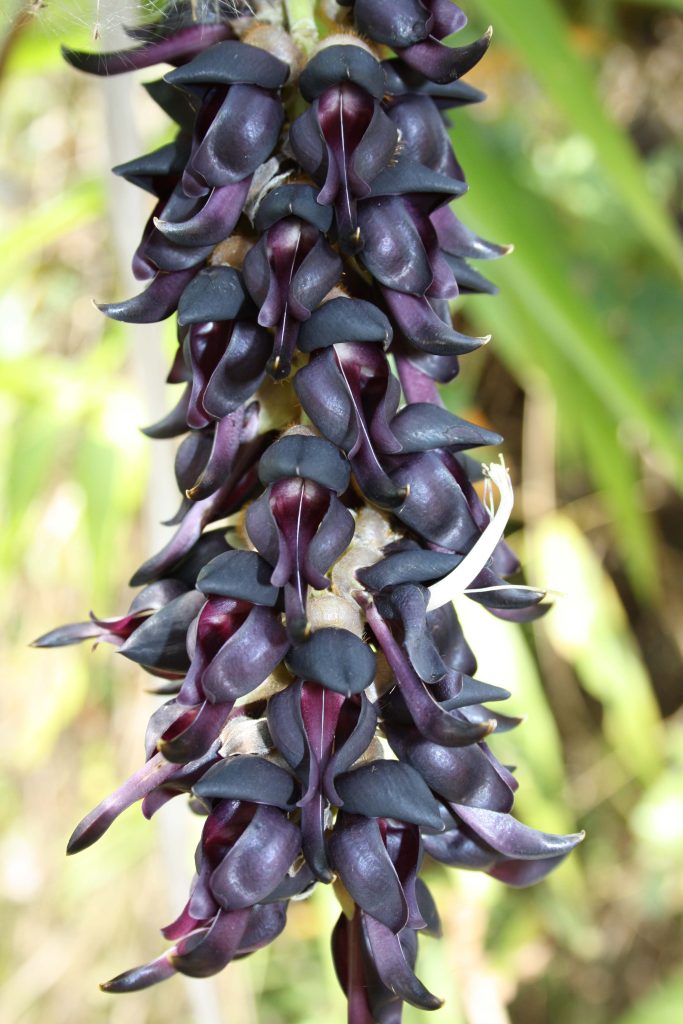
Flowers: Purple, lavender, or white, borne in hanging clusters
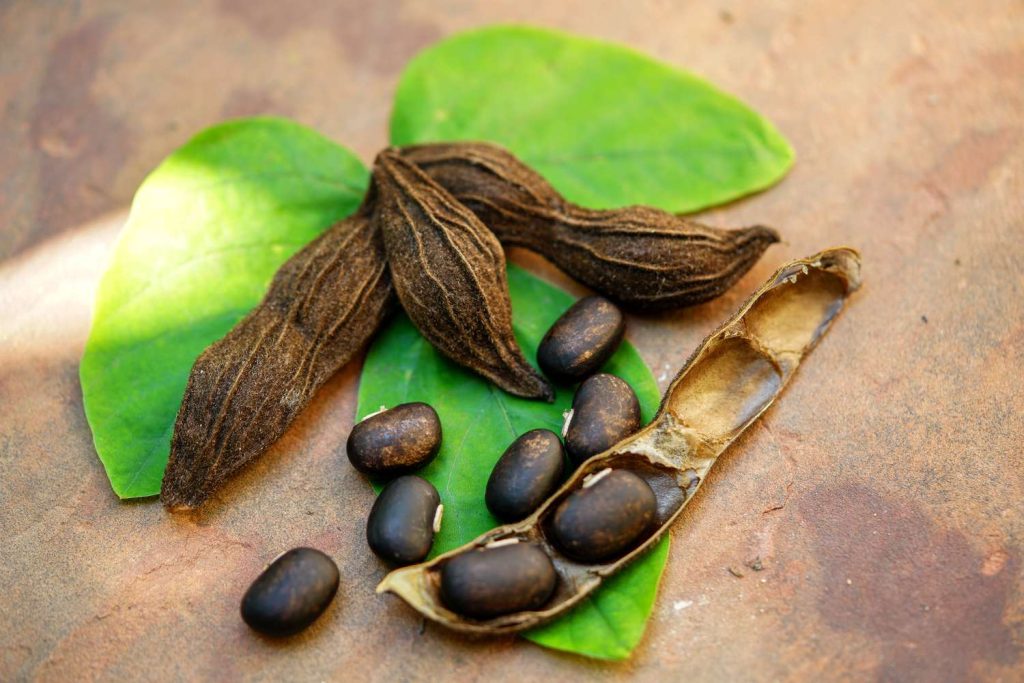
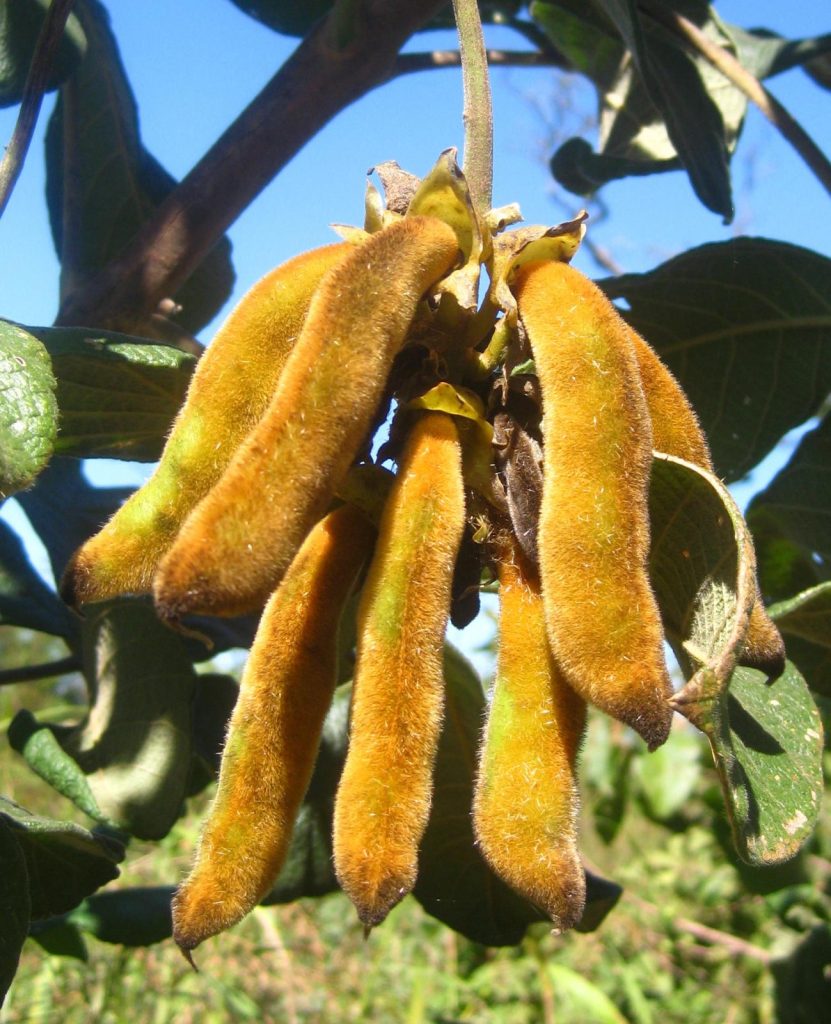
Fruit: Pods densely covered with reddish-brown stinging hairs
Seeds: Hard, shiny, black or brown
The pods cause intense itching on contact.
ECOLOGY
Grows in tropical and subtropical climates
Thrives in open fields and forest edges
Pollinated mainly by insects
Improves soil fertility through nitrogen fixation
It is often used as a cover crop.
CULTIVATION
Propagation: Seeds
Climate: Warm, humid
Soil: Well-drained sandy or loamy soil
Water: Moderate
Commonly cultivated as a green manure, fodder, and medicinal crop.
TRADITIONAL USES
Traditionally used for:
Green manure and soil improvement
Animal fodder (after proper processing)
Traditional Ayurvedic and folk medicine
Cultural practices related to fertility and vitality
Mucuna pruriens is one of the richest natural sources of L-DOPA.
BIOLOGY
Life form: Annual climbing legume
Reproduction: Sexual reproduction via seeds
Flowering: Monsoon season
Growth rate: Fast
TOXICITY
Raw seeds contain toxic and antinutritional factors
Pod hairs cause severe skin irritation and itching
Seeds must be properly processed before consumption
Excessive medicinal use may cause nausea or headache
CONCLUSION
Mucuna pruriens (Alkushi / Velvet Bean) is a highly valuable medicinal and agricultural plant, especially known for its role in neurological health and soil fertility. While its therapeutic potential is well supported by research, proper processing and controlled use are essential to avoid toxicity.