University of Science and Technology Chittagong (USTC)
USTC Pharmacy Medicinal Garden
ধনিয়া (CORIANDRUM SATIVUM)
ORIGIN
Coriandrum sativum is native to Southern Europe, Northern Africa, and Southwestern Asia. It has been cultivated for over 3,000 years and widely spread to India, Bangladesh, the Middle East, and Southeast Asia for culinary and medicinal purposes.
TAXONOMY
Kingdom: Plantae
Clade: Angiosperms → Eudicots
Order: Apiales
Family: Apiaceae
Genus:Coriandrum
Species:Coriandrum sativum L.
EVOLUTION
Coriandrum sativum evolved as a small annual herb, producing aromatic leaves and seeds to attract pollinators while deterring herbivores. Its pungent flavor and volatile oils contributed to its widespread cultivation and use.
DESCRIPTION
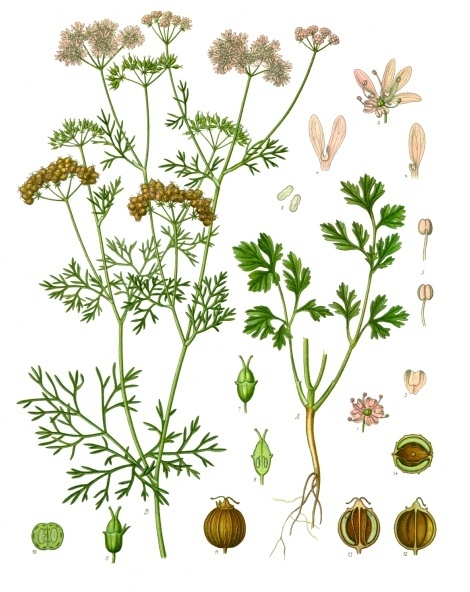
An annual herbaceous plant growing 50–100 cm in height.
Stem: Hollow, branched
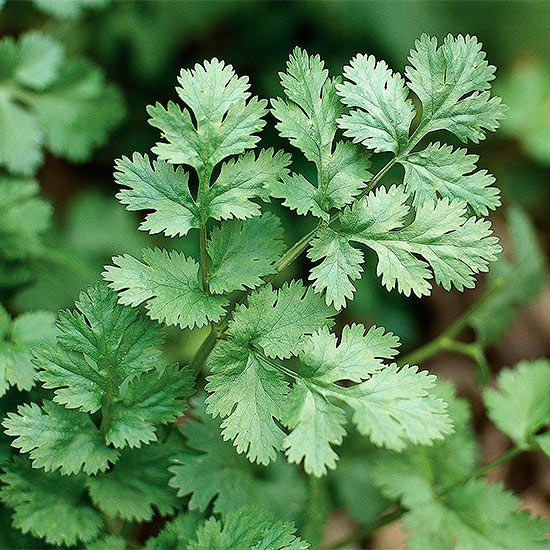
Leaves: Two types—lower leaves pinnate and feathery, upper leaves simple and narrow
Flowers: Small, white or pink, arranged in umbels
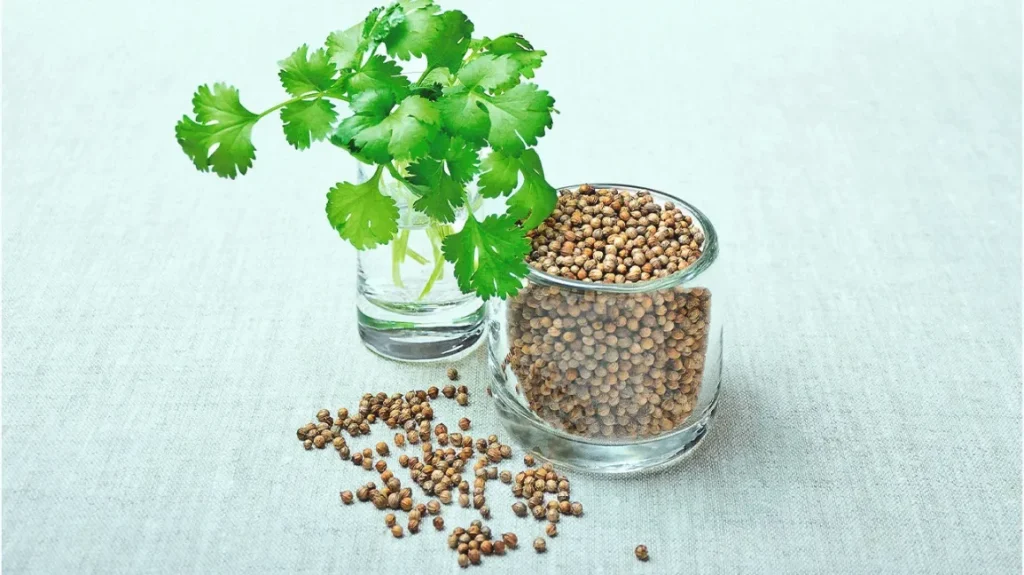
Fruit/Seeds: Globose, brownish, aromatic, used as spice
Both fresh leaves and dried seeds are edible.
ECOLOGY
Thrives in temperate to subtropical climates
Prefers well-drained, fertile soil with moderate moisture
Pollinated mainly by insects
Seeds dispersed by humans and occasionally by animals
CULTIVATION
Propagation: Seeds
Climate: Cool to moderate temperatures
Soil: Loamy, fertile, well-drained
Water: Moderate irrigation
Commonly cultivated in kitchen gardens and commercial herb farms.
TRADITIONAL USES
Leaves used as fresh herb in salads, curries, chutneys, and garnishes
Seeds used as spice, flavoring, and pickling agent
Both leaves and seeds used in religious offerings and rituals
MEDICINAL USES
Traditional medicine uses include:
Seeds used for digestive disorders, bloating, and gas
Leaves used for detoxification, fever reduction, and skin care
Used as a mild antimicrobial and anti-inflammatory agent
Often incorporated in Ayurvedic formulations for respiratory and liver health
Evidence supports both culinary and medicinal uses.
BIOLOGY
Life form: Annual herb
Reproduction: Sexual via seeds
Flowering: Late spring to early summer
Growth rate: Fast, short-lived
TOXICITY
Coriandrum sativum is generally safe when used as food or medicine.
Rare allergic reactions may occur
Essential oil should not be consumed undiluted
Safe for long-term culinary use
CONCLUSION
Coriandrum sativum (Dhonia / Coriander) is a widely valued culinary and medicinal herb, with both leaves and seeds used globally. Its traditional uses are increasingly validated by scientific research, highlighting its nutritional, therapeutic, and cultural importance.