University of Science and Technology Chittagong (USTC)
USTC Pharmacy Medicinal Garden
বাঁশপাতা (BAMBUSA VULGARIS)
ORIGIN
Bambusa vulgaris is native to Southeast Asia, including India, Bangladesh, Myanmar, and Malaysia. It has been widely cultivated in tropical and subtropical regions worldwide for its fast growth and multipurpose use.
TAXONOMY
Kingdom: Plantae
Clade: Angiosperms → Monocots
Order: Poales
Family: Poaceae (subfamily: Bambusoideae)
Genus:Bambusa
Species:Bambusa vulgaris Schrad. ex J.C.Wendl.
EVOLUTION
Bambusa vulgaris evolved as a rapidly growing, clumping bamboo species, adapted to warm and humid climates. Its hollow culms, rhizomatous growth, and resilience allow it to colonize disturbed lands and thrive in varied environments.
DESCRIPTION
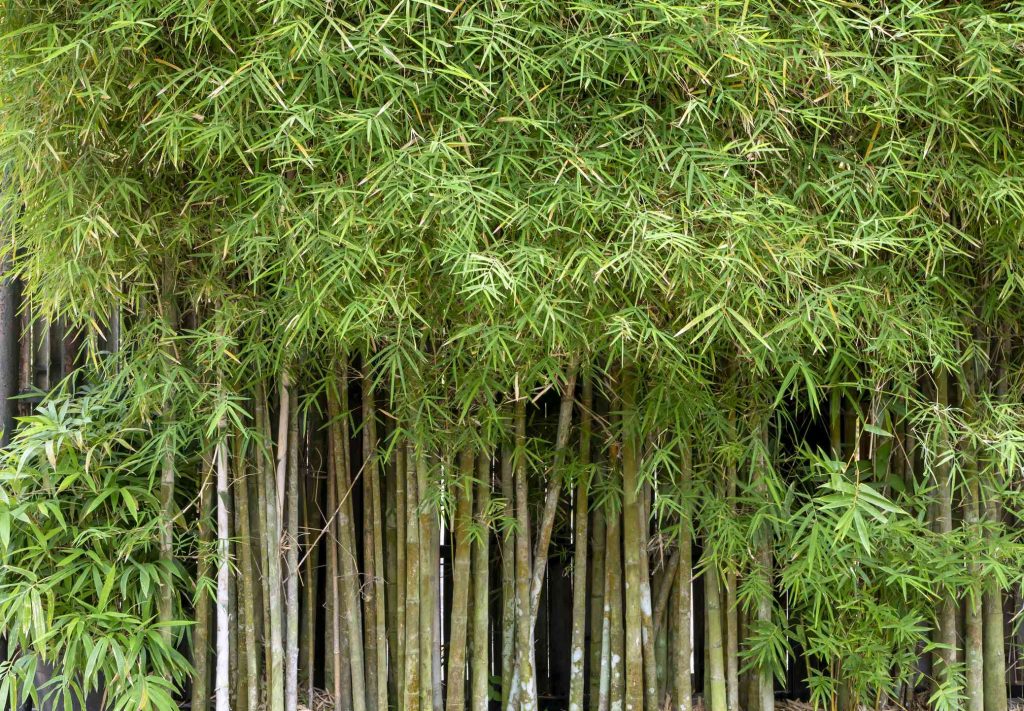
A large, perennial, clumping bamboo, reaching 10–20 meters in height.
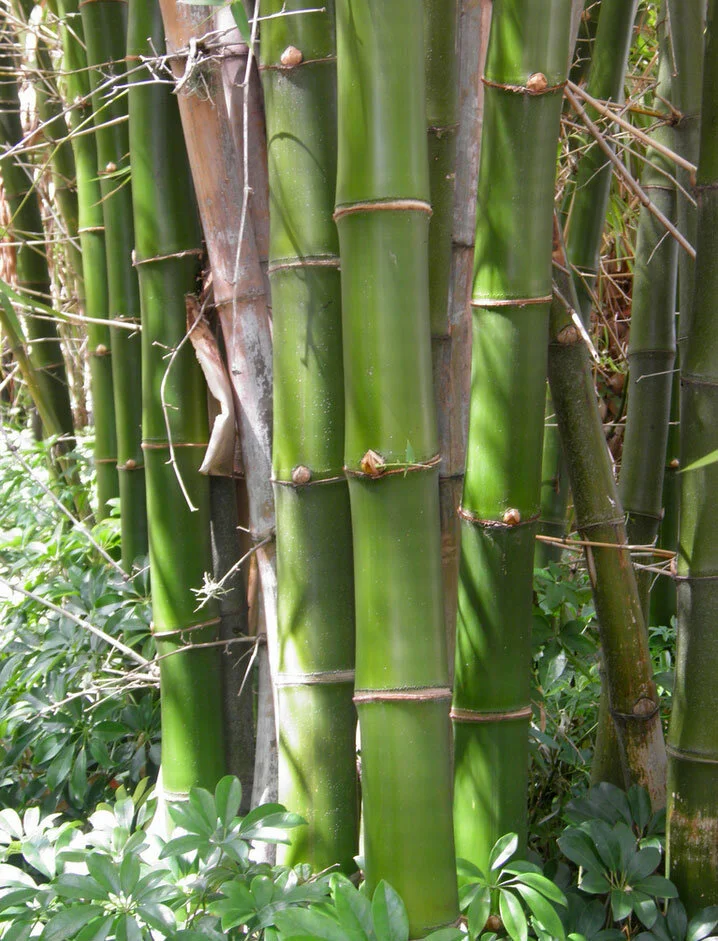
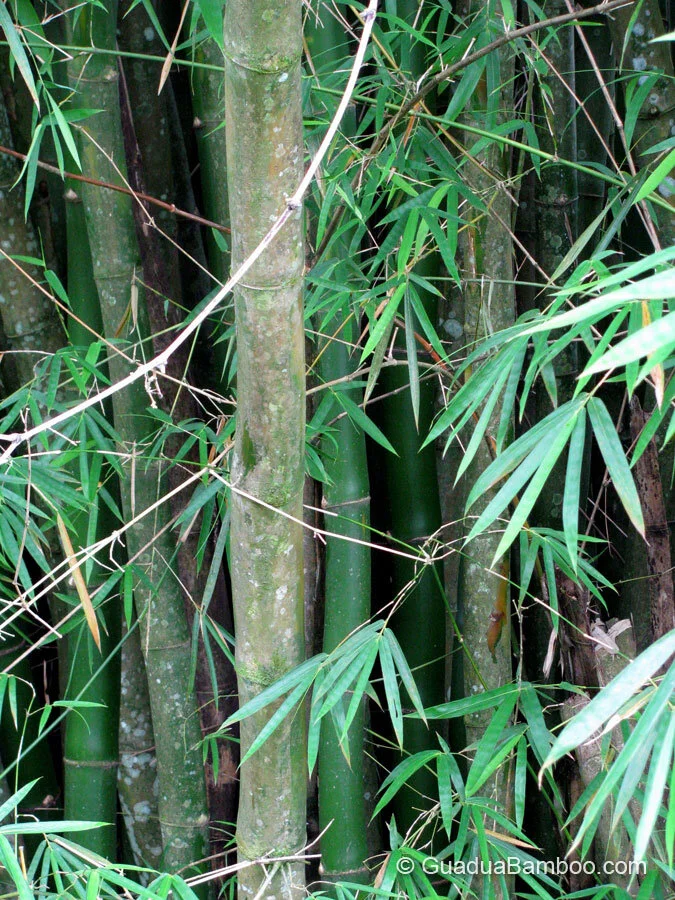
Culms: Thick, green or yellow, segmented with nodes, hollow internally
Leaves: Long, narrow, lanceolate, alternate, with prominent midrib
Flowers: Rare; small, white, in terminal inflorescences
Shoots: Edible when young, tender, used in cuisine
It is one of the most common bamboo species in tropical regions.
ECOLOGY
Thrives in tropical and subtropical climates
Prefers well-drained soils with moderate fertility
Provides shelter for wildlife, including birds and insects
Plays a significant role in soil conservation and erosion control
CULTIVATION
Propagation: By rhizome division or stem cuttings
Climate: Warm, humid, frost-sensitive
Soil: Sandy-loam to clay-loam, well-drained
Water: Moderate to high during early growth
Widely cultivated for timber, construction, and ornamental purposes.
TRADITIONAL USES
Construction: Houses, scaffolding, fences, and bridges
Also studied for bioengineering, sustainable material, and soil conservation
BIOLOGY
Life form: Perennial, woody grass
Reproduction: Sexual (flowers rarely) and vegetative (rhizomes)
Growth rate: Extremely fast; some shoots grow up to 91 cm/day
Lifespan: 10–20 years for culms
TOXICITY
Bambusa vulgaris is generally safe for human use and consumption.
Young shoots must be cooked to remove cyanogenic compounds
No major toxicity reported in traditional or industrial use
CONCLUSION
Bambusa vulgaris (Bansh Pata / Common Bamboo) is a highly versatile plant, providing ecological, medicinal, construction, and culinary benefits. Its rapid growth, environmental adaptability, and multiple uses make it an essential plant in tropical and subtropical regions.