
বাসক (ADHATODA VASICA)

ORIGIN
বাসক is native to:
India
Bangladesh
Nepal
Sri Lanka
Myanmar
It flourishes in tropical and subtropical regions and grows naturally in the foothills of the Himalayas.
TAXONOMY
Kingdom: Plantae
Order: Lamiales
Family: Acanthaceae
Genus: Justicia
Species: Justicia adhatoda (syn. Adhatoda vasica)
EVOLUTION
বাসক evolved in moist, warm, Himalayan foothill ecosystems with:
Thick, leathery leaves for heat & moisture regulation
Specialized alkaloids (vasicine, vasicinone) that protect against insects and pathogens
Tubular flowers adapted for insect pollination
It has been used medicinally for thousands of years, especially in Indian and Tibetan systems.
DESCRIPTION
Plant Characteristics
Type: Evergreen medicinal shrub
Height: 1–3 meters
Leaves: Lance-shaped, strong medicinal smell, dark green
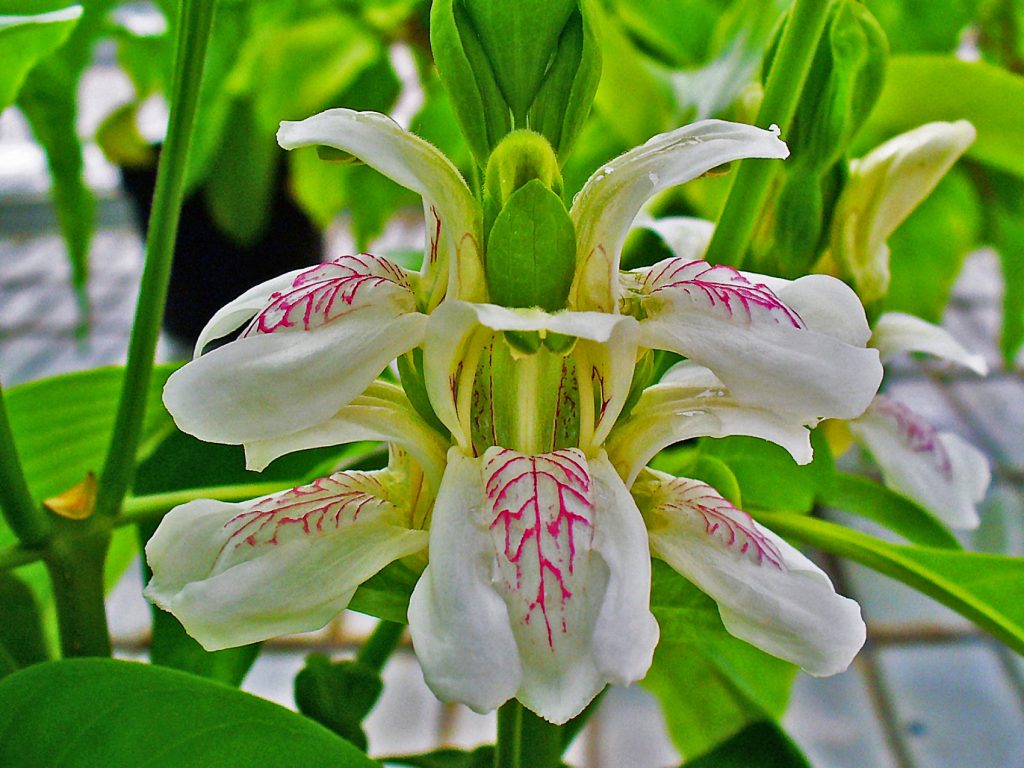
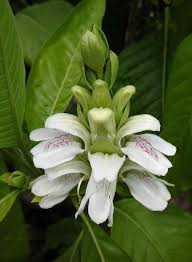
Flowers: White or pale purple, with purple streaks
Fruits: Small capsules containing seeds
The leaves are the most commonly used medicinal part.
ECOLOGY
বাসক grows well in:
Moist soils
Subtropical climates
Lower Himalayan slopes
Forest edges and open fields
Ecological roles
Drought-resistant shrub
Provides nectar for bees and insects
Stabilizes soil in sloped terrains
CULTIVATION
Propagation
Commonly by stem cuttings
Also by seeds, though less common
Ideal Growing Conditions
Sunlight: Prefers partial to full sun
Soil: Moist, fertile, well-drained
Water: Moderate irrigation
Temperature: 15–30°C
Harvesting
Leaves are harvested throughout the year, but medicinal potency is highest in spring and early summer.
TRADITIONAL USES
Ayurvedic Uses
বাসক is a primary ingredient in classical formulas like:
Vasarishta
Vasa Ghrita
Kashayam (decoctions)
Folk & Siddha Medicine
Relief from cough, bronchitis
Anti-inflammatory poultices
Anti-bleeding remedy
MEDICINAL USES
বাসক is especially known for respiratory benefits.
Key Properties
Bronchodilator
Expectorant
Anti-inflammatory
Antitussive (reduces cough)
Antimicrobial
Haemostatic (controls bleeding)
Common Therapeutic Uses
Asthma
Chronic and acute bronchitis
Cough and cold
Tuberculosis (supportive therapy)
Wheezing and shortness of breath
Nosebleeds and internal bleeding
Fever & flu conditions
Parts Used
Leaves (most used)
Flowers
Roots
Bark
RESEARCH
Active Compounds
Vasicine (primary alkaloid)
Vasicinone
Essential oils
Flavonoids
Organic acids
Scientific Findings
Bronchodilatory effect – Relaxes bronchial muscles
Expectorant – Helps expel mucus
Anti-asthmatic – Widely studied
Antimicrobial – Active against bacteria & fungi
Anti-inflammatory – Reduces airway inflammation
Haemostatic – Helps control bleeding in injuries and ulcers
Uterotonic – Stimulates uterine contractions (important caution)
Vasicine is chemically related to some modern bronchodilator drugs.
BIOLOGY
Life Cycle
Seed/Stem → Young shrub → Flowering plant → Seed formation → Regeneration
Physiology
Leaves store alkaloids in glandular tissues
Flowers attract insects for pollination
Adapted to survive dry and hot conditions
TOXICITY
বাসক is safe when used properly, but:
Precautions
Not recommended during pregnancy
(vasicine can stimulate uterine muscles)Excess consumption may cause:
Nausea
Vomiting
Diarrhea
Should be avoided with strong bronchodilator medications unless supervised
Use under guidance if you have chronic respiratory illness.
CONCLUSION
বাসক (Adhatoda vasica) is one of the most important herbs for respiratory health, widely used in Ayurveda, Siddha, and Unani medicine. Its potent alkaloids—vasicine and vasicinone—give it strong bronchodilatory, expectorant, and anti-inflammatory properties. For cough, asthma, bronchitis, and respiratory infections, Vasaka has been a trusted medicinal plant for centuries.
Its ecological resilience and medicinal richness make it a valuable shrub both traditionally and scientifically.