University of Science and Technology Chittagong (USTC)
USTC Pharmacy Medicinal Garden
বেল (AEGLE MARMELOS)
ORIGIN
বেল (Aegle marmelos) is native to the Indian subcontinent, including India, Bangladesh, Sri Lanka, Nepal, and Myanmar. It has been cultivated since ancient times and holds great religious, cultural, and medicinal importance, especially in Hinduism, where it is sacred to Lord Shiva.
TAXONOMY
Kingdom: Plantae
Division: Angiosperms
Class: Eudicots
Order: Sapindales
Family: Rutaceae
Genus:Aegle
Species:Aegle marmelos (L.) Corrêa
EVOLUTION
Bael belongs to the Rutaceae family, which includes citrus plants.
Evolved adaptations for hot and dry climates
Development of a hard, woody fruit shell to protect seeds
Production of secondary metabolites (coumarins, alkaloids) for defense against pests and pathogens
DESCRIPTION
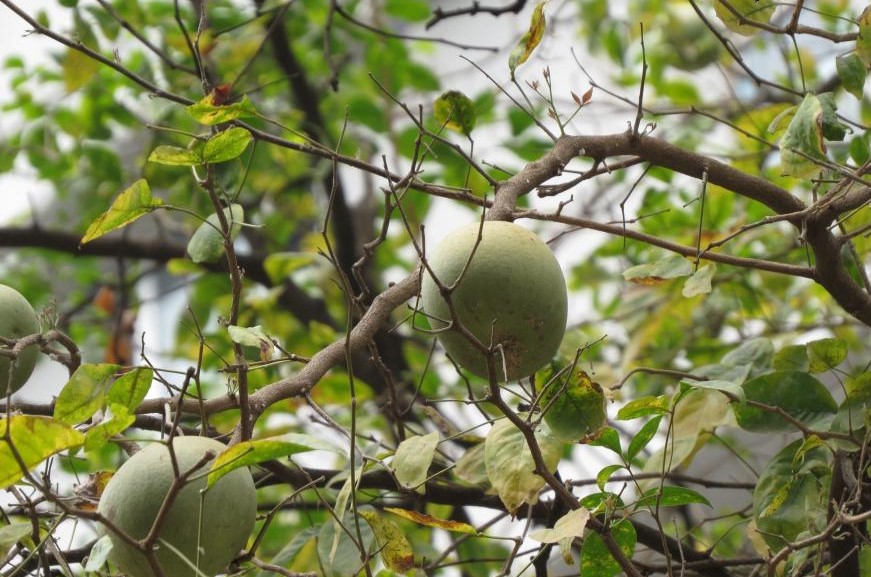
Plant type: Medium-sized deciduous tree
Height: 8–15 meters
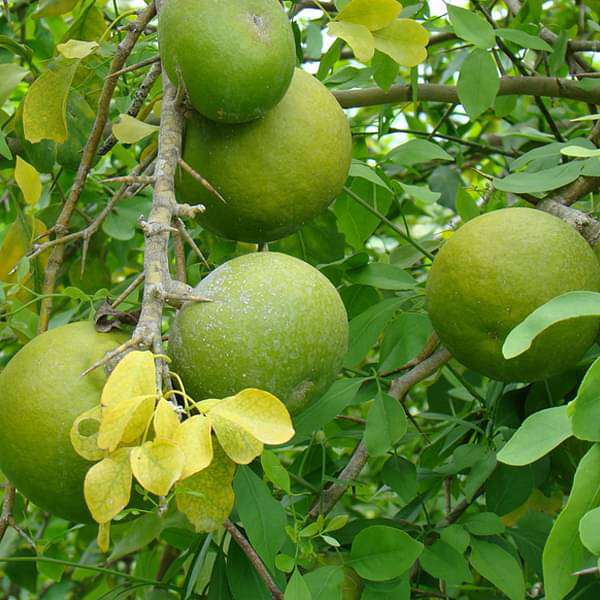
Leaves: Trifoliate (three leaflets), aromatic
Flowers: Greenish-white, fragrant
Fruit: Large, round, hard-shelled berry
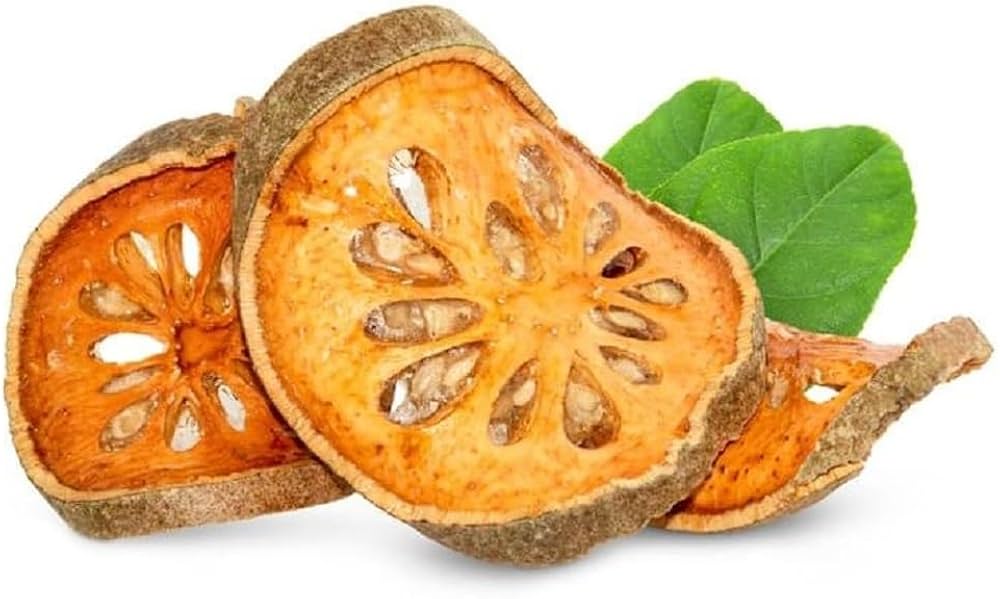
Pulp: Yellow to orange, sticky, aromatic
Seeds: Numerous, embedded in mucilage
ECOLOGY
Climate: Tropical to subtropical
Soil: Sandy loam to clay loam
Rainfall: 500–1500 mm annually
Sunlight: Full sun
Bael is highly drought-tolerant and can grow in poor soil conditions.
CULTIVATION
Propagation: Seeds, grafting, budding
Planting season: Monsoon
Time to fruiting: 5–7 years (seed-grown plants)
Harvesting: Fruits are harvested when mature and the shell turns yellowish-green
Once established, the plant requires minimal irrigation.
TRADITIONAL USES
Ayurvedic Medicine
Treatment of diarrhea and dysentery
Digestive disorders
Fever
Unani Medicine
Liver tonic
Cardiac support
Religious Use
Leaves are used in the worship of Lord Shiva
Symbol of purity and healing
MEDICINAL USES
Different parts of the bael tree are used medicinally.
Fruit
Effective in diarrhea and dysentery
Improves digestion and gut health
Leaves
Antidiabetic activity
Anti-inflammatory and antipyretic properties
Roots and Bark
Antimicrobial effects
Analgesic (pain-relieving) activity
RESEARCH
Major Bioactive Compounds
Marmelosin
Aegeline
Coumarins
Flavonoids
Tannins
Scientific Evidence
Confirmed antidiarrheal effects
Strong antioxidant and antidiabetic activities
Hepatoprotective effects observed in animal studies
Further clinical studies are required to establish standardized medicinal use.
BIOLOGY
Pollination: Insect-pollinated
Chromosome number: 2n = 18
Life cycle: Perennial
Fruiting: Once per year
TOXICITY
Bael is generally safe when consumed in normal dietary amounts.
Precautions
Excess intake of unripe fruit may cause constipation
Diabetic patients should monitor blood glucose levels
Avoid excessive medicinal use during pregnancy
CONCLUSION
Bael (Aegle marmelos) is a highly valuable medicinal and fruit-bearing tree with a long history of traditional use and growing scientific support. It plays an important role in digestive health, metabolic regulation, and cultural practices. However, it should be used as a complementary therapy, not a replacement for modern medical treatment.