
রসুন (ALLIUM SATIVUM)
ORIGIN
রসুন is native to:
Central Asia (likely Iran and Turkmenistan)
Northern Pakistan
It has been cultivated for over 5,000 years, spreading globally through trade and migration. Ancient civilizations—including Egyptians, Greeks, and Chinese—valued it for food and medicine.
TAXONOMY
Kingdom: Plantae
Order: Asparagales
Family: Amaryllidaceae
Genus: Allium
Species: Allium sativum
রসুন is closely related to onions (Allium cepa), leeks (Allium ampeloprasum), and chives (Allium schoenoprasum)
EVOLUTION
Evolved in temperate climates of Central Asia
Developed bulbs to survive cold winters and dry periods
Produced sulfur-containing compounds (allicin) for defense against pests and microbes
Humans selectively propagated cloves for larger bulbs and milder flavors
DESCRIPTION
Plant Characteristics
Type: Perennial herb (grown as annual in cultivation)
Height: 30–60 cm
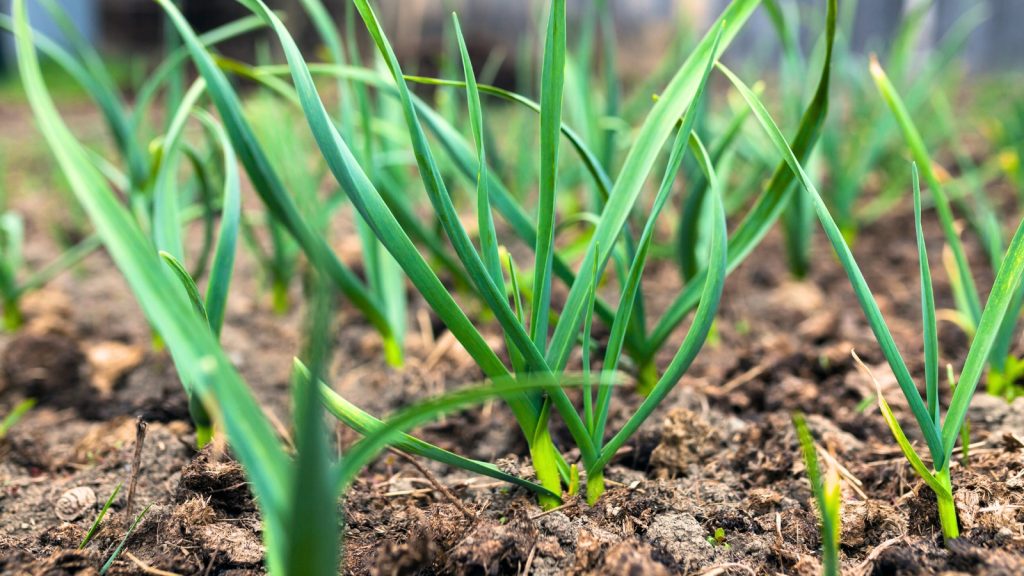
Leaves: Flat, linear, hollow
Stems: Short; flowering stems (scape) arise from bulb
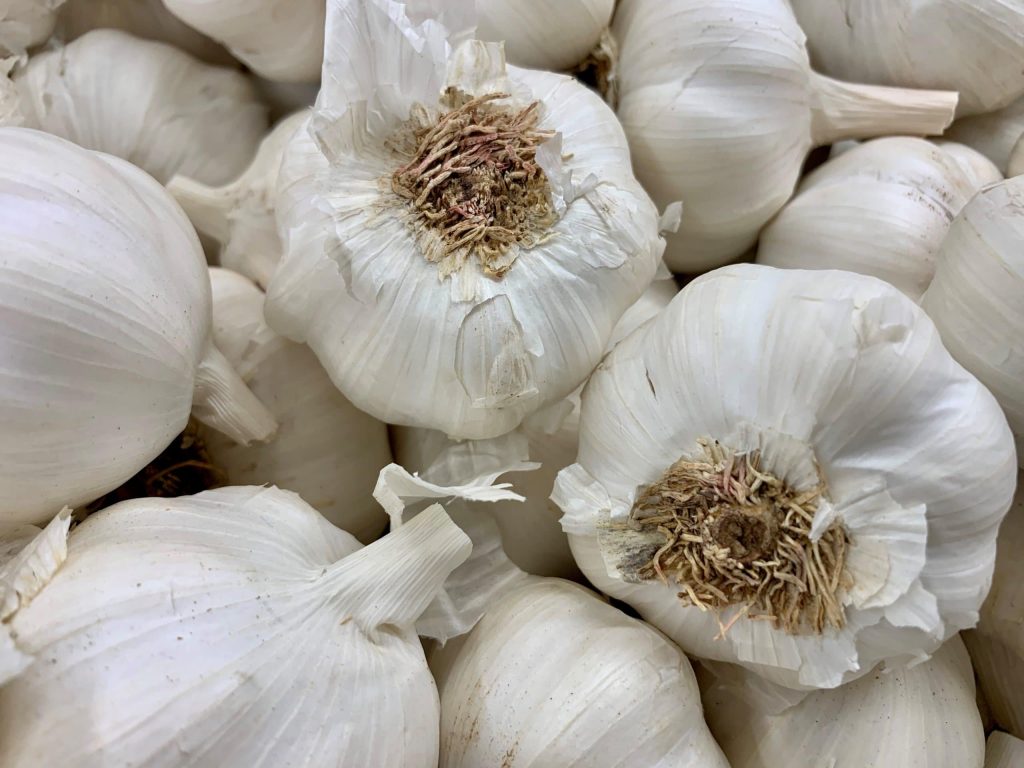
Bulbs: Composed of 4–20 cloves, covered with papery skin
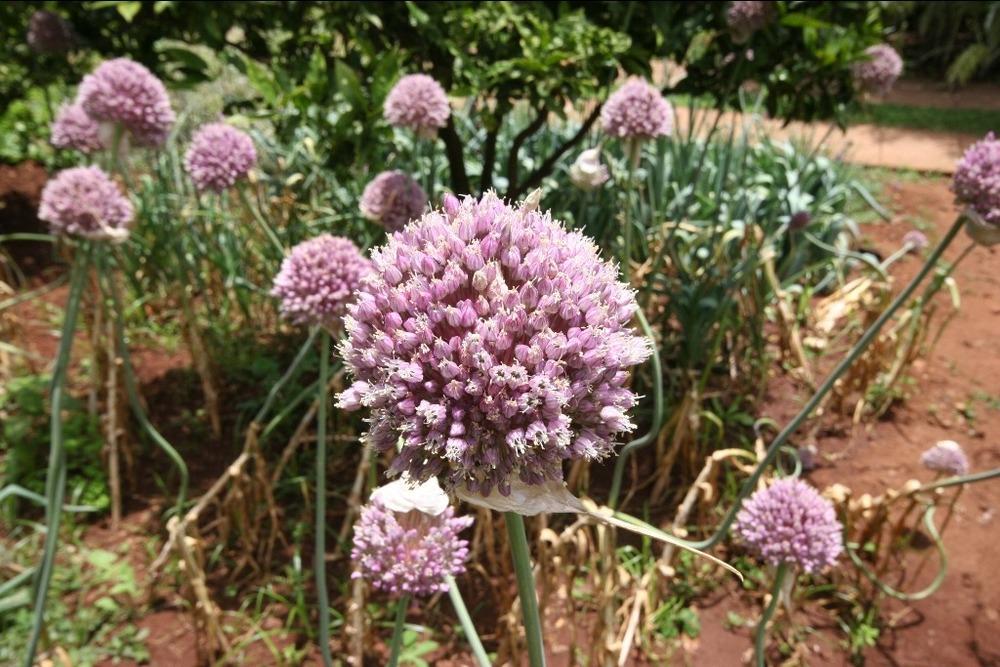
Flowers: Small, white or pink, arranged in umbels
The bulb is the primary part used in cooking and medicine.
ECOLOGY
রসুন grows best in:
Temperate and subtropical regions
Well-drained loamy soil
Full sunlight
Ecological Traits
Sensitive to waterlogging
Can tolerate mild frost
Companion plant in agriculture (repels insects, nematodes)
CULTIVATION
Propagation
By cloves (individual garlic cloves planted in soil)
Growing Conditions
Soil: Fertile, well-drained
Sunlight: Full sun
Water: Moderate; keep soil moist but not waterlogged
Temperature: 15–25°C for best growth
Harvest: 6–8 months after planting
Garlic can be stored for months under cool, dry conditions.
TRADITIONAL USES
Culinary
Widely used globally as a spice and flavoring
Raw, cooked, powdered, or pickled
Key ingredient in sauces, soups, and meat dishes
Household & Cultural Uses
Used as natural pesticide and insect repellent
Considered protective in folklore
Oil extracts used for preservation
MEDICINAL USES
Garlic has been used for thousands of years as a natural remedy.
Key Properties
Antimicrobial (antibacterial, antifungal, antiviral)
Cardioprotective
Anti-inflammatory
Antioxidant
Antihypertensive
Hypoglycemic (blood sugar lowering)
Immunomodulatory
Common Therapeutic Uses
Prevents and treats cold, flu, infections
Lowers blood pressure and cholesterol
Reduces risk of heart disease
Enhances immunity
Digestive aid
Detoxifying agent
Parts Used
Bulbs (raw, cooked, or powdered)
Garlic oil
Garlic extract supplements
Allicin is the major bioactive compound responsible for medicinal effects.
RESEARCH
Active Compounds
Allicin
Diallyl disulfide
S-allyl cysteine
Flavonoids
Selenium
Scientific Findings
Cardiovascular health: Reduces LDL cholesterol and blood pressure
Antimicrobial effects: Kills bacteria, fungi, and some viruses
Antioxidant: Neutralizes free radicals
Cancer prevention: Studies suggest protective effect against colon and stomach cancers
Immune support: Enhances white blood cell activity
Anti-inflammatory: Helps arthritis and other inflammatory conditions
BIOLOGY
Life Cycle
Clove → Sprout → Leaf growth → Bulb formation → Flowering (scape) → Seed formation (rarely)
Physiology
Bulb stores nutrients for plant survival
Leaves perform photosynthesis
Allicin is produced when garlic tissue is damaged (crushed or chopped)
TOXICITY
রসুন is generally safe, but:
Possible Side Effects
Bad breath and body odor
Heartburn or stomach upset
Allergic reactions (rare)
May increase bleeding risk in high doses
Precautions
Avoid high doses before surgery
Use cautiously with blood-thinning medications
Can interact with anti-diabetic or antihypertensive drugs
CONCLUSION
রসুন (Allium sativum) is a globally important medicinal and culinary plant with a long history of use. Its sulfur-containing compounds, especially allicin, provide potent antimicrobial, cardiovascular, and antioxidant effects. Garlic remains indispensable in traditional medicine, modern phytotherapy, and global cuisine, making it both a healthful herb and a staple spice.