University of Science and Technology Chittagong (USTC)
USTC Pharmacy Medicinal Garden
Flower Name
ORIGIN
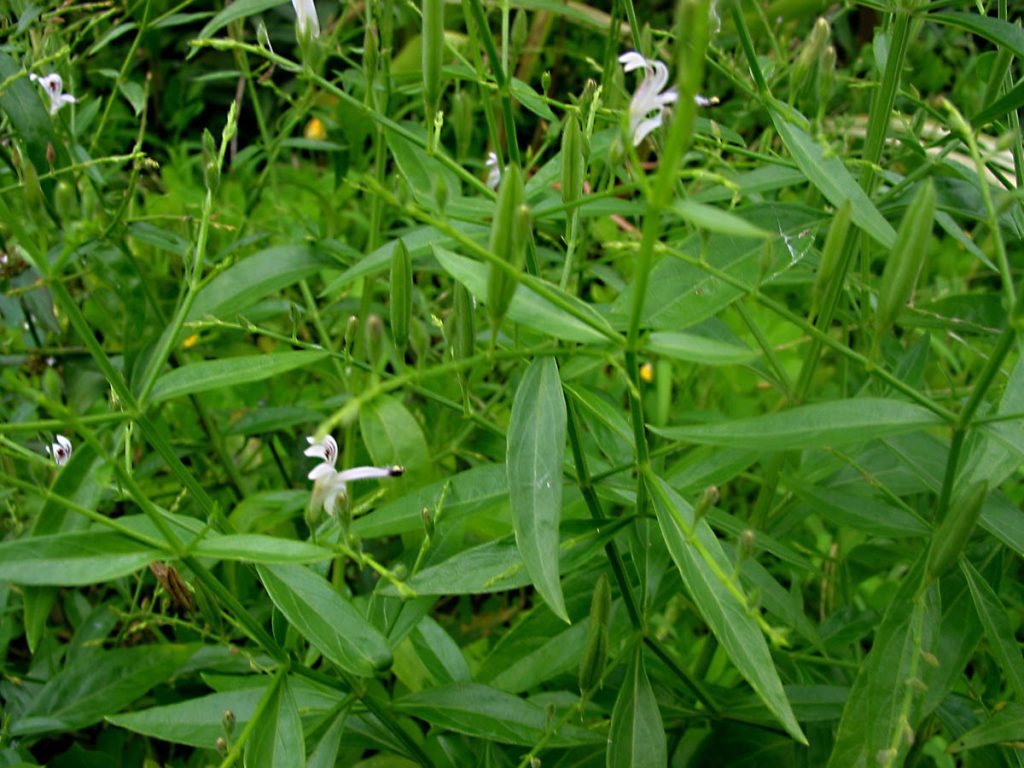
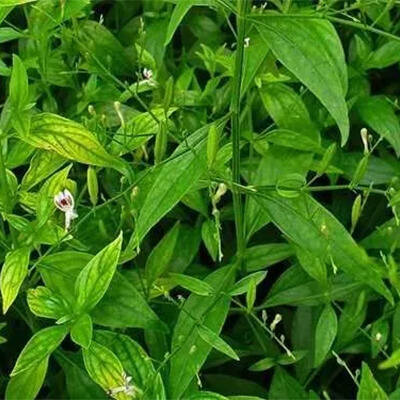
Kalomegh (Andrographis paniculata) is native to South and Southeast Asia, including India, Sri Lanka, Bangladesh, and Thailand. It has been used in Ayurveda, Siddha, and traditional Chinese medicine for centuries as a potent herbal remedy for fever and liver disorders.
TAXONOMY
Kingdom: Plantae
Division: Angiosperms
Class: Eudicots
Order: Lamiales
Family: Acanthaceae
Genus:Andrographis
Species:Andrographis paniculata (Burm.f.) Nees
EVOLUTION
Belongs to the Acanthaceae family, widely distributed in tropical and subtropical regions.
Developed bitter secondary metabolites as a defense against herbivory.
Evolved adaptability to dry and semi-shaded habitats.
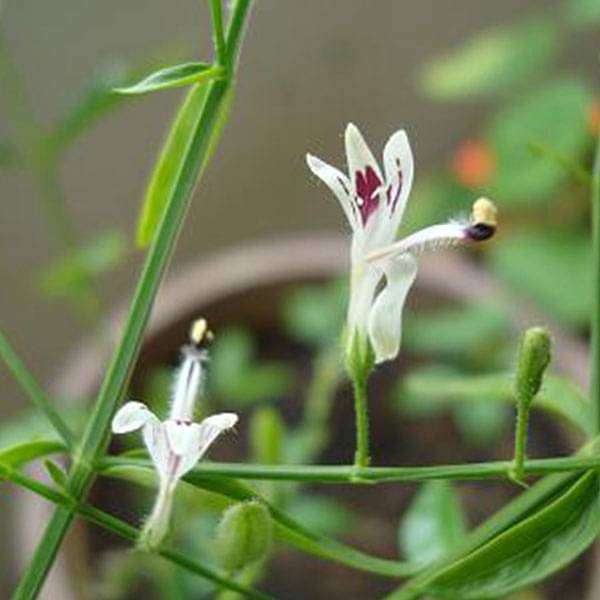
Flowers: Small, white, clustered in terminal spikes
Fruit: Narrow, elongated capsule with many seeds
Taste: Extremely bitter
ECOLOGY
Climate: Tropical and subtropical
Soil: Well-drained sandy loam
Sunlight: Full sun to partial shade
Habitat: Cultivated and wild in wastelands, forest edges, and agricultural fields
CULTIVATION
Propagation: Seeds
Planting season: Monsoon (June–July)
Harvesting: 3–4 months after sowing (leaves and stems)
Care: Minimal; drought-tolerant but prefers moderate watering
TRADITIONAL USES
Ayurvedic Medicine
Liver tonic (hepatoprotective)
Treats fever (malarial and viral)
Improves digestion and appetite
Traditional Chinese Medicine
Anti-inflammatory
Immunostimulant
Respiratory infections
MEDICINAL USES
Leaves & stems: Rich in bioactive compounds
Hepatoprotective: Supports liver function
Antiviral & antibacterial: Effective against common infections
Immune booster: Reduces severity of colds, flu, and upper respiratory infections
Anti-inflammatory & antioxidant properties
RESEARCH
Major Bioactive Compounds
Andrographolide (main active diterpenoid)
Neoandrographolide
Flavonoids, alkaloids, and polyphenols
Scientific Evidence
Andrographolide shows antiviral, antibacterial, and anticancer activity
Shown to reduce liver toxicity in animal studies
Clinical trials indicate reduced duration and severity of common cold and flu
Strong immune-modulatory effects observed
BIOLOGY
Pollination: Insects, mainly bees
Chromosome number: 2n = 20
Life cycle: Annual
Reproduction: Seed propagation
TOXICITY
Generally safe at recommended doses
Mild side effects may include headache, fatigue, nausea
High doses may cause hypotension or digestive upset
Contraindicated in pregnancy and lactation without medical supervision
CONCLUSION
Kalomegh (Andrographis paniculata) is a powerful medicinal herb with significant hepatoprotective, antiviral, anti-inflammatory, and immune-boosting properties. It is widely used in traditional medicine and is increasingly validated by modern scientific research. Proper dosing is critical, as the plant contains potent bioactive compounds.