University of Science and Technology Chittagong (USTC)
USTC Pharmacy Medicinal Garden
কাঁঠাল (ARTOCARPUS HETEROPHYLLUS LAM)
ORIGIN
Artocarpus heterophyllus is native to the Western Ghats of India and neighboring regions of Bangladesh and Sri Lanka. It has been cultivated for thousands of years and later spread to Southeast Asia, Africa, the Caribbean, and tropical America.
TAXONOMY
Kingdom: Plantae
Clade: Angiosperms → Eudicots
Order: Rosales
Family: Moraceae
Genus:Artocarpus
Species:Artocarpus heterophyllus Lam.
It is closely related to breadfruit (Artocarpus altilis).
EVOLUTION
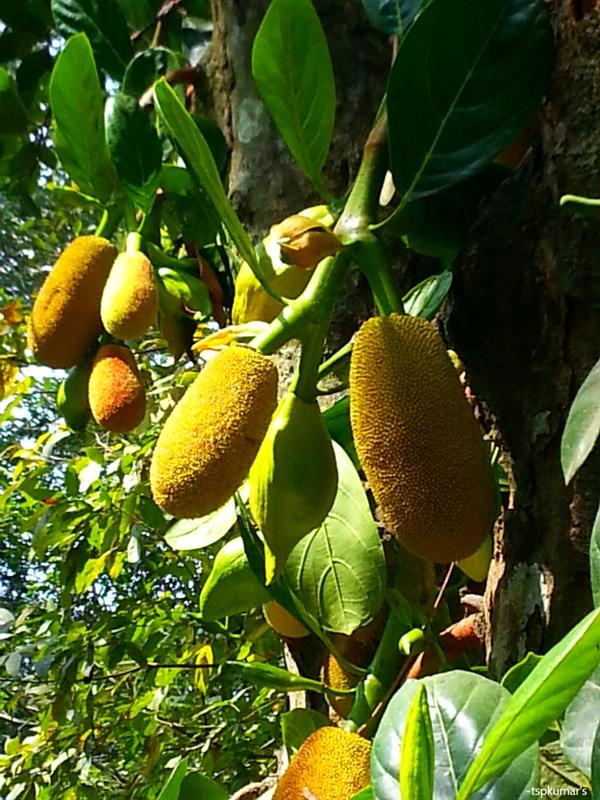
The jackfruit tree evolved as a tropical rainforest species, developing cauliflory (fruit borne on trunk and branches) to support extremely large fruits. The sweet aroma and bright color of the fruit evolved to attract animals for seed dispersal.
DESCRIPTION
Artocarpus heterophyllus is a large evergreen tree, growing up to 20–25 meters.
Bark: Greyish-brown, rough, exudes milky latex
Leaves: Simple, glossy, leathery, elliptic
Flowers: Unisexual; male and female flowers on the same tree
Fruit: Largest tree-borne fruit in the world, weighing up to 30–50 kg
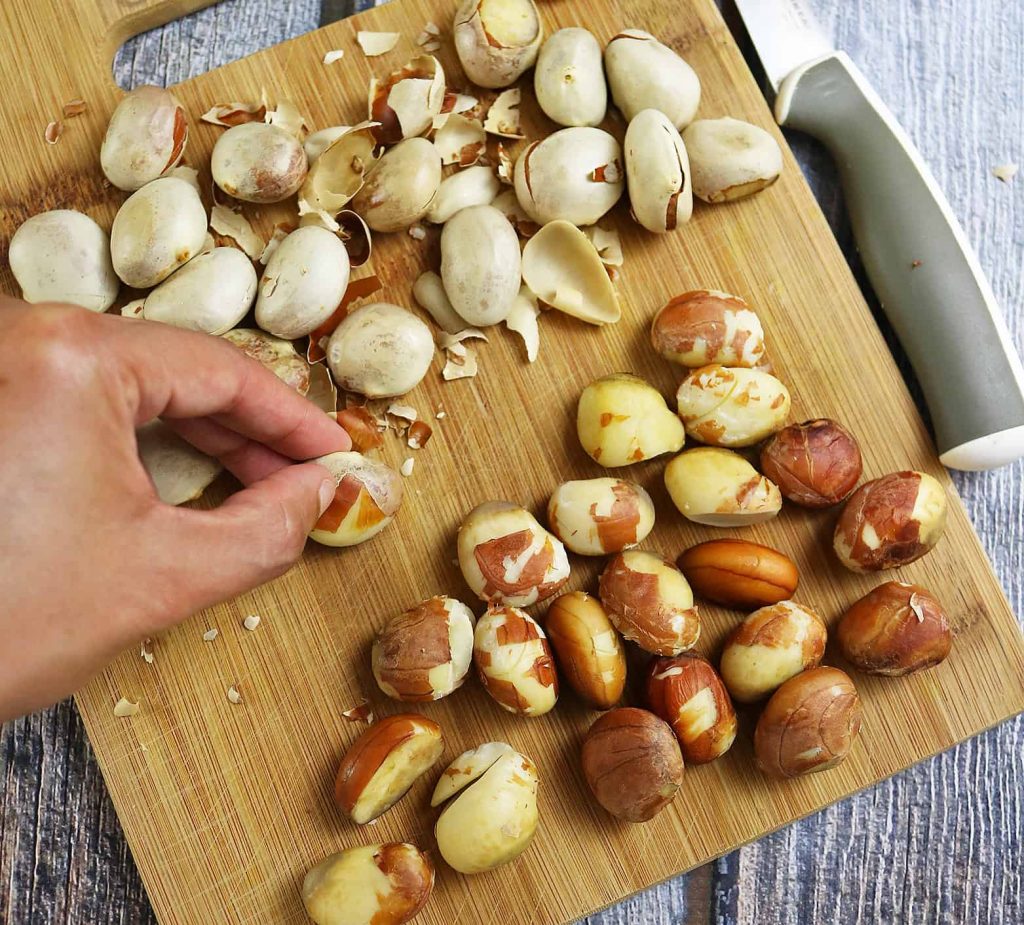
Seeds: Oval, brown, edible when cooked
ECOLOGY
The tree thrives in humid tropical climates.
Requires warm temperatures and high rainfall
Pollinated mainly by wind and insects
Fruits eaten by birds, bats, and mammals
Provides shade and habitat for wildlife
CULTIVATION
Jackfruit is widely cultivated in home gardens and orchards.
Propagation: Seeds, grafting
Climate: Tropical and subtropical
Soil: Deep, fertile, well-drained loam
Water: Moderate requirement
Trees begin fruiting in 3–7 years.
TRADITIONAL USES
Traditionally, jackfruit is used for:
Food: Ripe fruit eaten fresh; unripe fruit used as vegetable
Seeds roasted or boiled as food
Leaves used as fodder
Wood used for furniture and musical instruments
Cultural and religious practices in South Asia
MEDICINAL USES
In traditional medicine:
Fruit pulp used as digestive and nutritive tonic
Seeds used for diarrhea and digestive disorders
Leaves applied for wound healing and skin diseases
Latex used for treating ulcers and glandular swellings
Jackfruit is also researched as a plant-based meat alternative due to its texture and nutritional value.
BIOLOGY
Life form: Evergreen tree
Reproduction: Sexual reproduction via seeds
Flowering: Seasonal, often during warm months
Growth rate: Moderate
The tree can live for over 60–100 years.
TOXICITY
Artocarpus heterophyllus is generally safe for consumption.
Excessive intake may cause digestive discomfort
Latex may cause allergic reactions in sensitive individuals
Seeds must be cooked before consumption
CONCLUSION
Artocarpus heterophyllus (Jackfruit) is a highly valuable multipurpose tree, providing nutrition, medicine, timber, and ecological benefits. With increasing global interest as a sustainable food source, jackfruit holds strong potential for food security, health, and agroforestry development.