
Flower Name

ORIGIN
Barringtonia acutangula is native to South and Southeast Asia, including Bangladesh, India, Sri Lanka, Nepal, Myanmar, Thailand, and Indonesia. It naturally grows in wetlands, riverbanks, marshes, and floodplain forests, making it an important plant in riparian ecosystems.
TAXONOMY
Kingdom: Plantae
Clade: Angiosperms → Eudicots
Order: Ericales
Family: Lecythidaceae
Genus: Barringtonia
Species: Barringtonia acutangula (L.) Gaertn.
The genus Barringtonia includes several species adapted to aquatic and coastal habitats.
EVOLUTION
Barringtonia acutangula evolved as a flood-tolerant tree species, developing adaptations such as aerenchyma tissue, strong root anchorage, and buoyant fruits. These traits allow survival in waterlogged soils and facilitate seed dispersal by water, reflecting evolutionary specialization for wetland environments.
DESCRIPTION
Barringtonia acutangula is a medium-sized evergreen or semi-evergreen tree, usually growing 8–15 meters tall.
Bark: Grey to brown, rough
Leaves: Simple, oblong to elliptic, glossy green
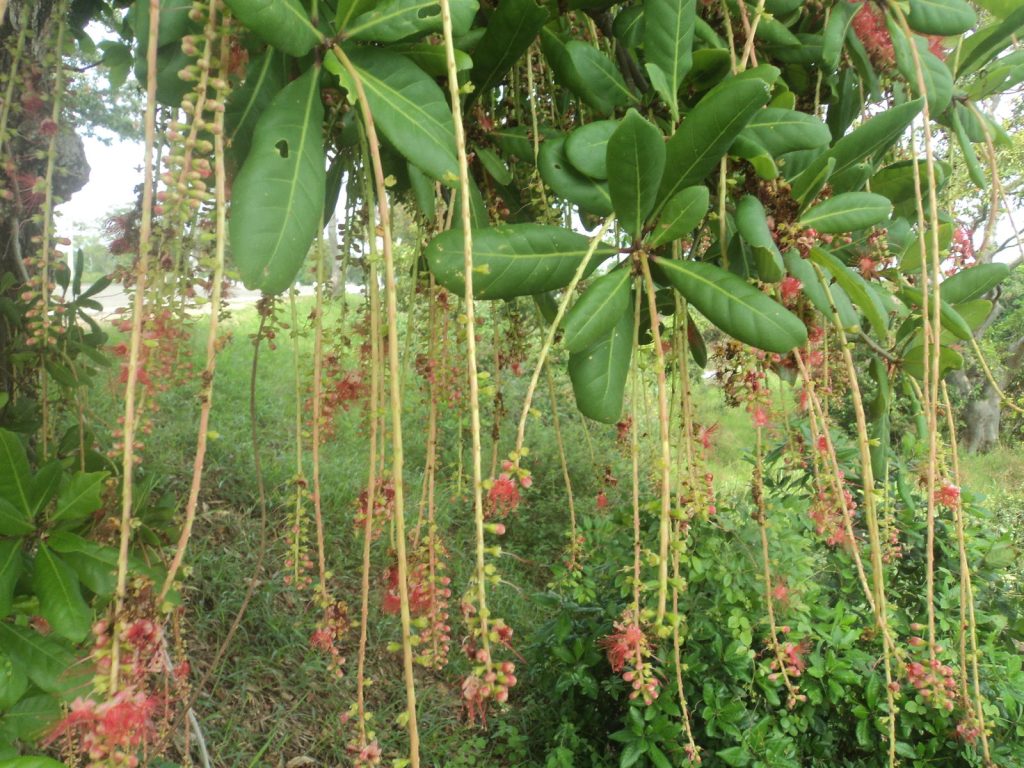
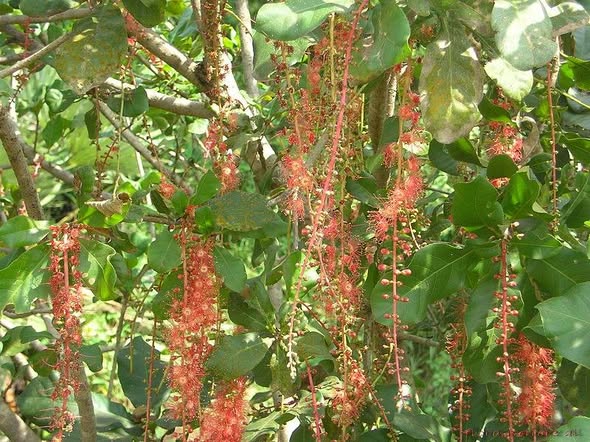
Flowers: Large, showy, red to pink with long protruding stamens
Fruit: Ovoid or quadrangular, fibrous, containing one seed
The flowers are highly ornamental and bloom seasonally.
ECOLOGY
The tree is strongly associated with freshwater ecosystems.
Thrives in flooded and waterlogged soils
Pollinated mainly by insects and birds
Fruits dispersed by water currents
Provides shelter and food for aquatic and terrestrial organisms
It plays a significant role in bank stabilization and wetland biodiversity.
CULTIVATION
Barringtonia acutangula is cultivated near ponds, canals, and wetlands.
Propagation: Seeds
Climate: Tropical to subtropical
Soil: Clayey or loamy soils with high moisture
Water requirement: High
It is often planted for erosion control and landscape beautification.
TRADITIONAL USES
Traditionally, Hijol has been used for:
Fish poison using crushed fruits and bark (traditional fishing practice)
Wood used for light construction and fuel
Planting near water bodies for shade and bank protection
MEDICINAL USES
In folk medicine and Ayurveda:
Bark used to treat diarrhea, dysentery, and fever
Leaves used for skin diseases and wounds
Fruits used externally for inflammation and swelling
Considered to have anthelmintic and antimicrobial properties
RESEARCH
Scientific studies have identified:
Phytochemicals: Saponins, tannins, flavonoids, triterpenoids
Pharmacological activities:
Antidiarrheal
Antimicrobial
Anti-inflammatory
Antioxidant
Piscicidal activity (due to saponins)
Most research is preclinical, focusing on ethnopharmacological validation.
BIOLOGY
Life form: Perennial wetland tree
Reproduction: Sexual reproduction through seeds
Seed dispersal: Hydrochory (water dispersal)
Adaptation: Flood tolerance and seasonal flowering
TOXICITY
Fruits and bark contain toxic saponins, especially harmful to fish
Not safe for indiscriminate internal consumption
Medicinal use should be strictly controlled and supervised
Safe handling is advised during preparation
CONCLUSION
Barringtonia acutangula (Hijol) is an ecologically important wetland tree with significant traditional and medicinal value. Its role in stabilizing riverbanks and supporting biodiversity is vital. While it shows promising pharmacological properties, its toxic constituents require careful handling, and further clinical research is necessary to ensure safe medicinal applications.