
শিমুল (BOMBAX CEIBA)

ORIGIN
শিমুল is native to:
India
Bangladesh
Nepal
Myanmar
Sri Lanka
Southeast Asia (Thailand, Malaysia, Indonesia)
It grows naturally in tropical forests and riverine zones.
TAXONOMY
Kingdom: Plantae
Order: Malvales
Family: Malvaceae
Genus: Bombax
Species: Bombax ceiba
Earlier placed in the Bombacaceae family (now merged with Malvaceae).
EVOLUTION
Believed to have evolved in tropical Asian rainforests.
Developed thorny trunk as protection against animals.
Evolved light, fluffy fiber to assist in seed dispersal by wind.
Adapted well to floodplain soils, monsoon climates, and seasonal drought.
DESCRIPTION
Height: 20–40 meters (can exceed 50 m)
Trunk: Straight, cylindrical, covered with conical thorns when young
Leaves: Palmate (5–7 leaflets), large
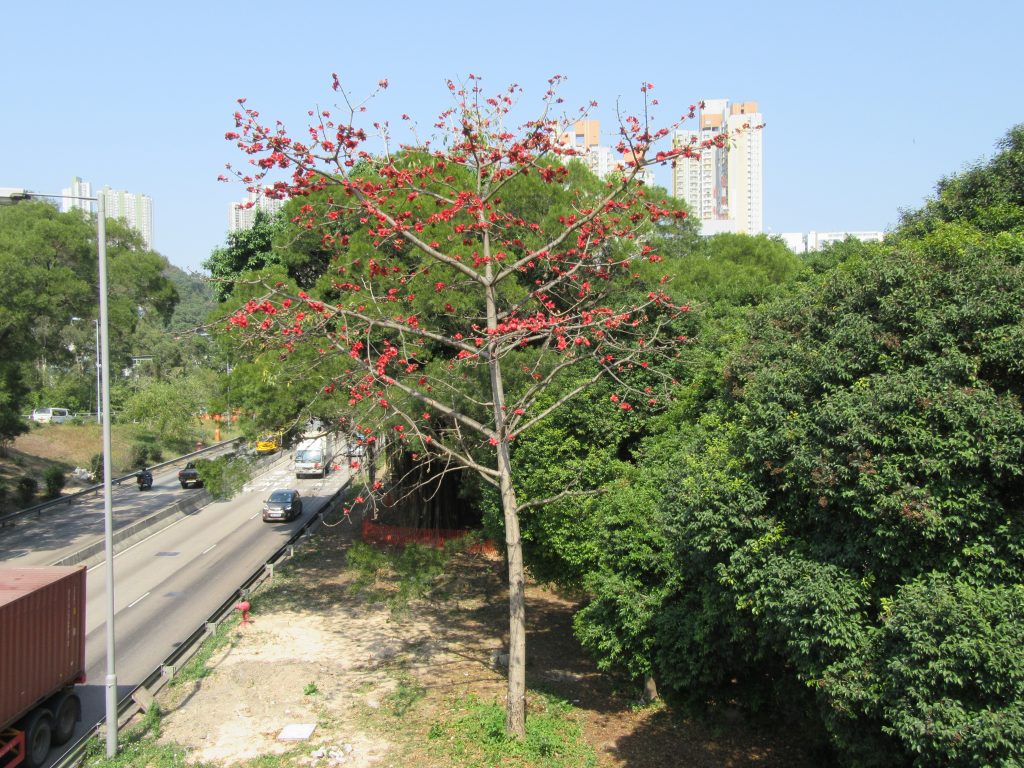
Flowers: Large, brilliant red/orange, appear before leaves
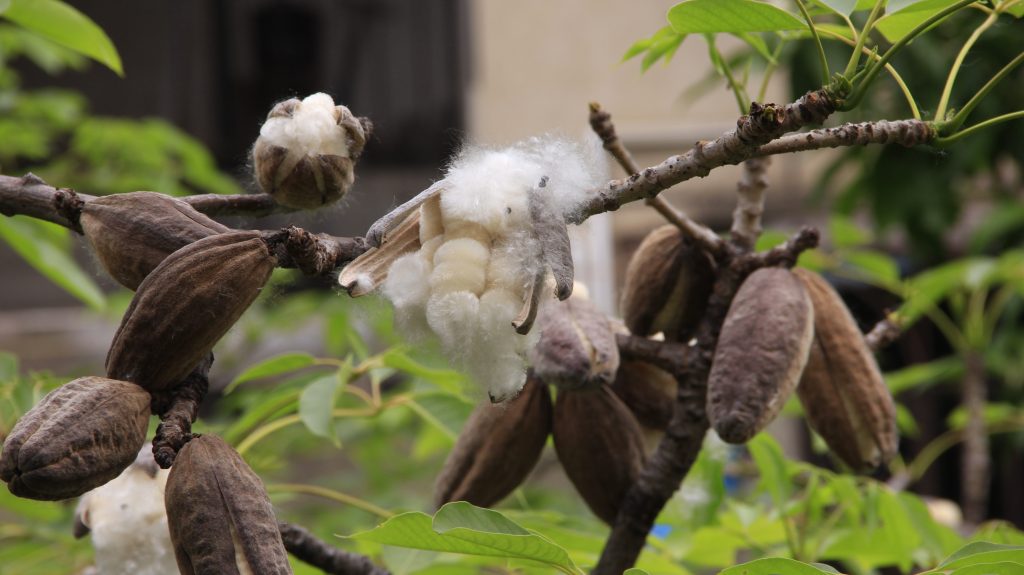
Fruits: Capsule-like, containing numerous seeds covered with silky fibers
The flowering season (February–April) creates a spectacular red canopy.
ECOLOGY
শিমুল thrives in:
Tropical & subtropical forests
Riverbanks, moist alluvium
Open woodlands & village ecosystems
Ecological Importance
Provides early nectar for birds, bats, and insects
Fibrous fruits help wide seed dispersal
Improves soil via organic leaf litter
Acts as a keystone species in dry forests
CULTIVATION
Propagation
By seeds (common)
By root suckers
Seeds require soaking or scarification for better germination
Growing Conditions
Sunlight: Full sun
Soil: Well-drained loam or sandy loam
Water: Moderate moisture; tolerates seasonal drought
Temperature: 20–35°C
Growth: Fast-growing tree, long-lived
Harvest
Flowers, bark, roots, and gum are harvested mainly during dry season.
TRADITIONAL USES
Considered a symbol of strength in Bengal folklore
Traditionally planted near villages and temples
Household & Commercial Uses
Silk cotton (kapok) used for pillows, mattresses, and insulation
Wood used for matchboxes, plywood, and lightweight furniture
Gum used in adhesives
MEDICINAL USES
শিমুল has been used in Ayurveda, Unani, and folk medicine.
Medicinal Properties
Cooling
Astringent
Anti-inflammatory
Diuretic
Demulcent
Aphrodisiac (root bark)
Therapeutic Uses
Diarrhea, dysentery
Urinary problems
Burning sensations
Male reproductive issues
Skin problems
Wound healing
Respiratory issues (flower extracts)
Parts Used
Bark
Roots
Flowers
Gum
Thorn extracts
RESEARCH
Active Compounds
Tannins
Flavonoids
Phenolics
Alkaloids
Mucilage
Sterols
Key Scientific Findings
Anti-inflammatory activity in bark & flowers
Antimicrobial effects against bacteria & fungi
Wound-healing potential
Anti-ulcer properties
Antidiabetic effects in extracts
Antioxidant activity in flowers
Modern studies support many of its folk medicinal claims.
BIOLOGY
Life Cycle
Seedling → Young thorny tree → Mature tall tree → Flowering → Fruiting → Seed dispersal
Physiological Traits
Produces kapok fibers for seed insulation
Thorned bark protects from herbivores
Drops leaves before flowering to attract pollinators
TOXICITY
শিমুল is generally safe, but:
Excess use of bark may cause constipation
Root preparations should not be used during pregnancy
Patients with chronic kidney disease should use cautiously
Kapok fibers may cause mild respiratory irritation if inhaled
External use is safe; internal use should follow proper dosage.
CONCLUSION
শিমুল (Bombax ceiba) is a magnificent and medically valuable tree with significant ecological, cultural, and economic importance. Its stunning red flowers, medicinal bark and roots, and commercially useful kapok fibers make it a multipurpose species. Modern research increasingly supports its traditional uses, especially in anti-inflammatory, antimicrobial, and wound-healing therapies.
Shimul stands as one of the most iconic and beneficial trees in the tropical ecosystem.