
লেমন ঘাস (CYMBOPOGON CITRATUS)

ORIGIN
লেমন ঘাস is native to Southeast Asia, especially:
India
Sri Lanka
Thailand
Malaysia
Indonesia
Today it is cultivated widely in tropical and subtropical regions across the world due to its culinary, medicinal, and industrial value.
TAXONOMY
Kingdom: Plantae
Order: Poales
Family: Poaceae
Genus: Cymbopogon
Species: Cymbopogon citratus
The genus Cymbopogon also includes citronella grass, palmarosa, and other aromatic grasses.
EVOLUTION
Evolved in moist, warm, monsoon-fed habitats.
Developed strong essential oils (citral, myrcene) as defense against insects and herbivores.
Over time, humans selectively cultivated it for fragrance, culinary use, and medicine.
DESCRIPTION
Plant Characteristics
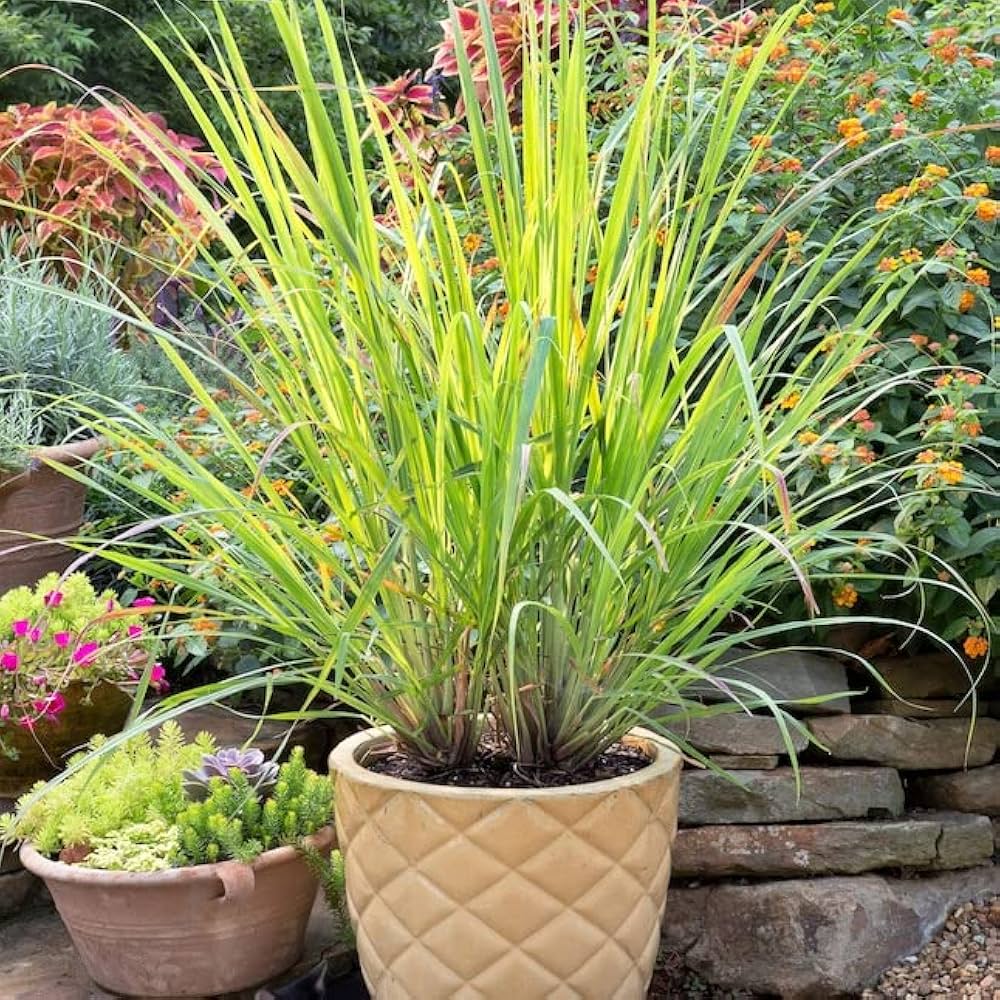
Type: Perennial aromatic grass
Height: 1–1.5 meters
Leaves: Long, narrow, sharp-edged, lemon-scented
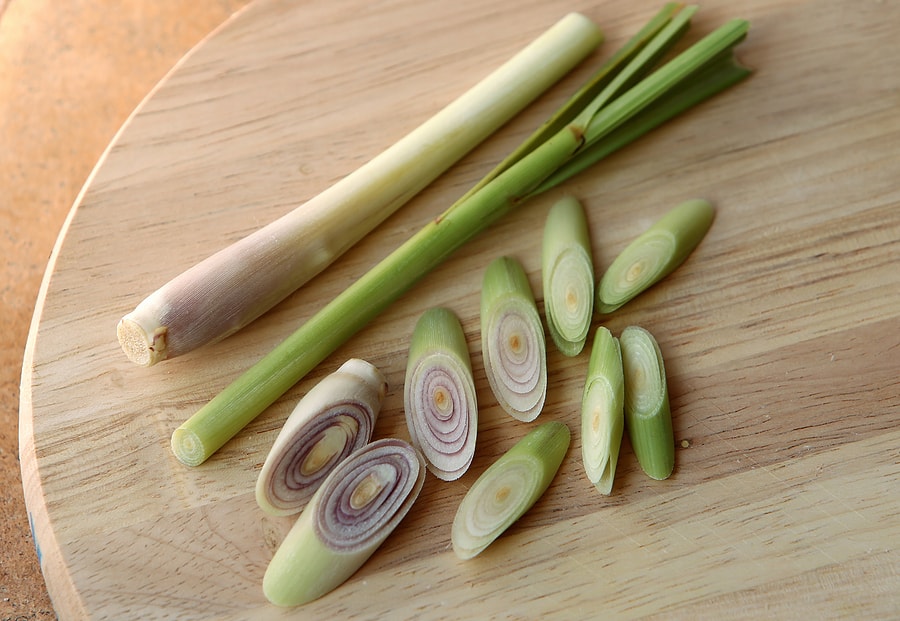
Stems: Thick, bulbous base (used in cooking & tea)
Aroma: Strong citrus fragrance due to citral essential oil
The plant grows in dense clumps and spreads quickly through root division.
ECOLOGY
লেমন ঘাস thrives in:
Warm tropical climates
High rainfall zones
Well-drained sandy or loamy soil
Ecological Importance
Repels mosquitoes and insects
Prevents soil erosion
Attracts beneficial pollinators
Acts as a natural barrier plant in gardens
CULTIVATION
Propagation
Mainly by root division (slips)
Occasionally by seeds (less common)
Growing Conditions
Sunlight: Full sun
Soil: Fertile, well-drained
Water: Moderate; avoid stagnant water
Temperature: 20–35°C
Harvest: Leaves and stems can be harvested every 3–4 months
Lemongrass is hardy and grows well in both gardens and pots.
TRADITIONAL USES
Culinary
Popular in Thai, Vietnamese, Indian, and Sri Lankan cuisine
Used in soups, curries, teas, beverages, and marinades
Aromatic & Household Uses
Mosquito repellent
Essential oils for perfumes and soaps
Room freshener
Used in steam inhalation
Cultural Uses
Used in traditional cleansing rituals in parts of Asia
MEDICINAL USES
লেমন ঘাস is widely used in herbal medicine for its antimicrobial, anti-inflammatory, and digestive benefits.
Key Therapeutic Properties
Antibacterial
Antifungal
Antioxidant
Anti-inflammatory
Antipyretic (reduces fever)
Digestive stimulant
Calming and anti-anxiety
Diuretic
Common Uses
Fever reduction (“fever grass tea”)
Indigestion, bloating, gas
Stress and anxiety relief (tea or aroma)
Pain relief
Cough, cold, sore throat
Improving metabolism
Skin infections (topical oil)
Natural detoxification
Parts Used
Leaves
Stalks
Essential oil
RESEARCH
Major Active Compounds
Citral (neral + geranial)
Myrcene
Limonene
Geraniol
Flavonoids
Terpenoids
Scientific Findings
Antimicrobial: Effective against many bacteria & fungi
Anti-inflammatory: Reduces swelling & pain
Antioxidant: Protects cells from oxidative stress
Anticancer potential: Citral shows activity against cancer cells in laboratory studies
Anti-anxiety: Calming effect on the nervous system
Digestive health: Stimulates enzyme secretion and improves gut mobility
Mosquito repellent: Strong repellent due to citral and limonene
BIOLOGY
Life Cycle
Rhizome division → Shoot emergence → Leaf growth → Mature clump → Reproduction
Physiology
Stores essential oils in leaf glands
Has a fibrous root system that strengthens soil
Grows rapidly under warm, moist conditions
TOXICITY
লেমন ঘাস is generally safe, but:
Possible Side Effects
Large internal doses may cause stomach irritation
Essential oil may cause skin sensitivity
Can reduce potassium levels when used excessively
May lower blood pressure slightly
Avoid or use with caution in:
Pregnancy (large amounts not advised)
People with kidney issues (due to diuretic effect)
Those on blood pressure or diuretic medication
Essential oil should never be consumed directly.
CONCLUSION
লেমন ঘাস (Cymbopogon citratus) is a versatile and highly valued plant known for its culinary, aromatic, and medicinal benefits. Its citrus aroma, antimicrobial properties, and digestive support make it one of the world’s most popular herbal plants. Easy to grow and environmentally friendly, lemongrass plays an important role in traditional medicine, modern herbal therapy, and the essential oil industry.
It truly stands as a multi-purpose herb of global significance.