University of Science and Technology Chittagong (USTC)
USTC Pharmacy Medicinal Garden
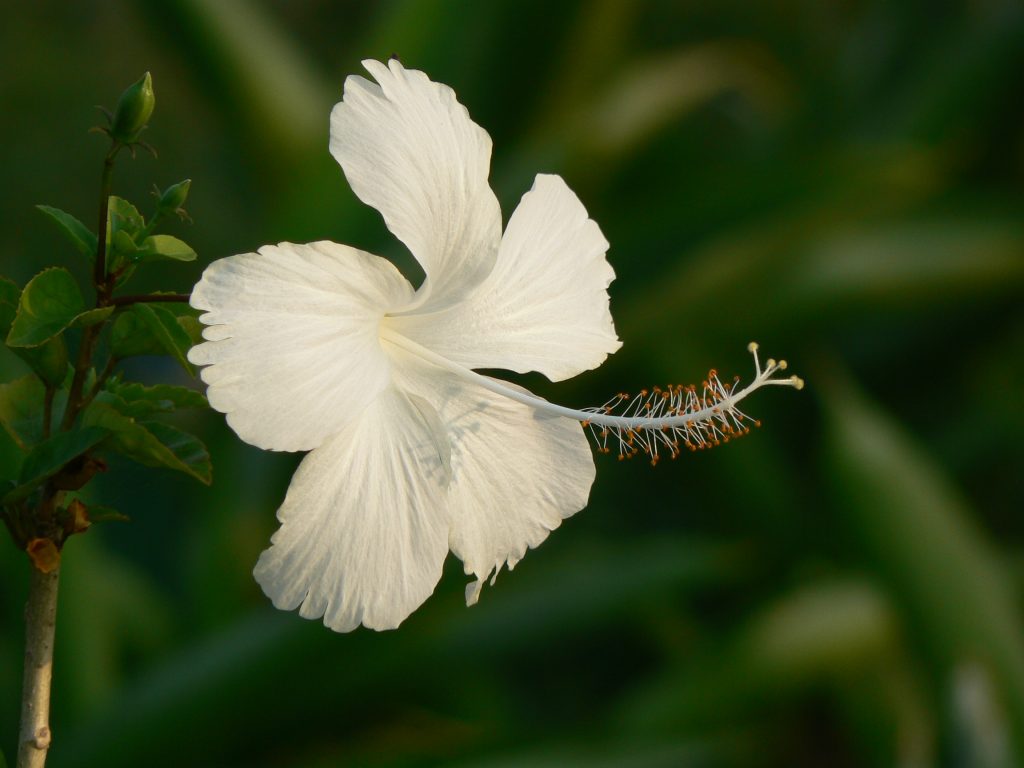
জবা (HIBISCUS ROSA-SINENSIS)
ORIGIN
Hibiscus rosa-sinensis is native to East Asia, particularly China and Malaysia, and is widely cultivated throughout tropical and subtropical regions of the world. It is a popular ornamental plant with cultural and medicinal significance in many Asian countries.
TAXONOMY
Kingdom: Plantae
Division: Angiosperms
Class: Eudicots
Order: Malvales
Family: Malvaceae
Genus:Hibiscus
Species:Hibiscus rosa-sinensis L.
EVOLUTION
Belongs to the Malvaceae family, related to cotton, okra, and other hibiscus species.
Evolved brightly colored flowers to attract pollinators.
Adapted to tropical and subtropical climates, tolerating heat and moderate drought.
DESCRIPTION
Plant type: Evergreen shrub or small tree
Height: 1–5 meters
Stem: Woody, branched
Leaves: Simple, ovate, glossy, serrated margins
Flowers: Large, funnel-shaped, red, pink, yellow, or white; single or double petals
Fruit: Capsule containing several seeds
Blooming season: Year-round in tropical climates
ECOLOGY
Climate: Tropical and subtropical; frost-sensitive
Soil: Well-drained loamy soil, slightly acidic to neutral
Sunlight: Full sun for optimal flowering
Water: Moderate watering; drought-tolerant once established
CULTIVATION
Propagation: Stem cuttings, grafting, or air layering
Planting season: Spring or monsoon
Care: Regular pruning improves flowering; pest and disease management recommended
Harvesting: Flowers harvested for ornamental, culinary, or medicinal use
TRADITIONAL USES
Medicinal
Treats cough, fever, and digestive disorders
Leaves used for anti-inflammatory and wound healing
Flowers used for hair care and skin care
Cultural
Sacred in Hindu rituals
Used in garlands and decorations
Popular ornamental plant in gardens and public spaces
MEDICINAL USES
Flowers: Mild laxative, antioxidant, and diuretic properties
Leaves: Anti-inflammatory, antimicrobial, and antipyretic
Roots: Used traditionally for fever and pain relief
Hair care: Promotes hair growth and prevents dandruff
RESEARCH
Major Bioactive Compounds
Flavonoids (quercetin, hibiscetin)
Anthocyanins
Polyphenols
Triterpenes
Scientific Evidence
Antioxidant and anti-inflammatory activity confirmed in lab studies
Antimicrobial effects against bacteria and fungi
Potential in cardiovascular health (reduces blood pressure)
Hair growth and skin protection properties validated in topical applications
BIOLOGY
Pollination: Insects (bees, butterflies)
Chromosome number: 2n = 36
Life cycle: Perennial shrub
Reproduction: Vegetative propagation or seeds
TOXICITY
Generally safe for human use in medicinal, cosmetic, and dietary applications
Rare allergic reactions may occur on topical application
Excessive ingestion of some extracts may cause mild digestive upset
CONCLUSION
Hibiscus rosa-sinensis is a versatile ornamental and medicinal plant. Its flowers, leaves, and roots are used in traditional medicine, cosmetics, and culinary applications. Modern research supports its antioxidant, anti-inflammatory, antimicrobial, and hair/skin care properties, confirming its value as both an aesthetic and therapeutic plant.