
তুলসী (OCIMUM SANCTUM)

ORIGIN
তুলসী is native to the Indian subcontinent, with natural distribution in:
India
Nepal
Bangladesh
Sri Lanka
Myanmar
Thailand and Southeast Asia
It later spread worldwide for its medicinal, aromatic, and spiritual significance.
TAXONOMY
Kingdom: Plantae
Order: Lamiales
Family: Lamiaceae (Mint family)
Genus: Ocimum
Species: Ocimum sanctum / Ocimum tenuiflorum
It is closely related to culinary basil (Ocimum basilicum) but has far higher medicinal value.
EVOLUTION
তুলসী evolved in tropical and subtropical regions with:
Strong aromatic oils (eugenol, ursolic acid)
Adaptation to warm climates
Natural resistance to pests due to high essential oil content
Tulsi’s spiritual significance also influenced selective cultivation over centuries.
DESCRIPTION
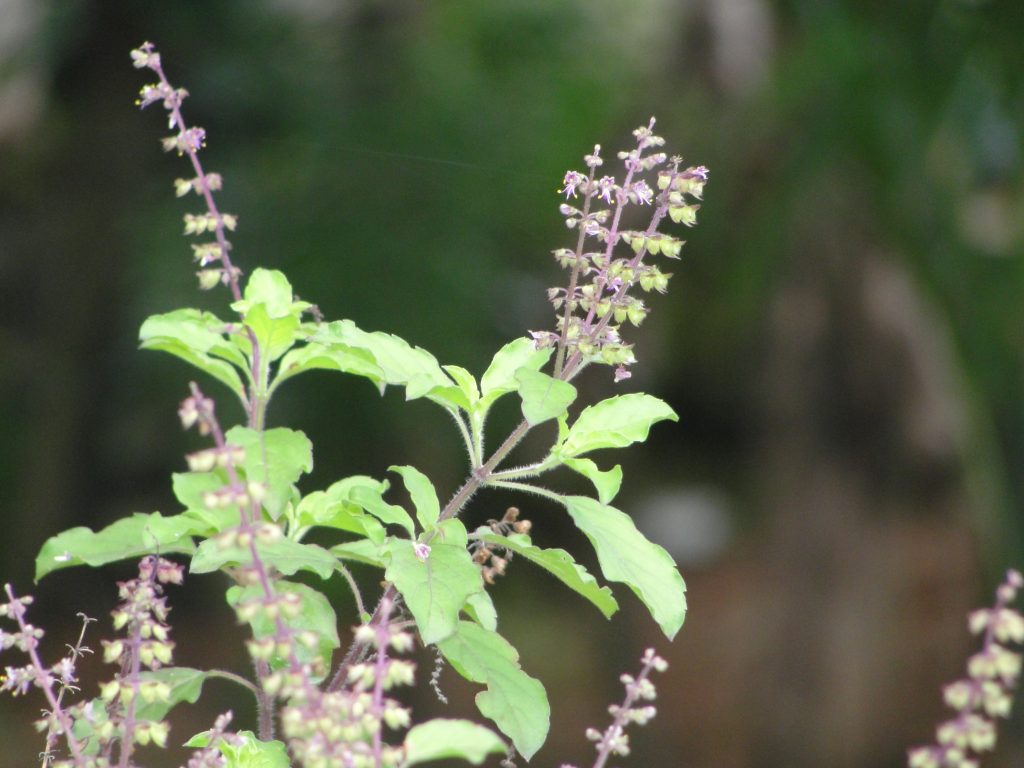
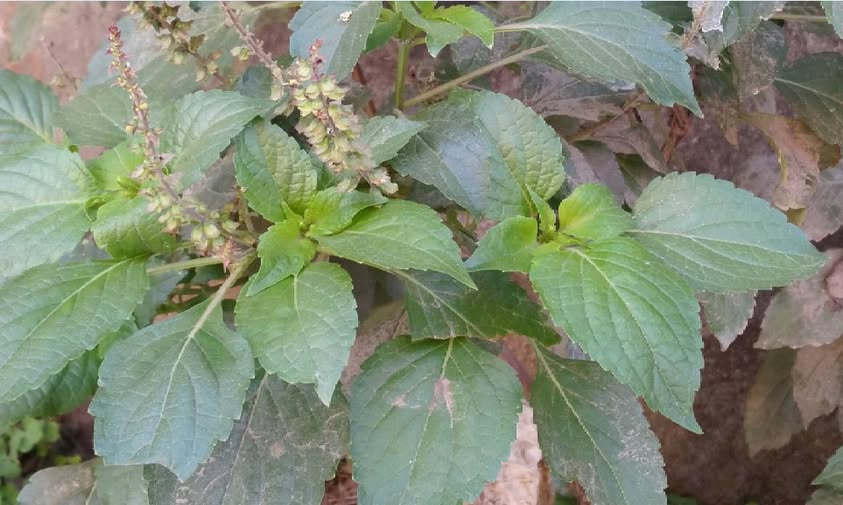
Height: 30–90 cm
Stem: Green or purple, hairy
Leaves: Oval, serrated edges, aromatic
Flowers: Purple or white spikes with a sweet, clove-like fragrance
Aroma: Strong, due to essential oils
Major Tulsi Varieties
Rama Tulsi – green stems, sweeter aroma
Krishna/Shyama Tulsi – purple stems, stronger medicinal effects
Vana Tulsi – wild forest variety, highly aromatic
ECOLOGY
তুলসী thrives in:
Tropical & subtropical climates
Well-drained soil
Areas with ample sunlight
Ecological Importance
Attracts pollinators (bees, butterflies)
Acts as a natural insect repellent
Improves air quality
Highly resilient and tolerates heat and drought
CULTIVATION
Propagation
Grown through seeds or stem cuttings
Growing Conditions
Sunlight: Full sun (6–8 hours daily)
Soil: Loamy, well-drained
Water: Moderate (avoid waterlogging)
Climate: 15–35°C
Harvest: 60–75 days after planting
Regular pruning increases bushiness and leaf yield.
TRADITIONAL USES
Cultural & Spiritual
Sacred plant in Hindu households
Used in rituals and cleansing ceremonies
Believed to purify the environment
Household Uses
Herbal tea
Mosquito repellent
Air freshener
Used in cooking (limited)
MEDICINAL USES
তুলসী is a powerful adaptogen (helps the body resist stress) and has multiple therapeutic benefits.
Key Medicinal Properties
Anti-inflammatory
Antioxidant
Antibacterial
Antiviral
Immunomodulatory
Antipyretic (reduces fever)
Anti-stress and calming
Common Uses
Colds, cough, sore throat
Fever (including malaria-like symptoms)
Asthma and respiratory issues
Stress, anxiety, sleep issues
Digestive problems
Diabetes support
Skin diseases and wound healing
Oral health (mouthwash)
Parts Used
Leaves
Seeds
Roots
Essential oil
RESEARCH
Active Phytochemicals
Eugenol (primary essential oil)
Ursolic acid
Rosmarinic acid
Ocimarin
Apigenin
Linalool
Scientific Findings
Immunity Boost: Enhances T-cells and natural killer cells
Antistress: Reduces cortisol levels
Anti-diabetic: Helps regulate blood sugar
Cardioprotective: Reduces cholesterol and improves heart function
Antimicrobial: Effective against bacteria, viruses, fungi
Anti-cancer potential: Exhibits anti-tumor activity in lab studies
BIOLOGY
Life Cycle
Seed → Seedling → Mature Plant → Flowering → Seed Formation → Regeneration
Physiology
Produces essential oils in glandular trichomes
Aromatic compounds act as natural defense
High photosynthetic efficiency in sunlight-rich environments
TOXICITY
তুলসী is generally safe, but some caution is required.
Possible Side Effects
May lower blood sugar (diabetics monitor closely)
Excessive use might thin the blood
Large doses may cause mild nausea in some individuals
Avoid or use with caution in:
Pregnancy (may stimulate the uterus in high doses)
People on blood-thinning medications
People undergoing surgery
External use is typically safe.
CONCLUSION
তুলসী (Ocimum sanctum) is a sacred and highly valued medicinal plant with powerful adaptogenic, antimicrobial, antioxidant, and immunomodulatory properties. Its cultural importance, medicinal richness, and environmental benefits make it one of the most revered plants in Ayurveda.
The plant’s ability to support respiratory health, immunity, stress relief, and overall well-being has gained it global recognition as a “Holistic Herb for Life.”