
পেয়ারা (PSIDIUM GUAJAVA)

ORIGIN
Psidium guajava originated in Central America and southern Mexico. From there, it spread to South America, the Caribbean, Africa, South Asia, and Southeast Asia through human cultivation. Today, guava is widely grown in tropical and subtropical regions worldwide.
TAXONOMY
Kingdom: Plantae
Clade: Angiosperms → Eudicots
Order: Myrtales
Family: Myrtaceae
Genus: Psidium
Species: Psidium guajava L.
It belongs to the same family as eucalyptus and clove.
EVOLUTION
Psidium guajava evolved as a fast-growing, fruit-bearing tropical tree with adaptations such as high seed production, insect pollination, and tolerance to diverse soils. These traits allowed it to spread rapidly and become naturalized in many parts of the world.
DESCRIPTION
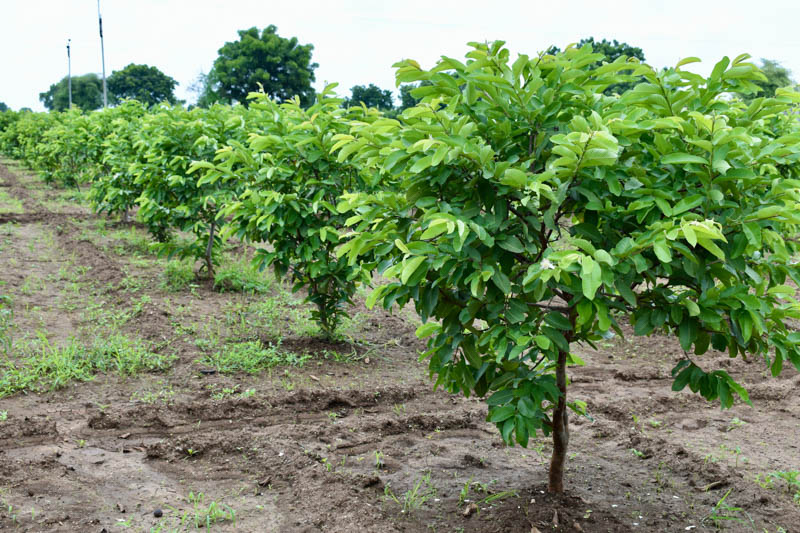
Psidium guajava is a small evergreen tree or shrub, typically 3–10 meters tall.
Bark: Smooth, thin, peeling, light brown
Leaves: Opposite, oval, aromatic, with prominent veins
Flowers: White, solitary, with numerous stamens
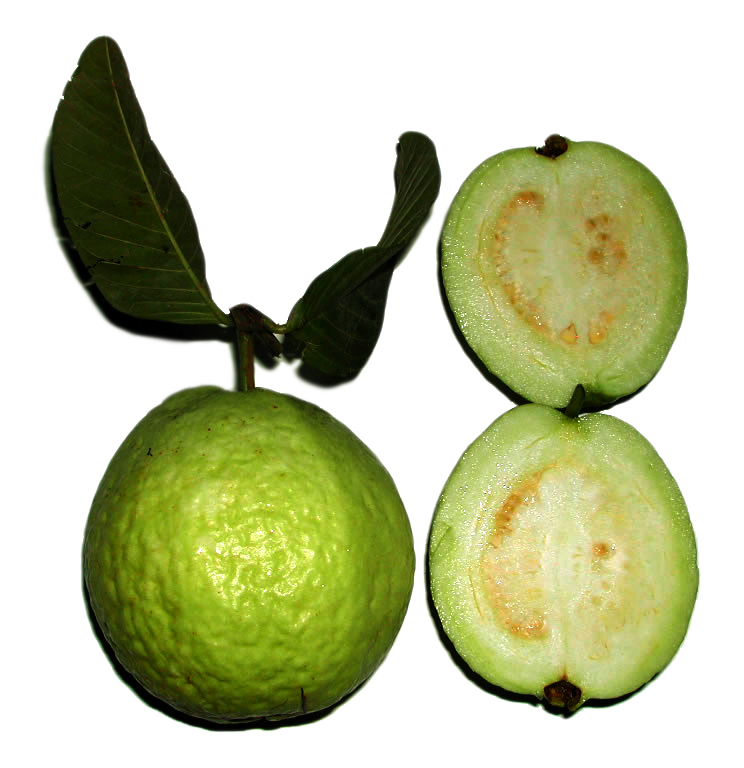
Fruit: Berry with green to yellow skin; flesh white, pink, or red; many small seeds
ECOLOGY
Guava grows in a wide range of habitats:
Thrives in tropical and subtropical climates
Tolerates drought and moderate frost
Pollinated by insects (especially bees)
Fruits dispersed by birds, mammals, and humans
It can become invasive in some ecosystems.
CULTIVATION
Guava is widely cultivated for its nutritious fruit.
Propagation: Seeds, grafting, layering, cuttings
Climate: Warm tropical to subtropical
Soil: Well-drained loamy or sandy soil
Water: Moderate; sensitive to waterlogging
Trees usually begin fruiting within 2–4 years.
TRADITIONAL USES
Traditionally, guava has been used for:
Fresh consumption and processed products (juice, jam, jelly)
Leaf decoctions for diarrhea and stomach disorders
Bark infusions for oral health and wound cleaning
Home remedies across Asia, Africa, and Latin America
MEDICINAL USES
In traditional and modern medicine:
Leaves show antidiarrheal, antimicrobial, and anti-inflammatory effects
Fruit is rich in vitamin C, supporting immunity
Used for diabetes management in folk medicine
Applied for oral ulcers, gum disease, and skin infections
RESEARCH
Scientific research has identified:
Phytochemicals: Flavonoids (quercetin), tannins, phenolics, triterpenes
Pharmacological activities:
Antioxidant
Antimicrobial
Antidiarrheal
Antidiabetic
Antihyperlipidemic
Anticancer (in vitro studies)
Both animal studies and limited human trials support several traditional uses.
BIOLOGY
Life form: Evergreen tree/shrub
Reproduction: Sexual reproduction through seeds
Pollination: Insect-mediated
Growth habit: Fast-growing with continuous flowering in warm climates
TOXICITY
Psidium guajava is generally safe for consumption.
Fruit is non-toxic and nutritious
Excessive intake of leaf extracts may cause constipation
Medicinal use should follow appropriate dosage
No serious toxicity is reported.
CONCLUSION
Psidium guajava (Guava) is a highly valuable fruit plant with exceptional nutritional, medicinal, and economic importance. Its traditional medicinal uses are strongly supported by modern scientific research, particularly for digestive health and antioxidant activity. With proper cultivation and usage, guava remains a key plant for food security and natural medicine worldwide.