University of Science and Technology Chittagong (USTC)
USTC Pharmacy Medicinal Garden
সর্পগন্ধা (RAUWOLFIA SERPENTINA)
ORIGIN
Rauwolfia serpentina is native to South and Southeast Asia, including India, Bangladesh, Nepal, Sri Lanka, and Myanmar. It naturally grows in tropical and subtropical forests, especially in shaded, moist regions.
TAXONOMY
Kingdom: Plantae
Clade: Angiosperms → Eudicots
Order: Gentianales
Family: Apocynaceae
Genus:Rauwolfia
Species:Rauwolfia serpentina (L.) Benth. ex Kurz
EVOLUTION
Rauwolfia serpentina evolved as a shade-loving, slow-growing perennial herb, producing alkaloid-rich roots as chemical defense against herbivores. These alkaloids, particularly reserpine, contributed to its survival and ecological niche in forest understories.
DESCRIPTION
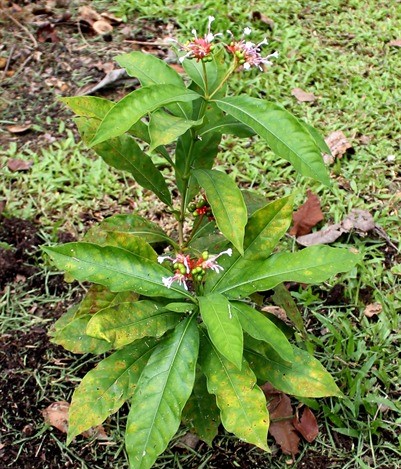
A perennial, woody, aromatic shrub growing 0.5–1.5 meters tall.
Stem: Slender, erect, with a woody base
Leaves: Simple, opposite, elliptic to lanceolate
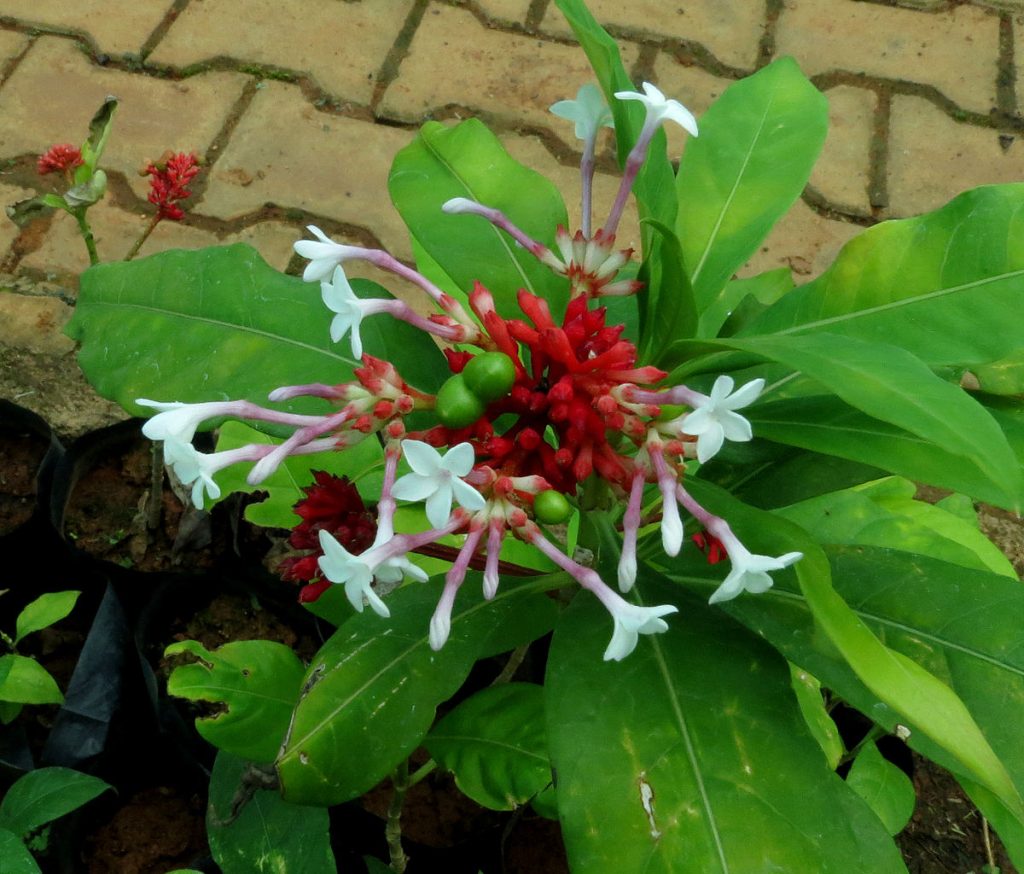
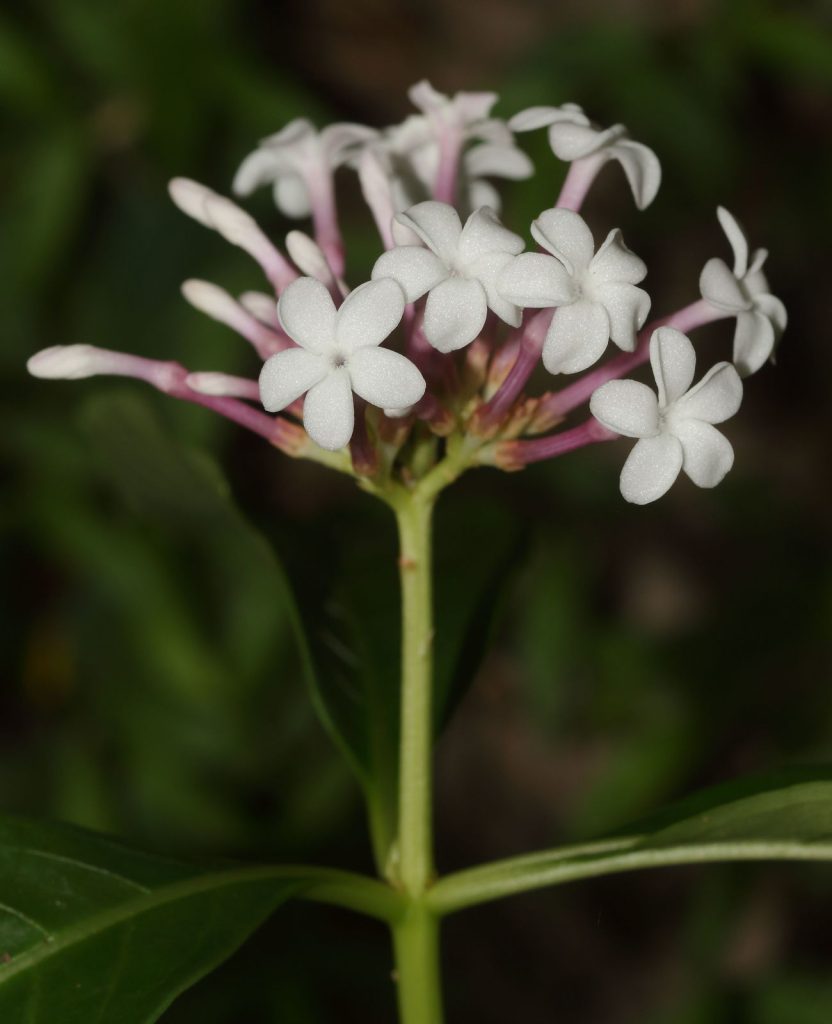
Flowers: Small, white to pink, fragrant, in terminal cymes
Roots: Thick, aromatic, brownish, the main medicinal part
ECOLOGY
Thrives in tropical and subtropical forest understories
Prefers shaded, moist, well-drained soils
Pollinated by insects
Roots and seeds dispersed naturally in local forest environments
Supports local medicinal plant biodiversity
CULTIVATION
Propagation: Seeds or root cuttings
Climate: Warm, humid, partial shade
Soil: Moist, fertile, well-drained loam
Water: Moderate
Widely cultivated for pharmaceutical and herbal medicine production.
TRADITIONAL USES
Used in Ayurveda, Unani, and traditional medicine
Roots used for hypertension, snakebite, insomnia, and mental disorders
Leaves sometimes used for wound healing
Also valued for spiritual and ritualistic purposes
MEDICINAL USES
Traditional and modern uses include:
Hypertension: Reduces high blood pressure (reserpine)
Mental disorders: Treats anxiety, insomnia, and schizophrenia
Snakebite and nervous disorders
Digestive and febrile conditions
RESEARCH
Scientific studies report:
Phytochemicals: Alkaloids including reserpine, ajmaline, serpentine
Pharmacological activities:
Antihypertensive
Sedative and tranquilizing
Antiarrhythmic
Antipsychotic
Anti-inflammatory
Extensive research supports its role in modern pharmacology.
BIOLOGY
Life form: Perennial woody shrub
Reproduction: Sexual via seeds
Flowering: Summer to monsoon season
Growth rate: Slow to moderate
TOXICITY
Overdose can cause hypotension, bradycardia, gastrointestinal disturbances, and depression
Should be used under medical supervision
Roots contain potent alkaloids; improper use may be dangerous
CONCLUSION
Rauwolfia serpentina (Sarpagandha) is a highly valuable medicinal plant with both traditional and modern therapeutic applications, particularly in cardiovascular and psychiatric disorders. Sustainable cultivation and regulated use are essential due to its potent bioactive alkaloids.