University of Science and Technology Chittagong (USTC)
USTC Pharmacy Medicinal Garden
গোলাপ (ROSA DAMASCENA)
ORIGIN
Rosa damascena (Damask Rose) is believed to have originated in Western Asia, particularly in Syria, Iran, and Turkey. It was later introduced to India, Europe, and other parts of Asia. The rose has been cultivated for over a thousand years for its fragrance, ornamental value, and medicinal uses.
TAXONOMY
Kingdom: Plantae
Division: Angiosperms
Class: Eudicots
Order: Rosales
Family: Rosaceae
Genus:Rosa
Species:Rosa damascena Mill.
EVOLUTION
Belongs to the Rosaceae family, closely related to other rose species and fruit plants like apples and pears.
Evolved highly fragrant flowers to attract pollinators.
Adapted to temperate climates with dry summers and cold winters.
DESCRIPTION
Plant type: Deciduous shrub
Height: 1–2 meters
Stem: Woody, thorny
Leaves: Pinnate, dark green, serrated margins
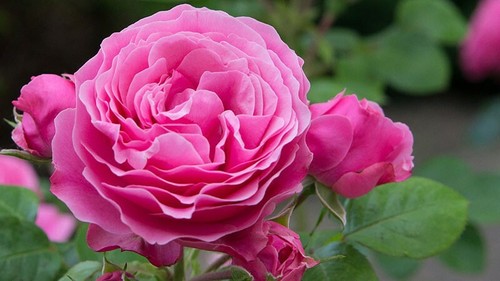
Flowers: Pink to deep pink, fragrant, multi-petaled
Fruit: Small, red to orange rosehip
Blooming season: Spring to early summer
ECOLOGY
Climate: Temperate; can tolerate mild frost
Soil: Well-drained loamy soil rich in organic matter
Sunlight: Full sun for best flowering
Water: Requires moderate watering
CULTIVATION
Propagation: Grafting, budding, or stem cuttings
Planting season: Late winter to early spring
Harvesting: Flower petals are harvested in early morning during full bloom for essential oil production
Care: Pruning and pest management improve flowering and oil quality
TRADITIONAL USES
Medicinal
Treats digestive disorders, fever, and menstrual irregularities
Anti-inflammatory and mild sedative properties
Used in traditional Persian, Unani, and Ayurvedic medicine
Cultural
Sacred in many religions; used in rituals and festivals
Widely used in perfumery and cosmetics
MEDICINAL USES
Flowers & petals:
Digestive tonic
Mild laxative
Antidepressant and calming effect
Rosehip (fruit):
Rich in Vitamin C
Boosts immunity
Antioxidant properties
RESEARCH
Major Bioactive Compounds
Geraniol
Citronellol
Nerol
Flavonoids and tannins
Scientific Evidence
Antioxidant and anti-inflammatory properties
Antimicrobial activity against bacteria and fungi
Anti-anxiety and mild antidepressant effects
Skin-protective and cosmetic applications
BIOLOGY
Pollination: Insects, primarily bees
Chromosome number: 2n = 28
Life cycle: Perennial shrub
Reproduction: Vegetative propagation or seeds
TOXICITY
Generally safe for human use in dietary, cosmetic, or medicinal applications
Rare allergic reactions may occur
Rosehip supplements should be used with caution in people with kidney stones or iron-overload disorders
CONCLUSION
Rosa damascena is a highly valued aromatic and medicinal plant. Its flowers and rosehips provide therapeutic benefits, ornamental beauty, and economic value through essential oils, perfumes, and herbal preparations. Modern research supports its antioxidant, antimicrobial, and mood-enhancing properties, confirming its long-standing traditional uses.