
বহেরা (Terminalia bellirica)
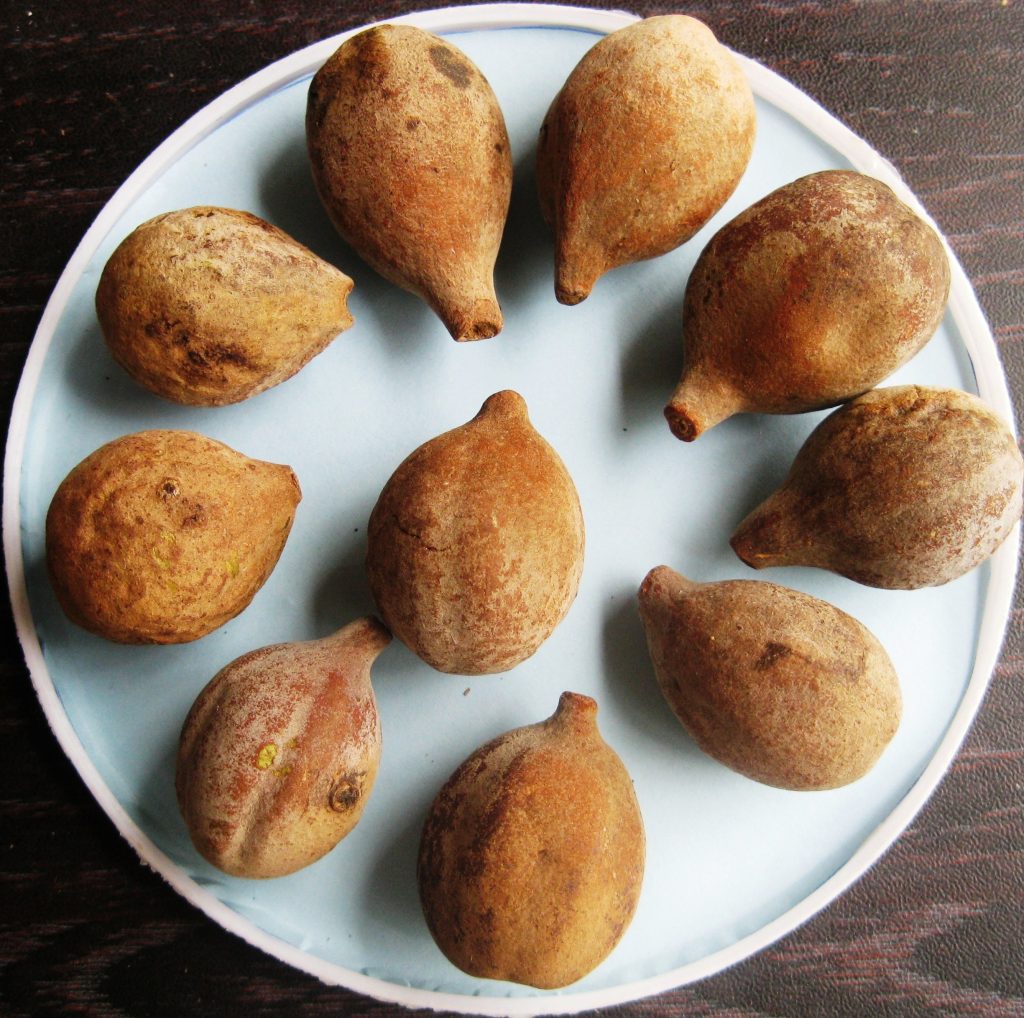


ORIGIN
বহেরা Terminalia bellirica, commonly known as Bahir, Beleric, or Bahera, is a species of tree native to South Asia, particularly found in India, Sri Lanka, Bangladesh, and parts of Southeast Asia. It thrives in dry forests and hilly terrains.
TAXONOMY
Kingdom: Plantae
Division: Angiosperms
Class: Dicotyledons
Order: Myrtales
Family: Combretaceae
Genus: Terminalia
Species: T. bellirica
The genus Terminalia is large, with around 200 species distributed in tropical and subtropical regions.
EVOLUTION
The Terminalia genus is believed to have evolved in tropical regions of Africa and Asia, adapting to a variety of ecological zones. Terminalia species, including T. bellirica, have evolved to thrive in various environmental conditions, from tropical rainforests to arid, mountainous areas.
The genus is known for its ecological importance, with species evolving as keystone species in several ecosystems, providing food and shelter for many forms of wildlife.
DESCRIPTION
Size: Terminalia bellirica is a medium-sized tree that can grow up to 30 meters (98 feet) in height.
Bark: The bark is smooth, greyish, and often peeling.
Leaves: The leaves are elliptical to ovate, with a glossy green surface and a distinctive venation pattern.
Flowers: Small, yellowish-white flowers grow in clusters and are somewhat aromatic.
Fruit: The fruit is a drupe (a fleshy fruit with a single seed), which is yellow-brown when mature. It has a characteristic wrinkled surface.
ECOLOGY
Habitat: T. bellirica is typically found in tropical and subtropical forests, growing in well-drained soils. It can be found at altitudes up to 1,200 meters (3,900 feet).
Ecological Importance: The tree plays an essential role in maintaining biodiversity and soil health. Its large, deep roots help in stabilizing soil, preventing erosion in hilly regions. The tree is also a source of food for several species of wildlife.
Pollination: Pollinated by insects, primarily bees.
CULTIVATION
Timber: The wood of T. bellirica is heavy and durable, often used in the construction of furniture, boats, and other structural items.
Fruit: The fruit is collected for various purposes, both medicinal and culinary. It is used in the preparation of traditional Ayurvedic and Siddha medicines.
Leaf: The leaves are used for making various traditional products, like baskets, mats, and in some cases, as a natural roofing material.
Tannin Source: The bark is rich in tannins and is used in leather tanning.
TRADITIONAL USES
Timber: The wood of T. bellirica is heavy and durable, often used in the construction of furniture, boats, and other structural items.
Fruit: The fruit is collected for various purposes, both medicinal and culinary. It is used in the preparation of traditional Ayurvedic and Siddha medicines.
Leaf: The leaves are used for making various traditional products, like baskets, mats, and in some cases, as a natural roofing material.
Tannin Source: The bark is rich in tannins and is used in leather tanning.
MEDICINAL USES
T. bellirica is one of the three components of the well-known Ayurvedic formulation Triphala, which is a traditional remedy for digestion and detoxification. The primary medicinal uses include:
Digestive Health: The fruit is commonly used to treat constipation, indigestion, and improve overall gut health.
Antioxidant Properties: Rich in bioactive compounds, it is believed to have antioxidant properties, helping to fight oxidative stress.
Liver Health: Used as a liver tonic and for detoxification.
Anti-inflammatory: The bark and fruit are traditionally used for reducing inflammation and treating joint pain.
Respiratory Issues: The fruit is used to treat respiratory problems such as asthma, bronchitis, and coughs.
Antibacterial: The tree has antibacterial and antifungal properties, often used in traditional medicine to treat infections.
RESEARCH
Recent research on Terminalia bellirica has focused on its antioxidant, anti-inflammatory, antimicrobial, and anticancer properties. Some studies suggest that the fruit extracts of T. bellirica may have potential in treating chronic conditions such as diabetes, hypertension, and hyperlipidemia. Further research is needed to validate these claims and to identify the specific active compounds responsible for these effects.
Antioxidant: Studies have shown that T. bellirica has potent antioxidant activity, which helps in neutralizing free radicals in the body.
Anti-cancer: Preliminary studies indicate that the plant may possess anti-cancer properties, particularly in targeting cancer cells in the colon, liver, and breast.
Anti-diabetic: There is growing interest in the potential of T. bellirica for managing diabetes due to its ability to regulate blood sugar levels.
BIOLOGY
Growth Form: A large, deciduous tree that sheds its leaves in the dry season and re-leafs when the monsoon rains arrive.
Reproductive Biology: T. bellirica reproduces through both sexual (seeds) and asexual (cuttings) methods. The flowers are small, greenish-yellow, and are pollinated by bees and other insects.
Fruit Biology: The fruit is a drupe, which matures from green to yellowish-brown. The fruit contains a large seed, and the pulp is highly valued for medicinal purposes.
TOXICITY
Toxicity: There are no significant reports of toxicity associated with T. bellirica, but it is important to use it under proper medical supervision, especially in concentrated forms. Overuse of the fruit or bark could lead to gastrointestinal disturbances like diarrhea or nausea.
Precautions: Pregnant women should consult with a healthcare provider before using T. bellirica in any form, as its effect on pregnancy is not fully understood.
CONCLUSION
Terminalia bellirica is an important tree with significant ecological, medicinal, and traditional value. Its use in Ayurvedic medicine dates back centuries, and modern research is validating many of these uses. It is highly beneficial for digestive health, liver detoxification, and managing inflammation, with potential applications in treating various chronic conditions. As a hardy, drought-tolerant species, T. bellirica can be cultivated in various soil types and climates, making it a versatile plant for both ecological restoration and agriculture.
While it has many benefits, it should be used with caution and under supervision, especially when used for medicinal purposes.