
হরীতকী (TERMINALIA CHEBULA)
ORIGIN
হরীতকী is native to South Asia and Southeast Asia, especially:
India
Nepal
Bangladesh
Sri Lanka
Myanmar
Thailand
Ancient Ayurvedic, Tibetan, and Buddhist texts describe Haritaki as the “King of Medicines”.
TAXONOMY
Kingdom: Plantae
Order: Myrtales
Family: Combretaceae
Genus: Terminalia
Species: Terminalia chebula Retz.
It is closely related to Terminalia bellirica and Terminalia arjuna, which form the classic Ayurvedic trio known as Triphala.
EVOLUTION
The genus Terminalia evolved across the tropical belts of Africa and Asia.
Haritaki adapted especially well to dry forests, hilly terrains, and subtropical climates.
High levels of tannins and phenolic compounds likely evolved as a natural defense against herbivores, pathogens, and environmental stress.
DESCRIPTION
Tree Characteristics
Height: 15–30 meters
Bark: Dark brown, somewhat rough
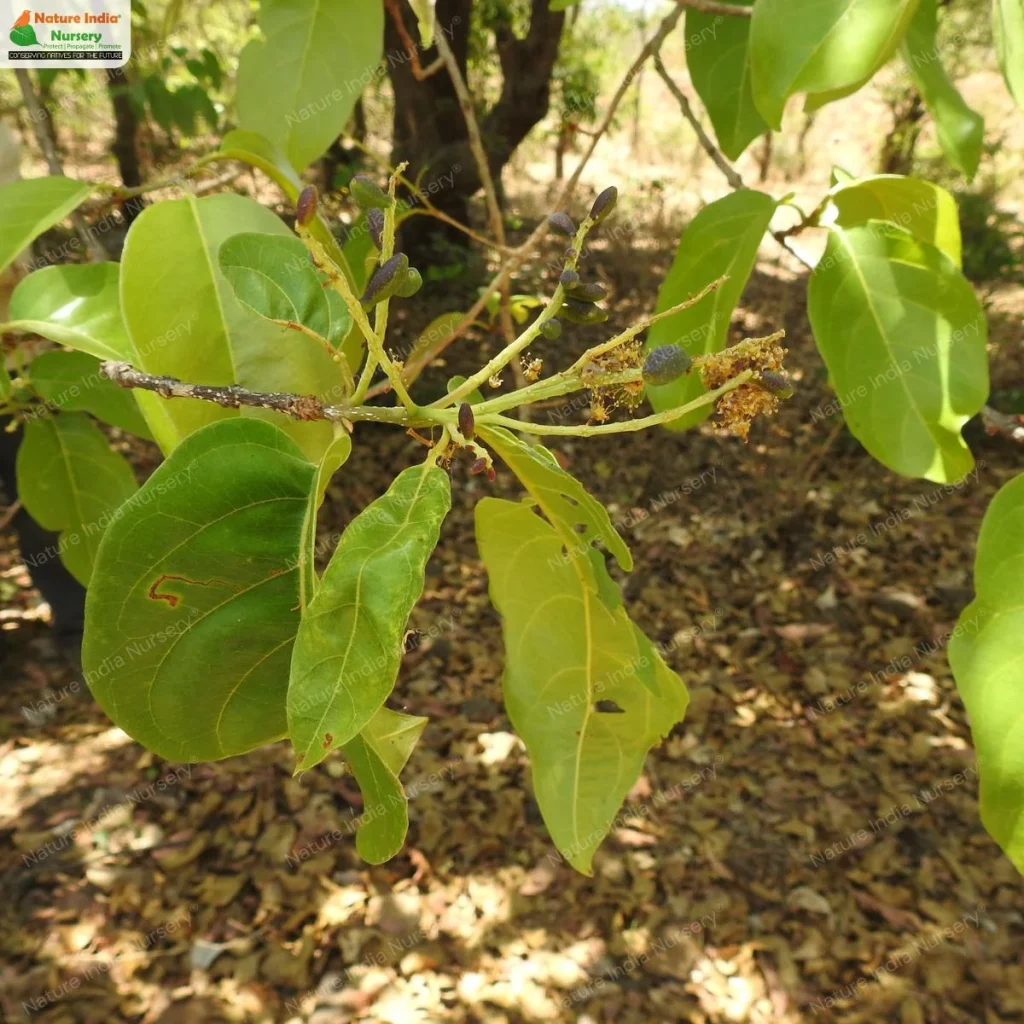
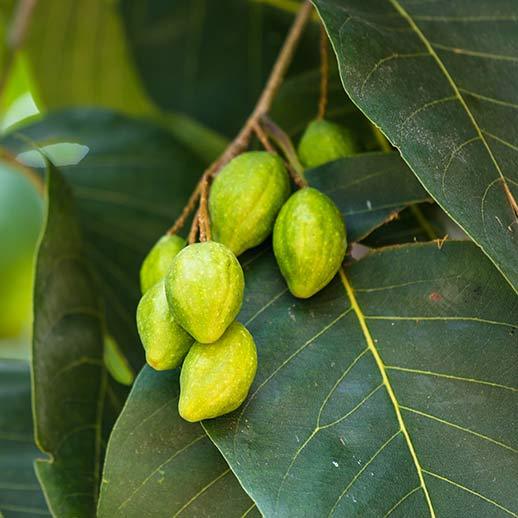
Leaves: Oval, shiny green
Flowers: Small, pale yellow or white, in clusters
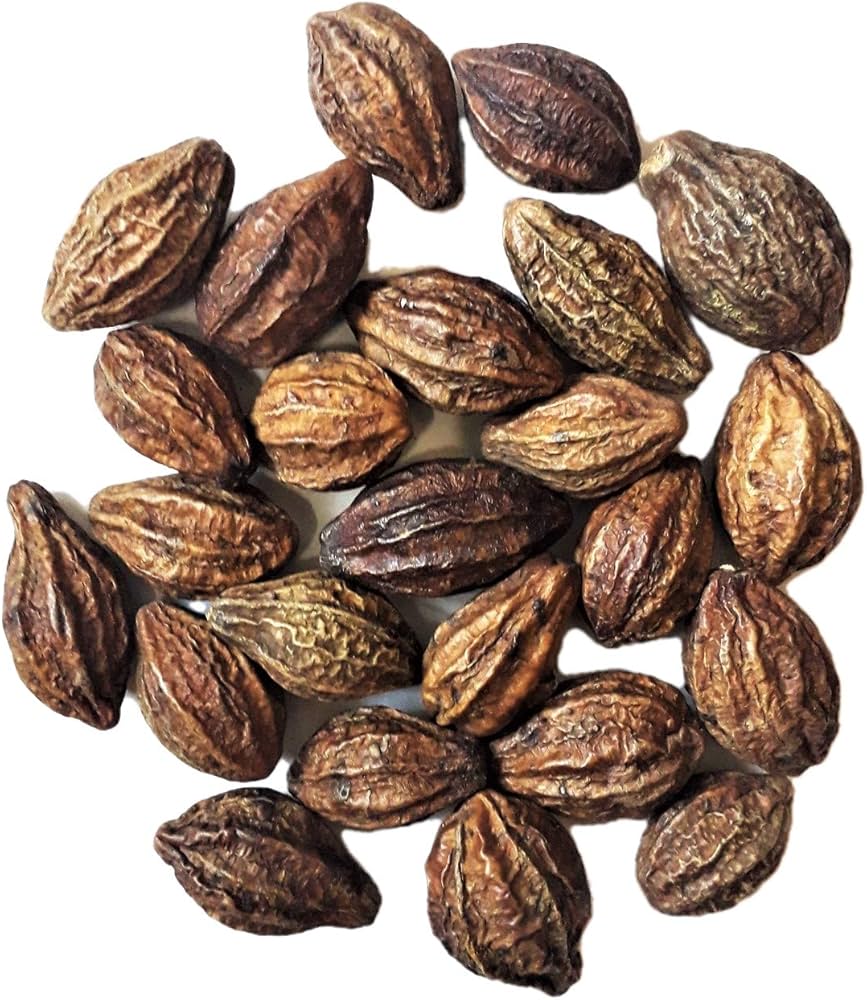
Fruit: Hard, oval drupe, 2–4 cm long; turns yellow or brown when mature
The dried fruit is the primary medicinal part.
ECOLOGY
Habitat: Dry deciduous forests, riverbanks, hills
Soil: Sandy loam, loam, or light clay
Pollinators: Mainly bees and insects
Ecological role:
Prevents soil erosion
Supports bird species
Enhances soil microbial diversity
CULTIVATION
Propagation
Commonly propagated through seeds.
Seeds germinate better after soaking for 24 hours.
Growing Conditions
Sunlight: Full sun
Temperature: 20–35°C
Water: Moderate; does not tolerate waterlogging
Harvesting: Fruits are collected during winter (dry season)
হরীতকী grows slowly but is long-lived and resilient.
TRADITIONAL USES
হরীতকী is one of the most revered medicinal plants in Ayurveda.
Traditional applications
Ayurveda: Key ingredient of Triphala
Siddha & Tibetan Medicine: Used for rejuvenation
Folk medicine: Mouth health, eye washes, wound cleaning
Tanning & Dyeing: Fruits are rich in tannins used in leather and textile industries
MEDICINAL USES
Major therapeutic benefits
Improves digestion
Acts as a mild laxative and astringent
Protects liver (hepatoprotective)
Strong antioxidant
Anti-inflammatory
Antibacterial and antifungal
Common uses
Constipation, gas, acidity
Weight management
Diabetes support
Cough, asthma
Eye cleansing (Haritaki water)
Enhancing immunity and longevity
RESEARCH
Bioactive compounds
Chebulagic acid
Chebulinic acid
Gallic acid
Ellagic acid
Flavonoids
Tannins (30–40%)
Scientifically studied effects
Antioxidant: Extremely strong free-radical scavenging ability
Antidiabetic: Helps regulate blood glucose
Anticancer: In-vitro activity against colon, liver, and lung cancer cells
Antiviral: Shows activity against several viruses
Gut microbiome: Promotes beneficial gut bacteria
BIOLOGY
Life cycle
Seed → Seedling → Mature Tree → Flowering → Fruit → Seed dispersal
Chemical biology
High tannin and polyphenol content contribute to Haritaki’s medicinal potency and antimicrobial resistance.
TOXICITY
হরীতকী is generally safe, but:
Overuse may cause diarrhea
Can lower blood pressure in some individuals
May potentiate diabetes medications → monitor blood sugar
Pregnant or breastfeeding women should consult a physician
Should be taken carefully with strong laxatives or diuretics
CONCLUSION
হরীতকী (Terminalia chebula) is one of the most important medicinal plants in Asia, valued for its digestive, detoxifying, antimicrobial, and rejuvenating qualities. It supports longevity, immunity, and overall wellness. Modern research continues to validate its traditional uses, especially its strong antioxidant and metabolic benefits.
Its adaptability, rich phytochemistry, and wide therapeutic spectrum make Haritaki a cornerstone herb in herbal medicine worldwide.